Fri, October 23, 2026

Washington — The Pentagon is preparing to deploy thousands of troops from the 82nd Airborne Division to the Middle East, signalling a possible escalation in tensions with Iran even as Washington continues to explore diplomatic options.
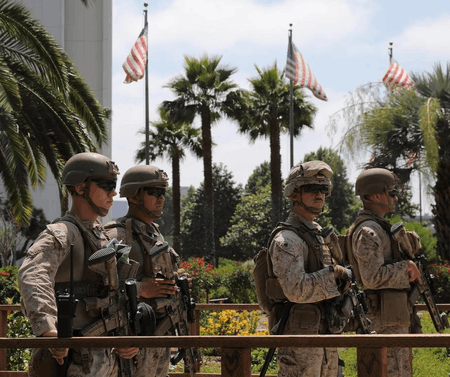
Media reports indicate that around 3,000 soldiers from the elite division could be sent to the region, adding to thousands of Marines already on their way. However, officials clarified that no decision has been made regarding US troops entering Iran. Still, the growing military presence suggests the possibility of deeper American involvement in the conflict.
The 82nd Airborne Division is considered one of the US military’s premier rapid-response units, capable of deploying worldwide within hours. Its Immediate Response Force can move within about 18 hours, providing flexible options to the White House during crises.
The troop movement comes as the conflict enters its fourth week. So far, the United States has relied mainly on air operations using fighter jets, bombers and drones. According to United States Central Command, more than 9,000 targets inside Iran — including missile launchers, naval assets and defence facilities — have been struck since late February.
Fighting in the region continues, with Iran launching drone and ballistic missile attacks on Israel and other locations, even as Washington signals willingness for negotiations.
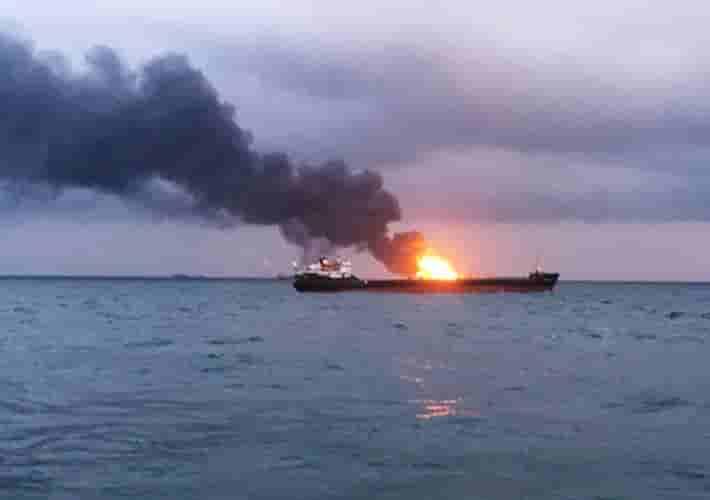
The Strait of Hormuz remains a key flashpoint. Disruptions in this vital shipping lane — through which roughly one-fifth of global oil supply passes — have pushed up energy prices worldwide.
The US already has about 50,000 troops stationed across the Middle East. Additional deployments suggest planners are considering broader military roles, including securing shipping lanes and protecting key infrastructure. Reports also indicate paratroopers could be positioned within striking distance of Iran, while Marines might support operations near strategic oil routes.
Meanwhile, Donald Trump said negotiations with Iran are underway, claiming Tehran may be open to a deal. Iran, however, has denied any direct talks, calling such reports “fake news.”
The current conflict began on February 28 following US and Israeli strikes on Iranian military targets and has since widened into a regional confrontation involving missile exchanges, drone attacks and threats to global energy supplies. Any prolonged disruption in the Strait of Hormuz could have major implications for global oil markets, including countries like India that depend heavily on energy imports.
With inputs from IANS



© Copyright
Reporter Post.All Rights Reserved |
Powered by: Aptilogic Software |
 |
Page rendered in 0.1378 seconds.
|
Page rendered in 0.1378 seconds.