Fri, October 23, 2026


The situation in Afghanistan has taken a severe turn, with reports of a devastating airstrike allegedly carried out by Pakistan killing around 400 people, marking one of the deadliest incidents in recent years.
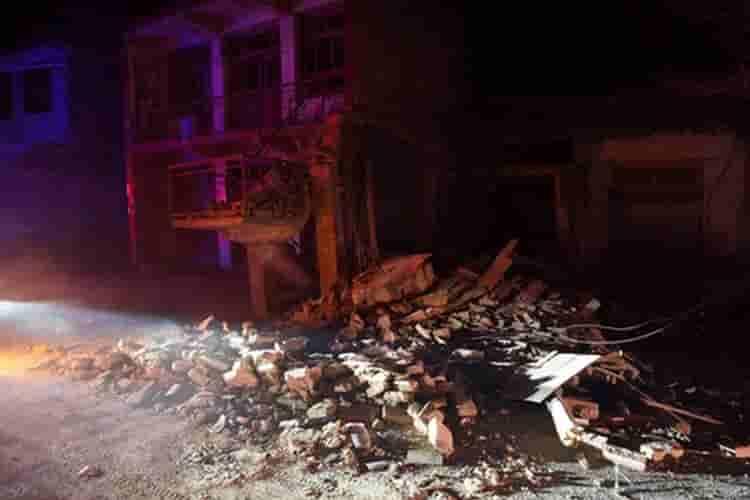
According to officials in Kabul, the escalation signals a dangerous intensification of conflict between Pakistan and the Taliban, with repeated clashes occurring along border regions since February. The latest strike reportedly hit a large hospital, causing massive destruction and significant civilian casualties, including patients undergoing treatment at the time.
Afghan authorities stated that nearly 2,000 people were present in the hospital when the attack occurred, with at least 250 others injured. Rescue operations are still underway, and the death toll is feared to rise further.
This incident is being described as the deadliest attack in Afghanistan since the Kabul airport bombing 2021, which killed 169 Afghan civilians and 13 US service members during the withdrawal of American troops.
Officials have accused Pakistan of increasingly relying on air power, as it struggles to maintain ground operations against Taliban forces. Some also allege that Islamabad is attempting to pressure the Taliban leadership and potentially influence regime change in Kabul.
However, Pakistan has strongly denied these allegations. Representatives of Government of Pakistan stated that no hospital was targeted and insisted that the strikes were aimed solely at militant infrastructure and terrorist support facilities.
Despite these claims, reports indicate that civilian casualties have been mounting, with at least 475 deaths and over 115,000 people displaced since the conflict escalated in late February.
Observers warn that the consequences of this strike could be far-reaching. The violence appears to be hardening public sentiment within Afghanistan, with many civilians reportedly rallying behind the Taliban despite earlier divisions.
Analysts also point out that the lack of strong international intervention—partly due to global focus on other geopolitical tensions—may be contributing to the worsening humanitarian crisis in the region.
With inputs from IANS



© Copyright
Reporter Post.All Rights Reserved |
Powered by: Aptilogic Software |
 |
Page rendered in 0.0091 seconds.
|
Page rendered in 0.0091 seconds.