Mon, October 12, 2026


New Delhi: As the military confrontation involving the United States, Israel and Iran enters its third week, Tehran has outlined three key conditions for ending the conflict — recognition of its rights, payment of reparations, and firm guarantees against future attacks.
Iranian President Masoud Pezeshkian said the country remains open to peace but stressed that hostilities would end only if these demands are accepted by Washington and Tel Aviv.
In a statement shared on social media after holding discussions with leaders of Russia and Pakistan, Pezeshkian said Iran’s stance on ending the war was clear.
“The only way to end this war — ignited by the Zionist regime and the US — is recognising Iran’s legitimate rights, payment of reparations, and firm international guarantees against future aggression,” he said.
Tehran has repeatedly maintained that the conflict began following attacks by the United States and Israel, insisting that it will not accept a ceasefire without concrete assurances regarding its security and sovereignty.
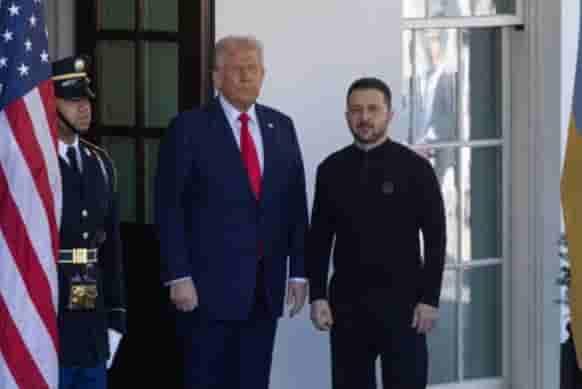
However, there are few signs that the conflict may end soon. US President Donald Trump indicated that American military operations would continue.
Speaking at a campaign-style rally in Kentucky ahead of the upcoming midterm elections, Trump said the US had gained the upper hand but signalled that the campaign was still underway.
“We don’t want to leave early, do we? We got to finish the job,” Trump said.
Earlier, the US President had also suggested that the conflict could end quickly, claiming that only a few targets remained for American forces to strike.
“Any time I want it to end, it will end,” he said, adding that there was “practically nothing left” for the US military to bomb.
Meanwhile, the US military has warned Iranian civilians to avoid ports hosting naval facilities, citing the risk of further strikes. Israel has also indicated it still has a long list of potential targets inside Iran, including locations linked to ballistic missile capabilities and nuclear-related infrastructure.
The fighting has already caused significant casualties and disruption across the region. According to estimates, nearly 2,000 people have been killed, most of them in Iran and Lebanon, where the conflict has also spread.
The war has also taken a heavy toll on children. According to the UNICEF, more than 1,100 children have been killed or injured since the hostilities began.
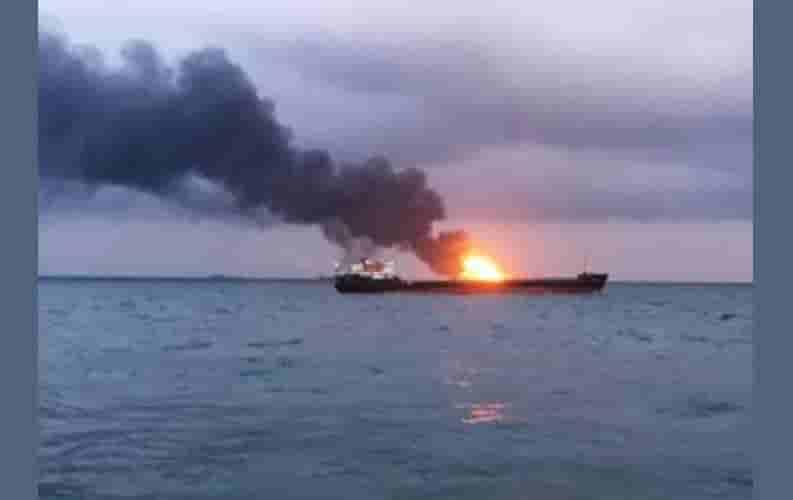
The escalation has also rattled global energy markets, especially due to concerns over supply disruptions near the Strait of Hormuz, a key global oil transit route through which roughly one-fifth of the world’s oil supply passes.
Oil prices briefly surged to nearly $120 per barrel earlier this week before easing to around $90, though renewed tensions pushed prices higher again on Wednesday.
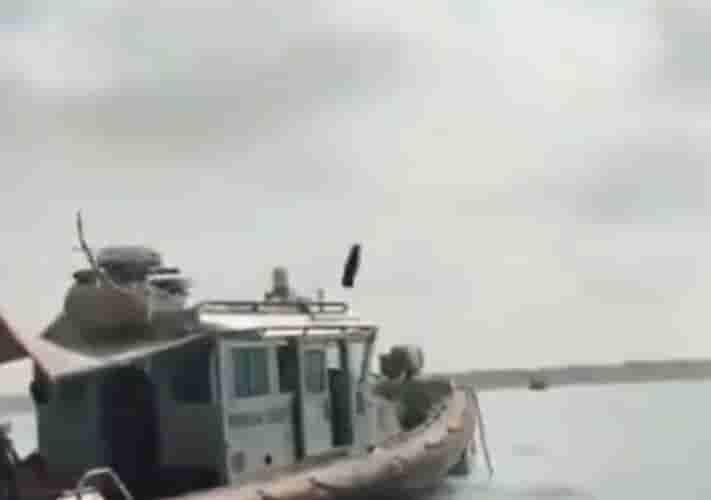
Iran has warned that the crisis could escalate further, cautioning that oil prices could potentially reach $200 per barrel. Tehran has also claimed that shipping through the Strait of Hormuz has become nearly impossible, saying it has asserted control over the strategic waterway and has targeted vessels approaching the strait.
With inuts from IANS



© Copyright
Reporter Post.All Rights Reserved |
Powered by: Aptilogic Software |
 |
Page rendered in 0.0135 seconds.
|
Page rendered in 0.0135 seconds.