Thu, October 22, 2026


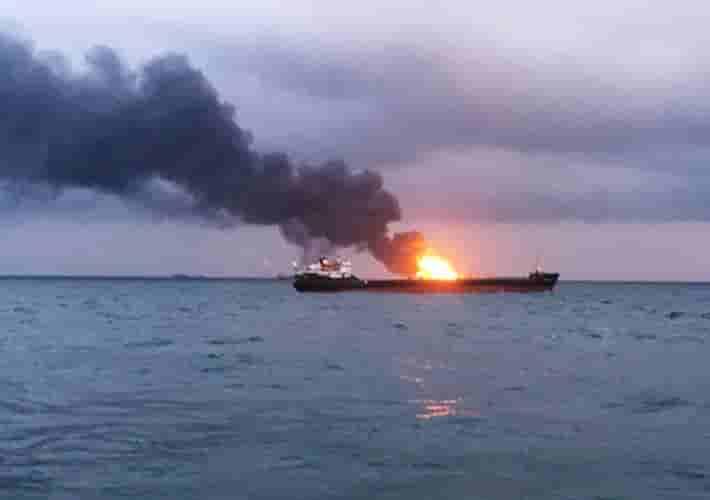
Washington: The United States has issued a strong warning to Iran against any attempt to block or disrupt oil shipments through the strategically vital Strait of Hormuz, with US Defence Secretary Pete Hegseth saying Washington would respond with overwhelming force if such a move were made.
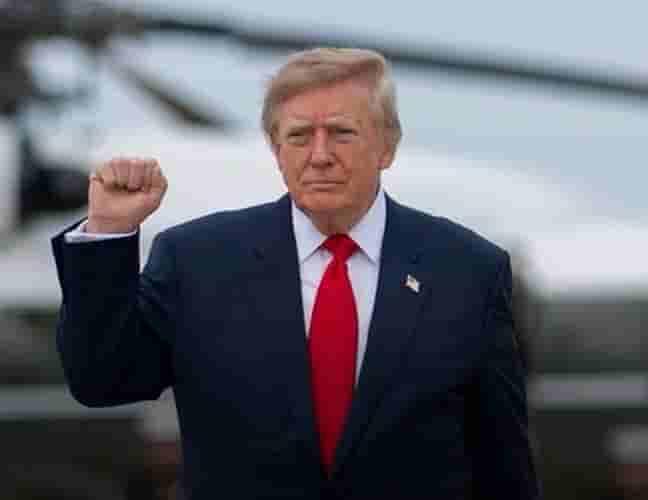
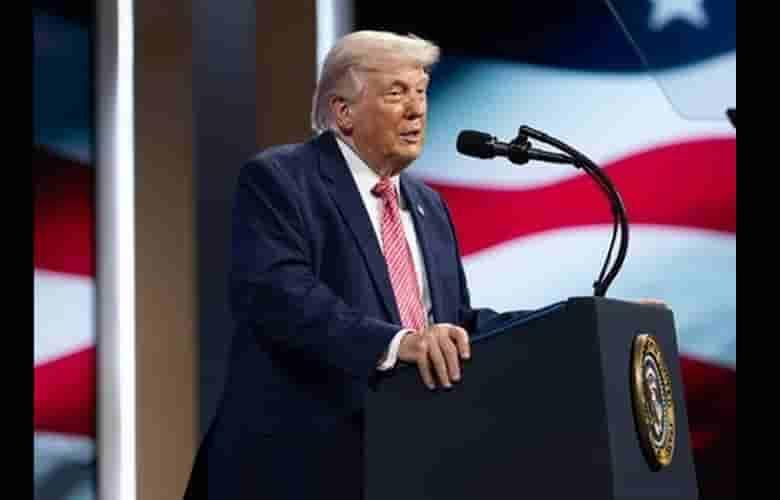
Speaking alongside Dan Caine, Chairman of the Joint Chiefs of Staff, Hegseth said President Donald Trump had made it clear that any attempt by Iran to halt oil traffic through the key waterway would trigger a powerful US response.
He referred to a recent statement by Trump warning that if Iran interferes with the flow of oil in the Strait of Hormuz, the United States would strike back far more forcefully than it has so far. Hegseth added that Iran would face devastating consequences if it tried to choke off the vital maritime route.
The remarks came during a briefing on the ongoing US military campaign, Operation Epic Fury, which officials said remains focused on weakening Iran’s missile systems, naval capabilities and military-industrial infrastructure.
The Strait of Hormuz, located between Iran and Oman, is one of the world’s most important energy corridors, carrying a large portion of global oil and gas shipments from the Gulf to international markets.
Caine said the US military is also assessing possible options if it is required to escort commercial vessels through the strait. Such decisions, he noted, would involve evaluating the resources needed, command structures and potential risks before presenting options to the Defence Secretary and the President.
Hegseth also accused Iran of escalating tensions in the region by targeting neighbouring countries and acting recklessly in the early stages of the conflict.
However, he rejected suggestions that the conflict was expanding beyond control, saying the military campaign remained limited and focused on specific objectives.
According to Caine, US forces have struck more than 5,000 targets since the operation began. He added that Iranian ballistic missile attacks have dropped sharply — about 90 per cent from their initial levels — while the use of one-way attack drones has decreased by roughly 83 per cent.
Hegseth emphasised that the US administration intends to keep the mission limited and avoid a prolonged conflict. He said the campaign is aimed at achieving clearly defined military goals rather than turning into an open-ended war.
The Strait of Hormuz connects the Persian Gulf to the Arabian Sea and remains one of the world’s most sensitive maritime chokepoints. Any disruption in this route is closely monitored by global energy markets and major oil-importing countries, including India.
With inputs from IANS



© Copyright
Reporter Post.All Rights Reserved |
Powered by: Aptilogic Software |
 |
Page rendered in 0.0139 seconds.
|
Page rendered in 0.0139 seconds.