Fri, October 23, 2026


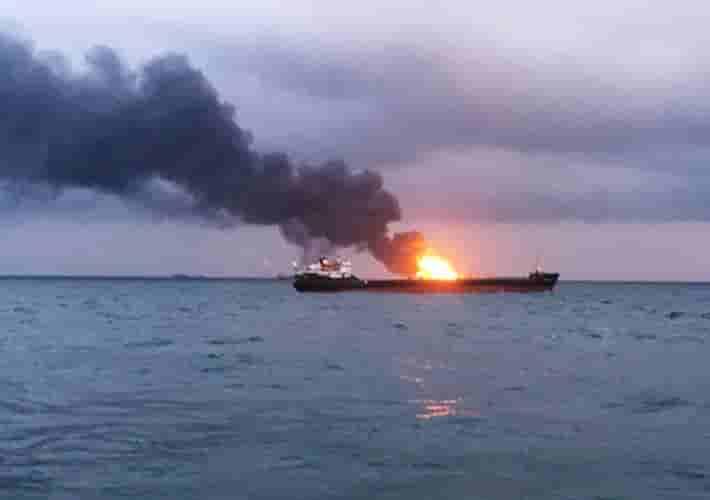
Washington — The United States has pledged to safeguard the strategic Strait of Hormuz and ensure the uninterrupted flow of global energy supplies as tensions with Iran intensify, warning that Tehran may be underestimating American military resolve.
In an interview with CBS’s 60 Minutes, US Secretary of War Pete Hegseth said American forces had already weakened Iran’s naval capabilities and were ready to take further action to protect key shipping routes.
“What was the Iranian Navy is largely no more,” Hegseth said, adding that US forces would continue targeting vessels and assets that threaten maritime security in the region.
He indicated that Washington’s operations were aimed at preventing disruptions to commercial shipping through the strait, a vital artery for global oil supplies.
“We’re taking care of a lot of that… American firepower,” he said when asked about ensuring safe passage for commercial vessels.
Hegseth said the administration of Donald Trump believes it can manage the economic impact while maintaining military pressure.
“It is an important goal to achieve,” he said, noting that US officials are working with allies and energy authorities to minimise potential shocks to global markets.
The remarks come amid rising regional tensions and concerns that the conflict could trigger broader disruptions to global energy supply chains.
Hegseth described the campaign against Iran as a broader strategic effort to weaken Tehran’s ability to threaten US forces, regional partners and international commerce.
“It means we’re fighting to win. It means we set the terms,” he said, referring to Trump’s earlier comments that Iran could face unconditional surrender.
According to the US official, the objective is to reach a stage where Iran is no longer capable of sustaining military operations.
“We’ll know when they’re not capable of fighting. There’ll be a point where they’ll have no choice but to do that,” he said.
He also indicated that the current stage represents only the beginning of the military campaign.
“We have just now begun to fight, just now begun to surge,” Hegseth said, suggesting further military pressure may follow.
The interview also highlighted growing geopolitical complexities surrounding the conflict, including reports that Russia may be sharing intelligence with Iran regarding US military movements.
Responding to the reports, Hegseth said American commanders were closely monitoring the situation and factoring it into operational planning.
“We have the best intelligence in the world. We’re aware of who’s talking to who and why they’re talking to them,” he said.
He dismissed suggestions that such cooperation would significantly threaten US forces.
“No one’s putting us in danger. We’re putting the other guys in danger. That’s our job,” he said.
Hegseth also declined to specify limits to US military action, saying Washington intends to keep its options open as the conflict develops.
“You don’t tell the enemy, you don’t tell the press, you don’t tell anybody what your limits would be on an operation,” he said.
“We’re willing to go as far as we need to in order to be successful.”
He acknowledged the possibility of casualties but stressed that the United States remains committed to its objectives, adding that soldiers killed in action would be honoured for their service.
At the same time, Hegseth sought to distinguish the current strategy from previous US wars in the Middle East, saying Washington is not attempting to remake Iranian society or launch a long-term occupation, unlike the conflicts in Iraq and Afghanistan.
With inputs from IANS



© Copyright
Reporter Post.All Rights Reserved |
Powered by: Aptilogic Software |
 |
Page rendered in 0.0103 seconds.
|
Page rendered in 0.0103 seconds.