Sat, October 10, 2026

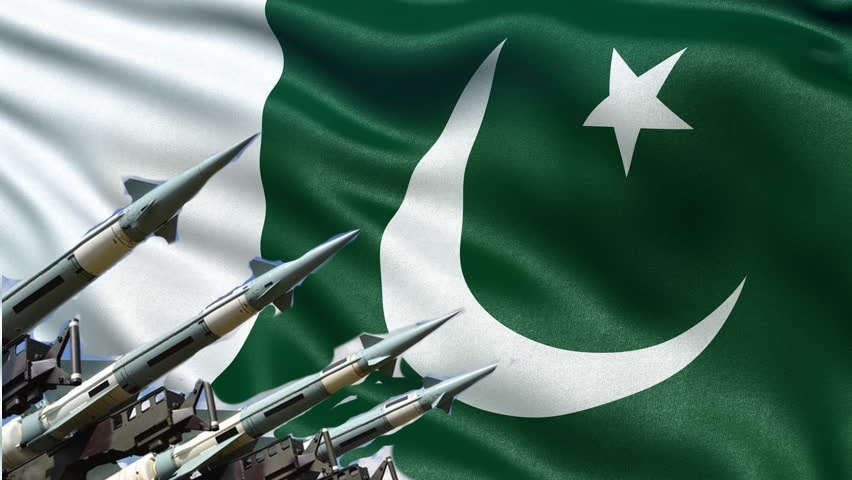
Representational Pic
Pakistan is expanding its uranium enrichment and plutonium production capabilities, raising concerns that the country could become the world's fifth-largest nuclear-weapon state and potentially increase its arsenal to between 220 and 250 warheads by 2025, according to a report published by the Bulletin of the Atomic Scientists.
The 12-page assessment, authored by members of the Federation of American Scientists, said Pakistan was continuing to expand not only its nuclear stockpile but also the infrastructure and delivery systems needed to support its nuclear programme.
“Pakistan continues to expand its nuclear arsenal with more warheads, more delivery systems, and a growing fissile materials production industry,” the report said, adding that the country's stockpile could reach 220 to 250 warheads by 2025 if the existing trend continued.
The assessment points to the expansion of both uranium enrichment and plutonium production facilities as key factors behind the projected growth. Increased production of fissile material could provide Pakistan with the ability to manufacture additional nuclear warheads over time.
The report also highlighted the development of several delivery systems, suggesting that Islamabad's nuclear strategy involves not only increasing the number of warheads but also strengthening the means to deploy them.
The findings were first reported by Jane's Defence Weekly, a London-based publication specialising in military and corporate affairs, which reported on the assessment on Wednesday.
If the projection materialises, Pakistan's growing arsenal would represent a significant shift in the global nuclear balance. The expansion also has implications for regional security, particularly in South Asia, where India and Pakistan have maintained competing nuclear capabilities and a history of military tensions.
The report's projection, however, is based on the assumption that Pakistan's current pace of nuclear expansion continues through 2025. Nuclear stockpile estimates are difficult to verify independently because countries generally keep detailed information about their nuclear weapons programmes classified.



© Copyright
Reporter Post.All Rights Reserved |
Powered by: Aptilogic Software |
 |
Page rendered in 0.0133 seconds.
|
Page rendered in 0.0133 seconds.