Wed, September 23, 2026
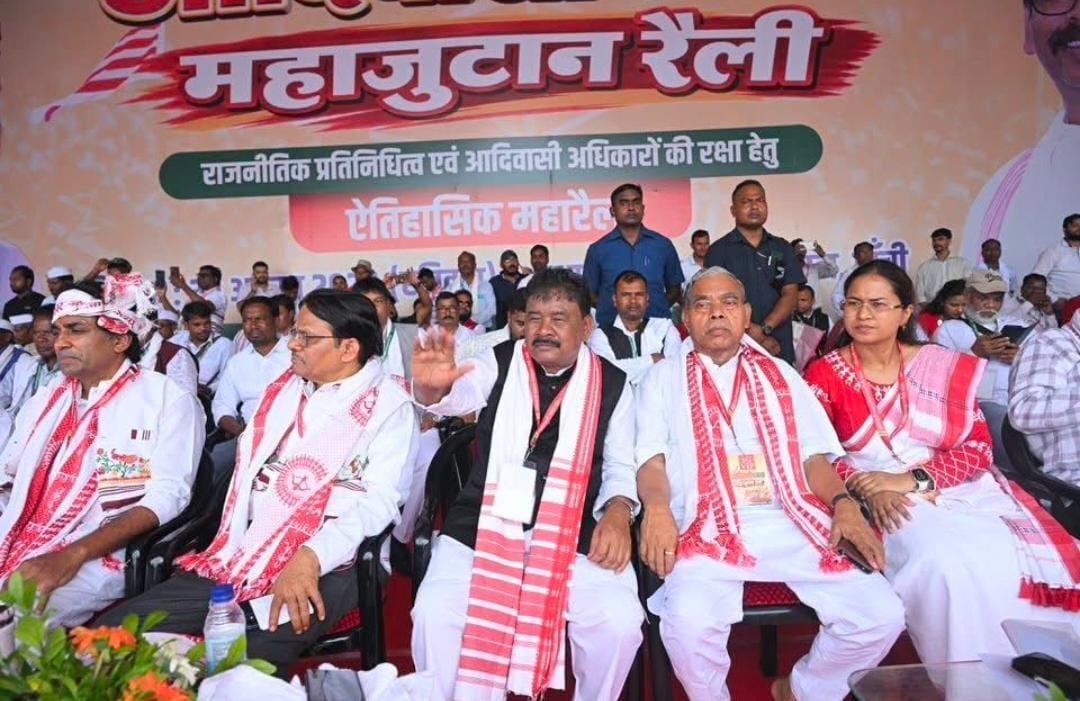
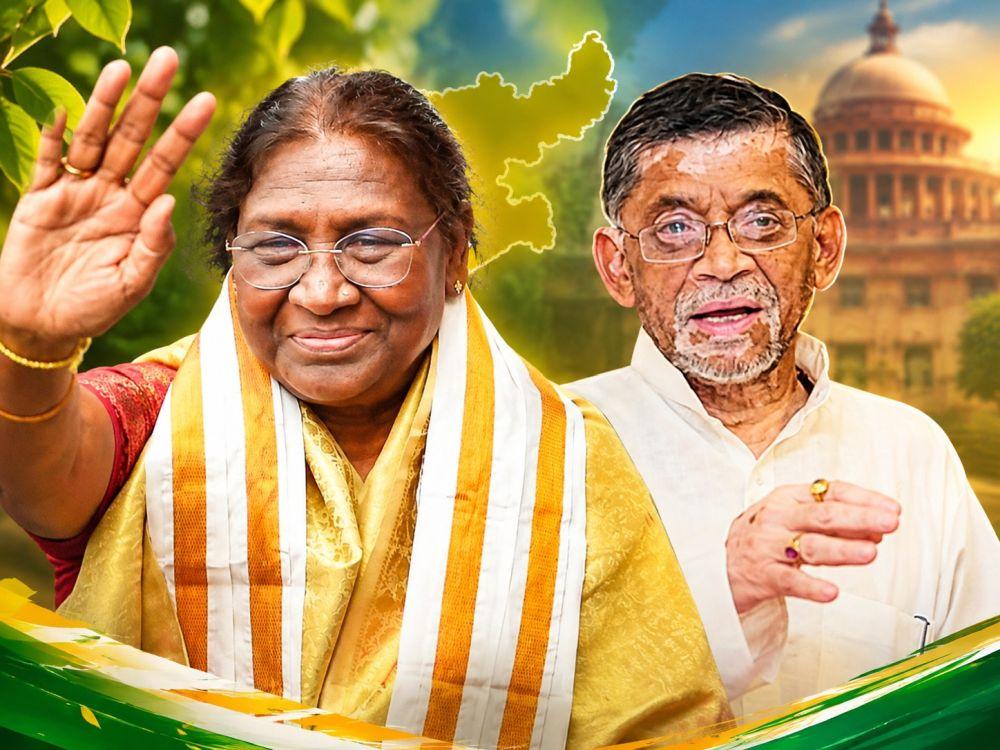
*File picture from Maha Jutan rally, Morabadi, Ranchi
Jharkhand completed 26 years as a separate state on November 15, 2026. Yet the larger question that shaped the movement for statehood remains largely unanswered: has the creation of Jharkhand actually transformed the lives of its tribal communities?
Jharkhand was not born out of an ordinary political demand. It was the outcome of a decades-long movement against exploitation, displacement and neglect. When the state was carved out of Bihar on November 15, 2000, there was widespread hope among its indigenous and tribal communities that they would finally have greater control over their land, forests and natural resources and would no longer remain among the most deprived sections of society.
Leaders such as Nirmal Mahato, Dishom Guru Shibu Soren, Binod Bihari Mahato and several other figures devoted years of their lives to the struggle for a separate state. Jal, jungle and zameen — water, forests and land — were at the heart of that movement.
But 26 years later, the fundamental questions remain.
Have Jharkhand’s tribal communities actually received the rights and opportunities promised to them?
The political record of the state is significant. Over the years, almost every major political formation has had an opportunity to govern Jharkhand. In the early years, political instability and the absence of a clear majority were often cited as major reasons for the slow pace of development.
That argument, however, became harder to sustain after 2014, when Jharkhand got a stable majority government under Raghubar Das. From 2014 to 2019, the BJP-led government ruled the state with a clear majority. Since 2019, the state has been governed by a coalition led by Hemant Soren.
Yet, despite changes in governments and political leadership, many of the basic problems confronting tribal communities remain.
The uncomfortable reality is that tribal society often appears to occupy a central position in election campaigns but a far less central position in long-term development planning.
Political parties frequently invoke different aspects of tribal identity during elections. Terms such as Adivasi, Vanvasi and Sarna, along with questions of religious and cultural identity, become part of political discourse. These issues are undoubtedly important to the social and cultural life of Jharkhand. But the larger question is whether issues such as employment, education, healthcare, land rights, economic security and migration receive the same political attention.
For many tribal families, migration remains a major concern. The absence of sufficient local employment opportunities forces people, particularly from rural and economically weaker areas, to travel to other states in search of work.
The problem cannot simply be attributed to one government or one political party. It is the result of several interconnected factors — inadequate employment opportunities, limited industrial development in many areas, gaps in education and healthcare, insufficient infrastructure and the continuing economic vulnerability of rural communities.
There is also a need for greater caution while discussing the changing share of the tribal population in Jharkhand. Population percentages can change for several reasons, including migration, urbanisation, demographic trends and differences between census years. Therefore, claims about a decline in the tribal population should be examined against official census and demographic data rather than being attributed to a single factor such as migration.
The more important issue, however, is not simply the size of the tribal population. It is the quality of life available to those who remain in the state.
How many tribal youths are getting quality education? How many are finding decent employment without having to leave Jharkhand? How effectively are tribal land rights and forest rights being protected? How much has household income improved? How accessible are healthcare and higher education in remote tribal areas?
These are the questions that should determine the success or failure of successive governments.
Political representation of tribal communities is important, but representation alone cannot guarantee development. The real test of governance lies in whether tribal communities are becoming economically stronger, better educated and less dependent on migration.
Jharkhand was created with the promise of giving its indigenous people a stronger voice in decisions concerning their land, resources and future. Twenty-six years later, the state needs to look beyond electoral arithmetic and undertake an honest assessment of what has actually changed.
The question should not merely be which political party succeeded in securing the tribal vote.
The bigger question should be: which government created the conditions for tribal communities to become economically independent, socially secure and capable of shaping their own future?
If tribal communities are remembered primarily during elections and treated as a vote bank rather than as equal stakeholders in development, then the original promise of Jharkhand will remain incomplete.
The state may have completed 26 years, but the real journey towards fulfilling the aspirations behind its creation is far from over.


© Copyright
Reporter Post.All Rights Reserved |
Powered by: Aptilogic Software |
 |
Page rendered in 0.009 seconds.
|
Page rendered in 0.009 seconds.