Mon, September 07, 2026
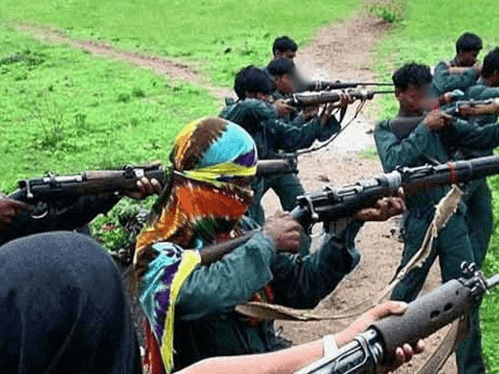
New Delhi: Security agencies have raised concerns over the emergence of sympathiser networks attempting to spread Maoist ideology in urban centres, particularly educational institutions, following a recent incident in Pune.
The alert comes after students at a Maharashtra Welfare Department hostel were seen dancing to a song praising slain Maoist commander Madvi Hidma. Investigations revealed that five of the students involved were from Gadchiroli and one from Chandrapur—regions previously affected by Maoist activity.
Officials say that while the armed insurgency has largely been neutralised—an outcome the government had committed to achieving by March 31 under the leadership of Narendra Modi—the ideological influence of Maoist groups continues to persist in pockets, especially in cities.
According to intelligence inputs, these urban networks are now shifting focus from armed struggle to ideological outreach. Their strategy involves raising issues related to tribal communities to generate emotional support and revive interest in the Maoist narrative.
Union Home Minister Amit Shah has previously criticised such elements, alleging that certain intellectual circles selectively highlight issues to promote what officials describe as an outdated ideology.
An Intelligence Bureau official indicated that the approach is currently subtle. Rather than openly promoting Maoism, these groups are attempting to gradually build influence—starting with participation in protests and introducing sympathetic narratives, including glorification of Maoist figures.
Authorities believe educational institutions are a key target. Tactics may include organising discussions, distributing posters, and inserting ideological messaging into unrelated protest movements. The aim, officials warn, is to shape student opinion over time.
The government has taken note of these developments and is focusing on countermeasures, including awareness campaigns and counter-narratives highlighting the impact of Maoist violence and the role of development initiatives in reducing insurgency in tribal regions.
Officials emphasise that while the conflict on the ground may have subsided, the challenge now lies in countering the spread of ideology—particularly among young populations in urban areas.
With inputs from IANS



© Copyright
Reporter Post.All Rights Reserved |
Powered by: Aptilogic Software |
 |
Page rendered in 0.0283 seconds.
|
Page rendered in 0.0283 seconds.