Sun, September 27, 2026


New Delhi — India is strengthening its energy supply lines with two additional liquefied natural gas (LNG) cargoes currently headed to the country, as public sector oil and gas companies increase imports from regions outside the Middle East amid tensions linked to the Iran conflict.
A senior government official said the move is part of efforts to ensure adequate fuel supplies for domestic consumers while minimising dependence on routes affected by the crisis.
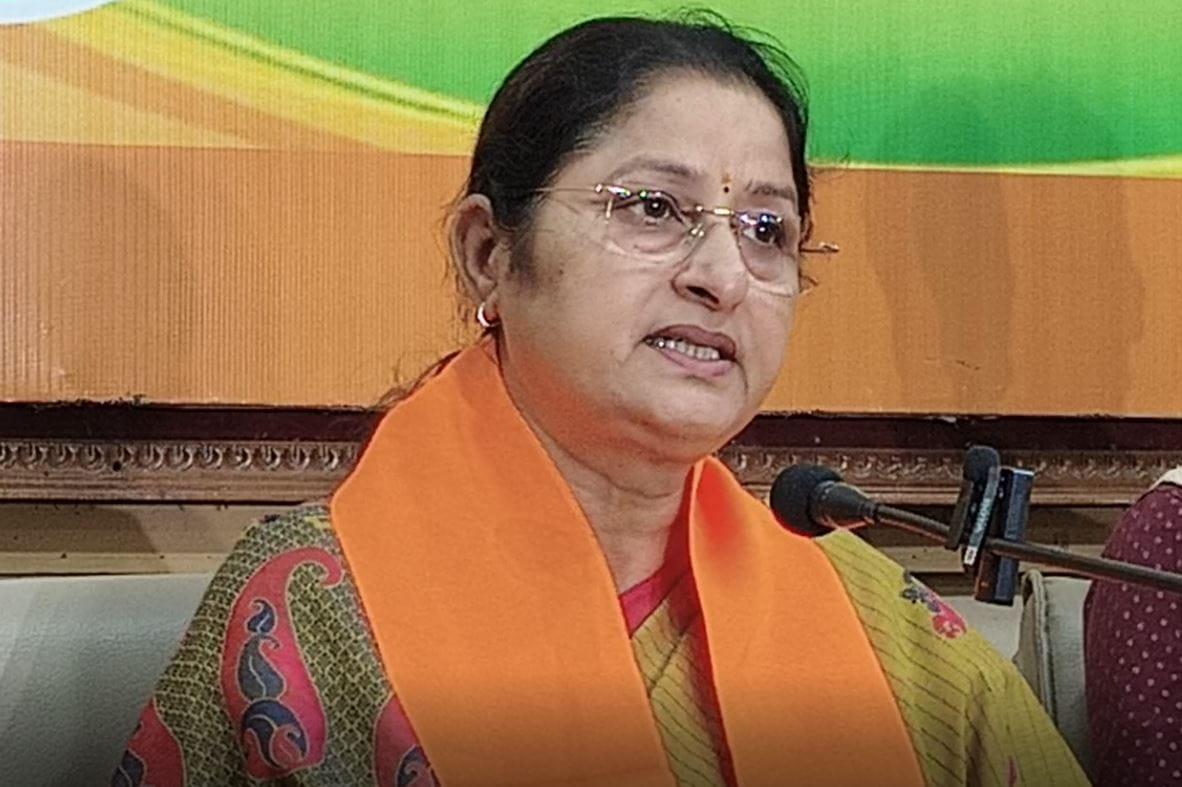
Speaking at a press briefing, Sujata Sharma, Joint Secretary in the Ministry of Petroleum and Natural Gas, said India’s crude oil supply remains stable despite the geopolitical situation.
She noted that oil marketing companies have sourced crude cargoes from multiple countries, significantly reducing reliance on the Strait of Hormuz, a key global energy shipping route. Currently, about 75 per cent of India’s crude oil imports are arriving through alternative routes, compared with around 55 per cent earlier.
Addressing reports of panic bookings of domestic LPG cylinders following the crisis, Sharma clarified that there is no shortage. She said the average delivery cycle for household LPG cylinders remains about 2.5 days, urging consumers not to rush to book refills unnecessarily.
According to the government, several measures are being taken to maintain energy security. These include sourcing fuel through alternate routes and increasing domestic production. India imports roughly 60 per cent of its LPG requirement, while domestic LPG output has been increased by around 25 per cent, with priority supply being directed to households.
Refineries across the country are also running at very high capacity, with some operating above 100 per cent utilisation, to ensure steady fuel availability.
India’s total natural gas consumption currently stands at 189 million metric standard cubic metres per day (mmscmd). Of this, 97.5 mmscmd is produced domestically, while the rest is imported. However, about 47.4 mmscmd of supply has been disrupted due to force majeure conditions linked to the conflict.
Concerns over gas availability intensified after Qatar — India’s largest supplier of LNG — temporarily paused production following attacks attributed to Iran.
Meanwhile, Hardeep Singh Puri, India’s Petroleum Minister, reassured consumers that there is no shortage of LPG for household kitchens.
The Central government has also issued orders under the Essential Commodities Act to ensure uninterrupted supplies of piped natural gas for homes, LPG cylinders, and CNG for transport, giving them top priority during the current disruption.
Under the directive, priority sectors will receive 100 per cent of their average gas consumption over the past six months, subject to operational availability. These include domestic piped gas supply, compressed natural gas for vehicles, LPG production, and essential pipeline operations.
In addition, the Centre has instructed refineries and petrochemical units to maximise LPG production and divert key hydrocarbon streams to the LPG supply pool to maintain adequate availability for consumers.
With inputs from IANS



© Copyright
Reporter Post.All Rights Reserved |
Powered by: Aptilogic Software |
 |
Page rendered in 0.0096 seconds.
|
Page rendered in 0.0096 seconds.