Wed, July 22, 2026
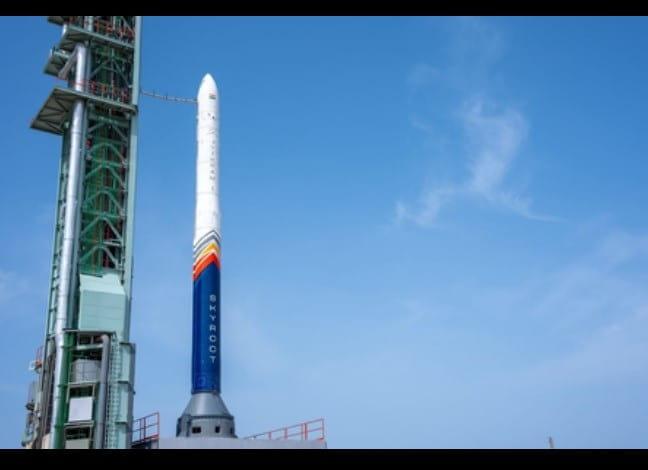
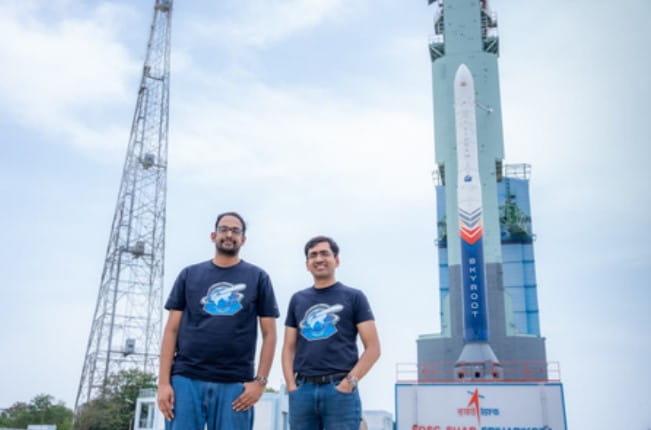
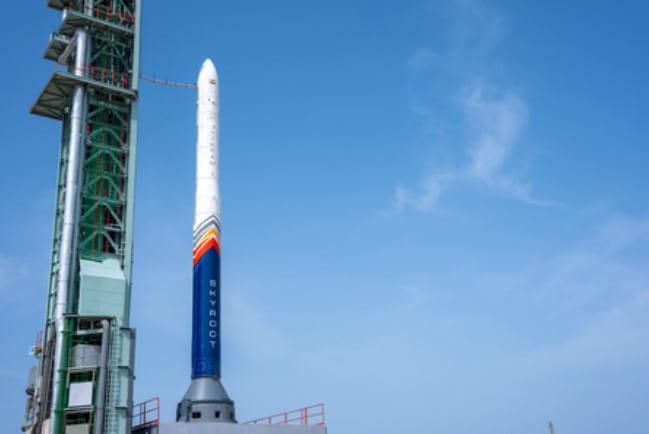
New Delhi: The successful orbital launch of Vikram-1, India's first privately developed rocket, marks a major turning point for the country's space programme, signalling a shift from an ISRO-led model to a vibrant ecosystem involving multiple private players, according to a report by India Narrative.
The report said the achievement demonstrates that India is no longer merely a low-cost extension of the Indian Space Research Organisation (ISRO), but is steadily building a diverse space ecosystem with indigenous rockets, satellites and long-term ambitions that include human spaceflight and an independent space station.
It described Vikram-1 as the latest milestone in India's growing space journey, following the successes of Chandrayaan-3 and Aditya-L1, and credited policy reforms introduced around 2020 for enabling the transformation. The establishment of IN-SPACe was highlighted as a key factor in opening the sector to private companies.
According to the report, IN-SPACe played a crucial role in helping Hyderabad-based Skyroot Aerospace test its technologies and launch Vikram-1 from ISRO's Sriharikota launch facility. The agency has helped bring together private launch companies, satellite manufacturers and downstream service providers under a unified national framework instead of allowing isolated development.
The report also highlighted Skyroot's use of advanced manufacturing technologies, including carbon-composite motor casings, high-performance solid rocket motors and 3D-printed propulsion components—technologies that were previously limited to ISRO and a handful of global aerospace companies.
Vikram-1 carried technology demonstration payloads from India's Grahaa Space, Cosmoserve, Germany's DCubed, and Skyroot itself. According to the report, the presence of international and domestic customers reflects growing confidence in India's emerging private launch capabilities.
The report further noted that government reforms have transformed India's private space landscape, with the number of space startups rising from just one in 2022 to nearly 200 by 2024. The sector also attracted around ?1,000 crore in investments during just the first eight months of 2023.
With India aiming to increase its share of the global space economy from about 2 per cent in 2021 to 8 per cent by 2030 and 15 per cent by 2047, the report said Vikram-1 demonstrates that the country's industrial and technological base is now capable of supporting those ambitious goals.
With inputs from IANS




| 14-09-2018 | ||||||
| Sl No. | Parameters | Actual Data(µg/m3) | Standard Limit(µg/m3) |
|---|---|---|---|
| 1 | PM 10 | 64 | 100 |
| 2 | PM 2.5 | 33 | 60 |
| 3 | SO2 | 55.3 | 80 |
| 4 | NO2 | 58.2 | 80 |
| 14-09-2018 | ||||||
| Station | Temperature(degree centigrade) | Rainfall(mm) | Relative humidity(%) | |||
|---|---|---|---|---|---|---|
| Max | Min | Past 24 hrs. | Since 1st March, 2018 | Max | Min | |
| Ranchi | 31.0 | 22.5 | 000.0 | 1010.1 | 95 | 66 |
| Jamshedpur | 34.1 | 26.2 | 000.0 | 1252.8 | 87 | 58 |
| Bokaro | 33.5 | 24.6 | 015.2 | 824.0 | 92 | 79 |
| Daltonganj | 32.6 | 24.9 | 004.2 | 960.9 | 95 | 67 |
© Copyright
Reporter Post.All Rights Reserved |
Powered by: Aptilogic Software |
 |
Page rendered in 0.106 seconds.
|
Page rendered in 0.106 seconds.