
Thu, October 08, 2026

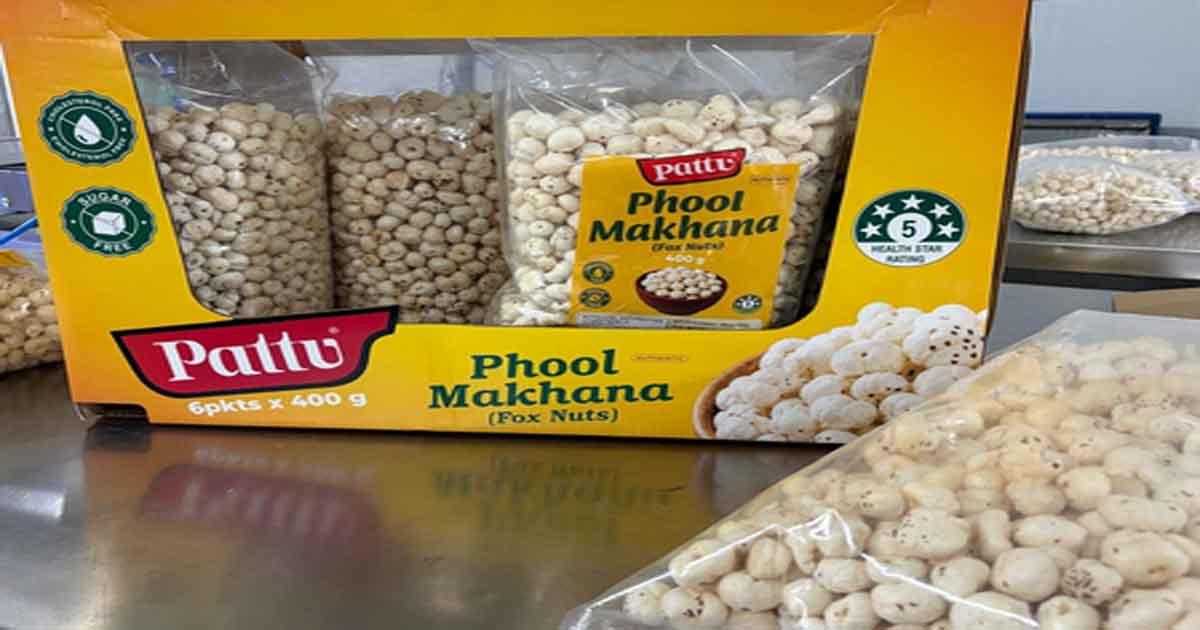
Photo: IANS
Bihar’s GI-tagged Mithila Makhana has taken another step into the international market, with 18 metric tonnes of the premium fox nuts being exported to Australia by sea for the first time.
Commerce and Industry Minister Piyush Goyal announced the development on Saturday, saying the consignment was procured directly from farmers in Darbhanga and provided them with nearly 18 per cent higher returns compared with prevailing market prices.
“India’s GI-tagged Mithila Makhana has achieved another major milestone in the global market,” Goyal said in a post on X.
The shipment was facilitated with the support of the Agricultural and Processed Food Products Export Development Authority (APEDA), which has been working to expand overseas markets for India’s agricultural and processed food products.
The Australia-bound consignment marks another significant development for Bihar’s makhana industry, particularly as growers and processors seek to benefit from the product’s growing international demand.
### Growing global market for Bihar’s makhana
The latest export comes shortly after another milestone for the state’s famous aquatic crop. Last month, seven metric tonnes of flavoured makhana from Darbhanga were shipped to Canada by sea for the first time.
Goyal had said at the time that farmers associated with that shipment were receiving prices more than 50 per cent higher than they had previously obtained, highlighting the potential of direct access to international markets to improve farm incomes.
The two developments underline the growing effort to move Bihar’s makhana beyond traditional domestic markets and position it as a premium agricultural product in international markets.
Mithila Makhana received the Geographical Indication (GI) tag in 2022, formally recognising its distinct identity and connection with the Mithila region of Bihar.
### Export growth could benefit farmers
The expansion of sea-based exports could create new opportunities for makhana growers by connecting them more directly with overseas buyers and reducing dependence on traditional trading channels.
Greater international demand could also encourage investment in processing, packaging and value-added products, allowing Bihar to capture a larger share of the value generated from its makhana.
For farmers, the most significant benefit could come from better price realisation. The nearly 18 per cent higher return reported for the latest Australia-bound consignment indicates the potential benefits of linking producers directly with organised export markets.
With demand for healthy and ready-to-eat snacks increasing globally, Bihar’s makhana is emerging as a promising product in India’s agricultural export basket. Continued support for quality, processing, branding and international distribution could help the crop secure a stronger position in overseas markets while improving opportunities for farmers in the Mithila region.



© Copyright
Reporter Post.All Rights Reserved |
Powered by: Aptilogic Software |
 |
Page rendered in 0.013 seconds.
|
Page rendered in 0.013 seconds.