Sun, October 18, 2026


Raipur- In a major breakthrough for security forces, 41 armed Maoist cadres—including 12 women—surrendered before senior police and CRPF officials in Chhattisgarh’s Bijapur district on Wednesday.
The group, collectively carrying a reward of Rs 1,19,00,000, chose to renounce violence and return to the mainstream.
The surrendered cadres were linked to some of the most sensitive wings of the banned CPI (Maoist). They included five members of the PLGA Battalion No. 1, three area committee members, 11 platoon and area committee party members, several militia commanders and members, along with office-bearers of front organisations such as DAKMS and KAMS.
Thirty-nine of them were part of the South Sub-Zonal Bureau, while the remaining were associated with the Telangana State Committee and the Dhamtari–Gariaband–Nuapada division.
The surrender took place under the state government’s rehabilitation programme ‘Puna Margem: Rehabilitation to Rebirth’ and the Niyad Nellanar Scheme. Senior officials present included DIG (CRPF) Bijapur Sector B.S. Negi, Bijapur SP Dr. Jitendra Kumar Yadav, and senior personnel from the DRG, Bastar Fighters, STF, CoBRA, and CRPF units.
Welcoming the development, SP Dr. Jitendra Kumar Yadav urged other Maoists to surrender, saying their families wanted them to return home. He added that the government’s rehabilitation policy ensures a secure, dignified, and self-reliant future for those who surrender.
Since January 1 this year, Bijapur district has recorded 528 Maoist arrests, 560 surrenders, and 144 deaths in encounters. From January 2024 to date, 790 cadres have joined the mainstream, 1,031 have been arrested, and 202 have been killed in various operations.
The surrendering cadres expressed faith in the Indian Constitution and committed themselves to peaceful living under the democratic system.
Each cadre will receive Rs 50,000 as immediate relief, with full rehabilitation and reintegration processes already underway.
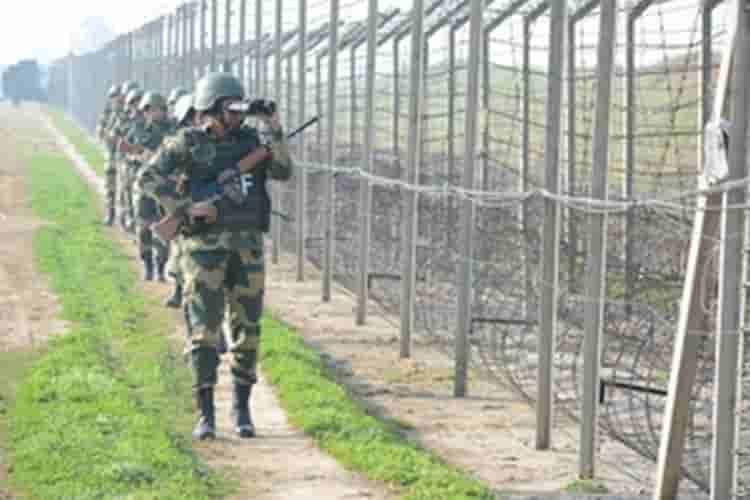
Security officials said the mass surrender reflects sustained pressure from joint operations, trust-building initiatives in remote regions, and the Chhattisgarh government’s attractive rehabilitation package—indicating a continued weakening of Maoist influence in South Bastar.
With inputs from IANS



© Copyright
Reporter Post.All Rights Reserved |
Powered by: Aptilogic Software |
 |
Page rendered in 0.0088 seconds.
|
Page rendered in 0.0088 seconds.