Sun, October 11, 2026

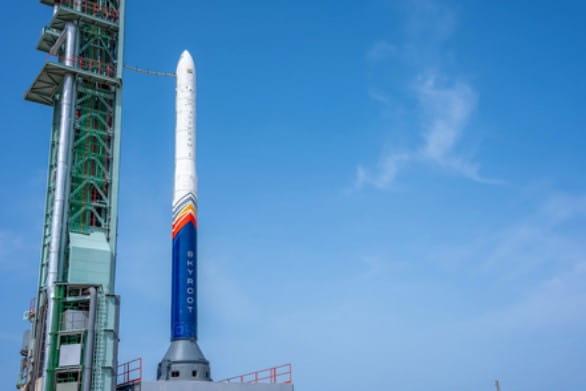
Representational Pic: IANS
The Indian Space Research Organisation (ISRO) is preparing to launch its first small rocket, capable of carrying satellites weighing around 500-700 kg, with the maiden flight expected sometime next year, ISRO Chairman K. Sivan said.
"The developmental work for our small rocket that can carry satellites weighing around 500 kg is on. The first flight of the small rocket is expected to happen sometime next year," Sivan told IANS.
The rocket, later identified as the Small Satellite Launch Vehicle (SSLV), will initially be launched from India's existing spaceport at Sriharikota in Andhra Pradesh.
The development of a smaller, lower-cost launch vehicle is significant as demand for small satellites continues to grow globally. Such a rocket can offer more flexible and potentially quicker launch opportunities for smaller satellites, including those developed by private companies and startups.
S. Rakesh, Chairman-cum-Managing Director of Antrix Corporation, ISRO's commercial arm, had earlier said the SSLV would eventually require a dedicated launch facility with a relatively simple vertical launch system.
"Though SSLV will be initially launched from our rocket port at Sriharikota in Andhra Pradesh, we want to have a separate spaceport for it later," Rakesh had said.
Responding to the proposal, Sivan said the SSLV would initially operate from Sriharikota, while Antrix could pursue its own plans for a separate facility in the future.
The development of the SSLV is also expected to strengthen India's position in the growing commercial small-satellite launch market, where customers increasingly seek cost-effective and dedicated launch services rather than waiting for space on larger rockets.
Meanwhile, ISRO is also evaluating proposals from Indian companies interested in acquiring its lithium-ion battery technology.
Sivan said the first stage of screening the proposals was expected to be completed within about a month.
More than 130 companies had expressed interest in the technology after ISRO announced in June that it would transfer its lithium-ion cell technology to Indian industry on a non-exclusive basis for use in automobiles for Rs 1 crore.
The technology will be transferred by the Vikram Sarabhai Space Centre in Kerala to selected Indian companies and startups. The successful firms will be able to establish manufacturing facilities for producing lithium-ion cells in different sizes, capacities, energy densities and power densities.
Lithium-ion batteries are widely used in consumer electronics such as smartphones, laptops and cameras, as well as in industrial and aerospace applications. Advances in the technology have also made them an important power source for electric and hybrid vehicles.
The move to transfer the technology is aimed at encouraging domestic manufacturing and helping Indian industry develop battery production capabilities for a wider range of applications.
Together, the SSLV programme and the commercial transfer of lithium-ion technology underline ISRO's broader effort to move space-developed technologies into the private sector while creating new opportunities for Indian companies in both the space and emerging electric mobility markets.



© Copyright
Reporter Post.All Rights Reserved |
Powered by: Aptilogic Software |
 |
Page rendered in 0.0126 seconds.
|
Page rendered in 0.0126 seconds.