Fri, October 30, 2026

As urbanisation continues to reshape communities across the world, the United Nations has emphasised the need to build cities that are inclusive, offer equal opportunities and place people’s needs at the centre of development, ensuring a better quality of life for all.
Observed every year on October 31, World Cities Day celebrates the role of cities in promoting sustainable, inclusive and resilient development. Jamshedpur offers a notable example of these ideals, with its development journey reflecting how industrial progress and community well-being can advance together.
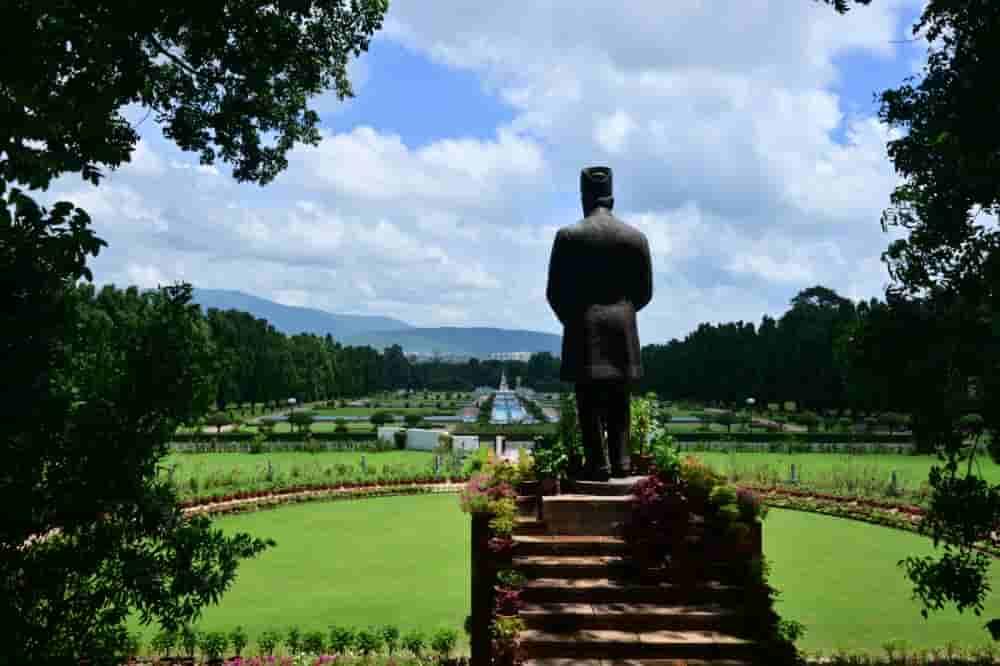
As the city wakes up each morning, its tree-lined roads come alive with activity. Residents head out for morning walks, children make their way to school, and workers leave for factories and offices. Families go about their daily routines, supported by access to modern healthcare facilities, recreational spaces and essential public services.
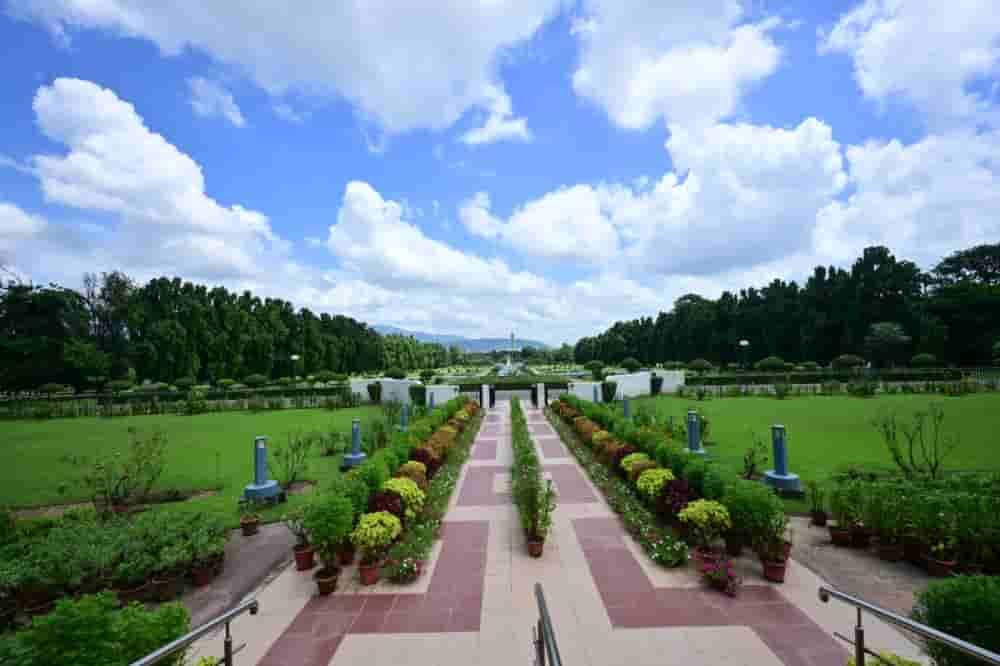
This quality of urban life is the result of more than a century of planned development and initiatives centred on community needs. Tata Steel has played a significant role in shaping this journey, guided by its commitment to carrying forward the vision of its founder, Jamsetji Tata.
The company's contribution to Jamshedpur has extended well beyond its industrial operations. Over more than a century in the city, Tata Steel has treated community development and nation-building as integral to its own growth. It has consistently invested in civic infrastructure, educational institutions, healthcare services, sports facilities and other essential public amenities. These efforts have helped establish Jamshedpur as one of India's most recognised industrial cities.
Tata Steel also works with government agencies and local bodies to strengthen urban infrastructure, improve sanitation and enhance public amenities. Jamshedpur has earned recognition for its cleanliness and organised urban environment, with its planned development, civic facilities, green open spaces and quality of life drawing appreciation over the years.
Highlighting the importance of collective efforts in building a sustainable urban future, Atul Kumar Bhatnagar, Managing Director of Tata Steel Utilities and Infrastructure Services Limited (TSUISL), said, “At the heart of Jamshedpur’s legacy is Tata Steel’s collaboration and coordination with industry, administration and the community. This collective effort transforms the complex challenges of urban development into shared progress and better opportunities for all. It is this approach that has earned the city widespread appreciation over the decades and helped it achieve several milestones.”
He added, “TSUISL’s role in managing urban infrastructure sets new benchmarks in the delivery of civic amenities and services. Its efforts are continuously improving the quality of life of residents while shaping Jamshedpur’s future along a sustainable and planned path.”
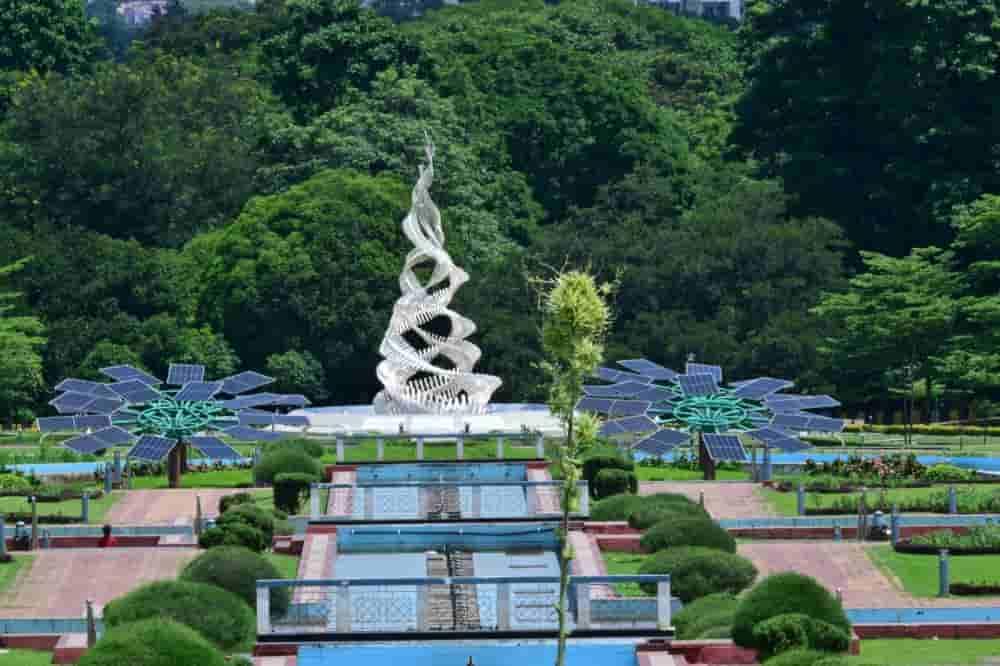
A defining feature of Tata Steel's approach has been its long-term vision. Even during periods of economic uncertainty and business challenges, the company continued to support schools, hospitals and community institutions. Rather than viewing these facilities merely as business-related activities, it has recognised them as important social assets that contribute to the well-being and progress of society.
This sustained commitment has helped generations of Jamshedpur residents access quality education, better healthcare, sports facilities and opportunities for personal development.
Tata Steel's continued investment in social and civic infrastructure has strengthened the city's development journey. Jamshedpur's experience reflects the principles promoted by the United Nations and demonstrates how industrial success and community well-being can remain closely interconnected.



© Copyright
Reporter Post.All Rights Reserved |
Powered by: Aptilogic Software |
 |
Page rendered in 0.0093 seconds.