Wed, October 28, 2026
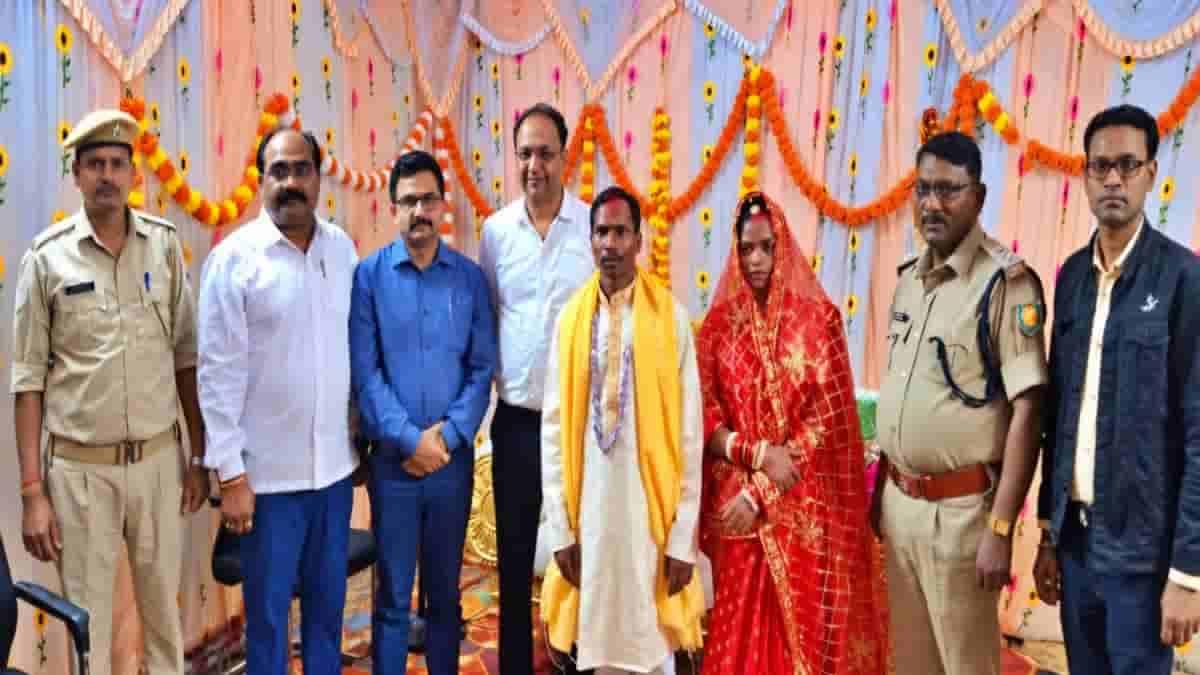
Photo: RP
In an unusual turn of events, two former Maoist commanders, Suresh Singh Munda and Somwari Hembram, have begun a new chapter in their lives by getting married at Hazaribagh Open Jail in Jharkhand. The wedding was arranged with the assistance of the police and district administration after both surrendered and entered the rehabilitation process.
The marriage took place in February or March, but photographs and videos of the ceremony have recently surfaced, bringing the event into the spotlight. Police and administrative officials attended the wedding, taking on the roles traditionally performed by the bride’s and groom’s families.
Munda, a resident of Baruhatu village in Bundu, Ranchi district, and Hembram, from Arahanga village in Tamar, had expressed their desire to marry before the jail authorities. Their request was subsequently facilitated, with the wedding ceremony organised within the open jail premises.
A new chapter after surrender
Both had abandoned the Maoist movement and surrendered to the police before being placed at the open jail in Hazaribagh. While living there, they decided to marry and begin a new life away from armed insurgency.
According to the information available, the wedding was organised on the directions of Jharkhand Director General of Police Tadasha Mishra, with police and district officials participating in the ceremony. Hazaribagh District Marriage Officer Rajesh Ekka also registered the marriage.
Police and administration join the celebrations
The wedding offered an unusual contrast: officials representing the same law enforcement system that the couple had once fought against were now present to support their decision to start a family.
Police and administrative personnel participated in the celebrations and extended their wishes to the newly married couple as they embarked on a different path.
A step towards life beyond insurgency
The marriage highlights one aspect of the transition former Maoist cadres face after surrendering: rebuilding their personal lives and reconnecting with society.
While the ceremony was a personal milestone for Munda and Hembram, the involvement of the police and administration also reflected efforts to facilitate their return to civilian life. Their story offers a glimpse into the possibilities of rehabilitation beyond surrender, as former insurgents seek stability and a future outside the armed movement.



© Copyright
Reporter Post.All Rights Reserved |
Powered by: Aptilogic Software |
 |
Page rendered in 0.0096 seconds.