Thu, September 03, 2026

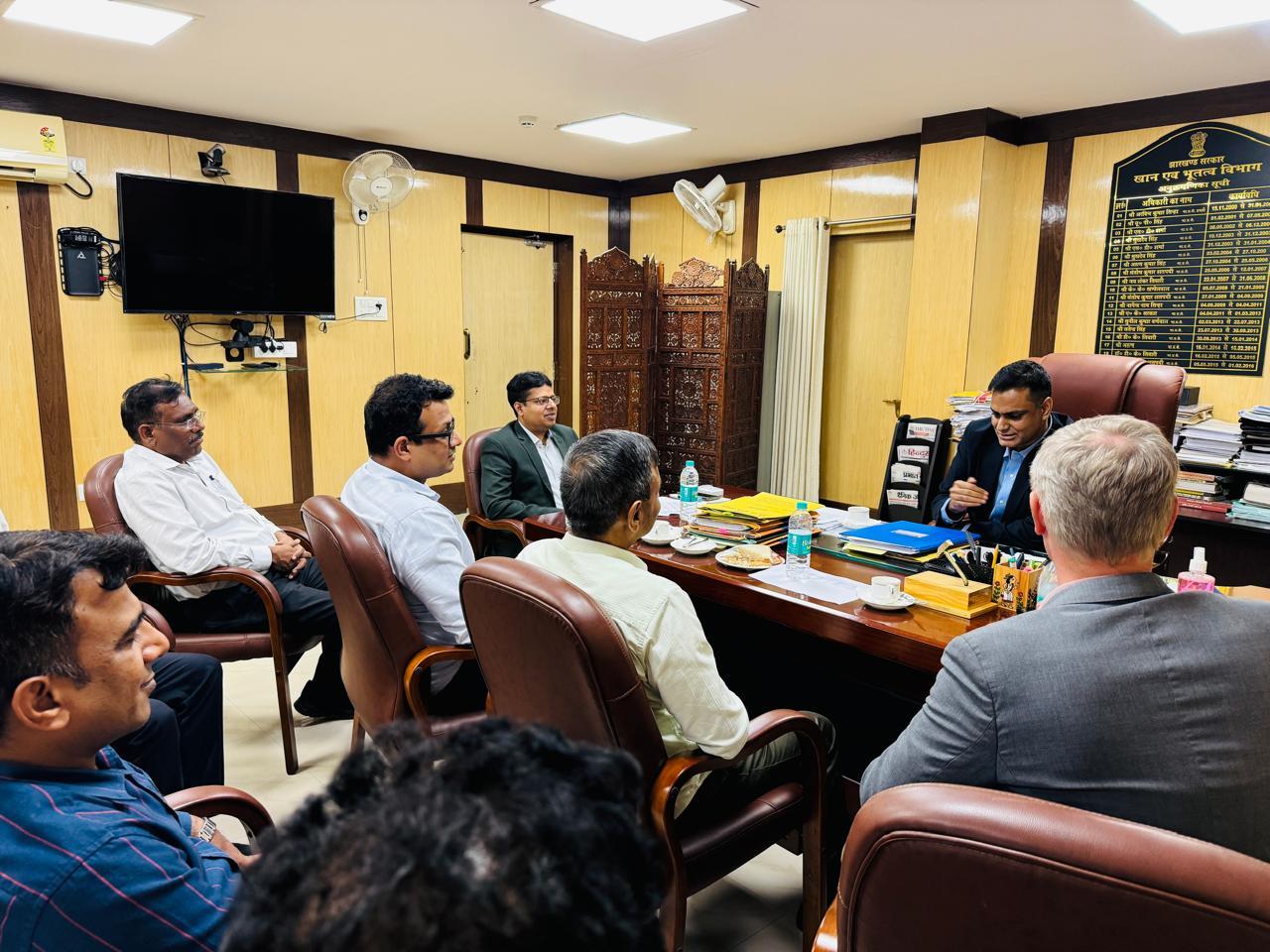
Ranchi: In a major step towards the scientific rehabilitation and sustainable repurposing of closed coal mines, the Jharkhand government has selected the Giridih Open Cast Project (OCP) and Karma OCP in Ramgarh district as pilot projects under the Centre’s initiative for post-mining development.
The decision was taken at a high-level meeting held in Ranchi, where it was agreed to recommend both mines to the Government of India for inclusion in the pilot programme. The initiative is being undertaken under the Technical Cooperation on To-be-Closed Coal Mines (TCCM) project, implemented with the support of the Union Ministry of Coal and Germany-based GIZ.
Senior officials, including Mines and Geology Department Secretary Arwa Rajkamal, representatives of GIZ, the Coal Controller’s Organisation, Central Coalfields Limited (CCL) and CMPDI participated in the meeting.
Under the project, a detailed Final Mine Closure and Repurposing Plan will be prepared for the selected mines. The plan will assess the potential reuse of land, water resources, infrastructure and local economic assets after mining operations cease.
The initiative aims to ensure that mine closure is not limited to ending mining activities but results in environmentally safe, socially inclusive and economically productive assets. Based on international experience and modern technologies, the model could subsequently be replicated in other coal-producing regions of the country.
The repurposing of closed mines is expected to improve the environment in mining-affected areas while creating new employment and livelihood opportunities for local communities. Potential uses of reclaimed mine land include renewable energy projects, tourism, agriculture, horticulture, fisheries, skill development centres and other economic activities.
Eight villages—Sugia, Marar, Bongabar, Karma, Kaitha, Kander, Lodhma and Painki—within a five-kilometre impact zone of the Karma OCP have been identified for assessment. Their socio-economic conditions, vulnerable groups and livelihood opportunities are being studied. A Mine Closure Advisory Committee has also been constituted for local coordination.
A detailed DPR will cover environmental restoration, land-use planning, water and mine-void management, and reuse of existing infrastructure. The project will also explore opportunities for renewable energy projects and other investments at suitable locations.
The TCCM project is scheduled to continue until March 2030, with its experiences expected to provide a framework for sustainable post-mining development in other coal mines nearing closure across India.



© Copyright
Reporter Post.All Rights Reserved |
Powered by: Aptilogic Software |
 |
Page rendered in 0.1056 seconds.
|
Page rendered in 0.1056 seconds.