Thu, October 22, 2026

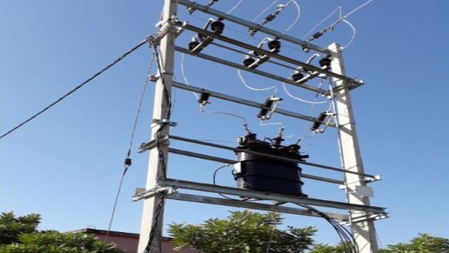
Ranchi — Electricity tariffs in Jharkhand have been increased by an average of 6.12 per cent, with urban domestic consumers set to pay Rs 7.40 per unit under the revised rates announced on Wednesday. The new tariff, issued by the Jharkhand State Electricity Regulatory Commission, will come into effect from April 1 and remain valid till March 31, 2027.
Under the revised structure, urban domestic tariffs have risen from Rs 6.85 to Rs 7.40 per unit, while rural domestic consumers will now pay Rs 7.20 per unit, up from Rs 6.70. However, the Commission has kept fixed meter charges unchanged across all categories, providing partial relief to consumers.
The hike is significantly lower than the steep increase of up to 59 per cent proposed earlier by Jharkhand Bijli Vitran Nigam Limited. After conducting public hearings in five divisions across the state, the regulator approved a moderate revision, with tariffs rising by 50 paise to 80 paise per unit across categories.
For commercial users, urban tariffs have been increased from Rs 6.70 to Rs 7.30 per unit, while rural commercial consumers will now pay Rs 6.70 compared to Rs 6.20 earlier. Industrial Low Tension consumers will be charged Rs 6.60 per unit, up from Rs 6.10, and other industrial units will pay Rs 6.40 per unit instead of Rs 5.90.
High Tension domestic consumers will see tariffs rise from Rs 6.40 to Rs 7.20 per unit, while street lighting charges have increased from Rs 7.00 to Rs 7.60. Marginal hikes have also been applied to special services and other categories.
The Commission retained incentives for consumers, including up to 2 per cent rebate for timely bill payments. Users with prepaid meters will get an additional 3 per cent rebate on energy charges, along with a refund of their security deposit.
No increase has been announced for agricultural consumers. In a push for cleaner mobility, tariffs for electric vehicle charging during solar hours have been reduced from Rs 7.31 to Rs 7 per unit. Officials noted that although tariff revisions are routine, the latest increase has been kept relatively moderate.
With inputs from IANS



© Copyright
Reporter Post.All Rights Reserved |
Powered by: Aptilogic Software |
 |
Page rendered in 0.0211 seconds.
|
Page rendered in 0.0211 seconds.