Tue, October 27, 2026


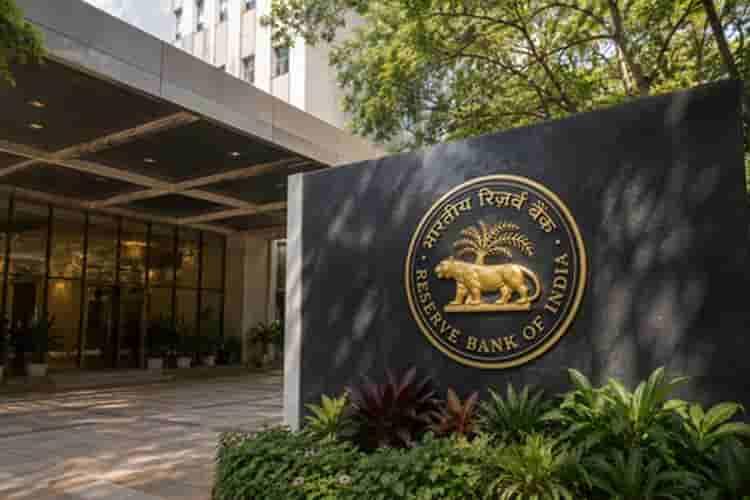
New Delhi: India’s economic growth in the first quarter of FY27 could surpass the Reserve Bank of India’s (RBI) projected annual growth rate of 6.6 per cent if the strong momentum witnessed in April and May continues through June, according to a report by SBI Research.
The report noted that several high-frequency economic indicators have shown above-average acceleration in recent months, reflecting the resilience of the domestic economy despite global uncertainties and external challenges.
“Despite external headwinds, the Indian economy is poised to remain the fastest-growing major economy in FY27 by leveraging its sound macroeconomic fundamentals and robust financial sector,” SBI Research said.
The report also suggested that the GDP deflator — a broad measure of inflation across the economy — could rise to between 6.5 and 7 per cent, compared to its earlier estimate of 4.5 to 5 per cent. If that happens, nominal GDP growth could reach 12.5 to 13 per cent, significantly higher than the 10 per cent growth assumption used in the Union Budget.
According to SBI Research, ongoing formalisation and digitisation of the economy are playing a key role in boosting labour productivity and improving access to institutional credit. The report cited findings from the Periodic Labour Force Survey (PLFS), indicating that skill training helps reduce employment informality and improves workforce participation in the organised sector.
“With increasing digitisation and continued focus on skill development initiatives by the government, we believe the growth momentum will continue,” the report stated.
India’s economy delivered a strong performance in the fourth quarter of FY26, expanding by 7.8 per cent compared to 7 per cent growth recorded during the corresponding period of the previous financial year. Supported by this robust quarterly performance, the country’s overall GDP growth for FY26 is estimated at 7.7 per cent, up from 7.1 per cent in FY25.
The report also commented on recent developments in global financial markets, noting that the technology-led sell-off in US stock markets was triggered by fading expectations of an early interest-rate cut by the US Federal Reserve after stronger-than-expected employment data.
According to SBI Research, technology companies are particularly sensitive to interest-rate movements because of their high growth expectations and increased borrowing levels, making them vulnerable when rates remain elevated.
However, the report cautioned that some risks remain for the Indian economy. It referred to a recent assessment by Crisil Ratings, which warned that a sharp rise in crude oil prices, below-normal monsoon rainfall, and higher inflation could affect consumer spending and moderate growth prospects in the coming months.
Even so, analysts believe that India’s strong domestic demand, ongoing reforms, and digital transformation efforts will continue to support economic expansion and help the country maintain its position among the world’s fastest-growing major economies.
With inputs from IANS



© Copyright
Reporter Post.All Rights Reserved |
Powered by: Aptilogic Software |
 |
Page rendered in 0.0106 seconds.
|
Page rendered in 0.0106 seconds.