Thu, April 23, 2026

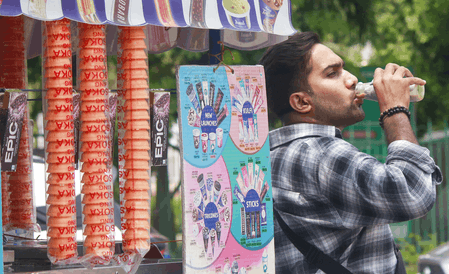
New Delhi — India’s ready-to-drink (RTD) non-alcoholic beverage market is entering a high-growth phase and is projected to double from around $20 billion in 2025 to $40 billion by 2030, according to a report by Redseer Strategy Consultants.
A key driver behind this surge is the rapid expansion of quick commerce, particularly in the RTD segment, which has witnessed growth of over 100 per cent. The report highlights a fundamental shift in consumer behaviour — from planned bulk purchases to more immediate, need-based consumption.
Despite the growth momentum, India’s per capita consumption of RTD beverages remains relatively low at 15–20 litres annually. This is significantly behind global markets such as the United States (100–120 litres), China (70–80 litres), and the United Kingdom (60–70 litres), suggesting substantial room for expansion.
The study also points to rising demand for healthier and functional beverage options, including protein drinks, functional hydration products, and packaged coconut water. The packaged coconut water segment alone accounts for 15–20 per cent of an approximately $900 million market, with over one-fifth of its sales now driven by quick commerce platforms.
“Quick commerce is emerging as a strong growth engine for packaged food and beverages, especially in categories where convenience and instant consumption are key,” the report noted.
The quick commerce sector itself is expected to grow sharply, from about $4 billion currently to nearly $25 billion by 2030, capturing a larger share of consumer demand.
While seasonal factors like India’s long summers continue to boost beverage consumption, the report emphasises that the growth trend is structural — driven by changing lifestyles, improved access, and evolving preferences.
Mrigank Gutgutia, Partner at Redseer, said the beverage industry is well-positioned to benefit from these shifts. He noted that RTD beverages are high-frequency, impulse-driven purchases, and demand intensifies during extended summer periods.
He added that with low per capita consumption and a growing tilt towards healthier options, the category is poised for sustained long-term growth. Gutgutia also advised brands to rethink product innovation, pricing strategies, and distribution channels to tap into emerging demand across diverse consumer segments.
With inputs from IANS




| 14-09-2018 | ||||||
| Sl No. | Parameters | Actual Data(µg/m3) | Standard Limit(µg/m3) |
|---|---|---|---|
| 1 | PM 10 | 64 | 100 |
| 2 | PM 2.5 | 33 | 60 |
| 3 | SO2 | 55.3 | 80 |
| 4 | NO2 | 58.2 | 80 |
| 14-09-2018 | ||||||
| Station | Temperature(degree centigrade) | Rainfall(mm) | Relative humidity(%) | |||
|---|---|---|---|---|---|---|
| Max | Min | Past 24 hrs. | Since 1st March, 2018 | Max | Min | |
| Ranchi | 31.0 | 22.5 | 000.0 | 1010.1 | 95 | 66 |
| Jamshedpur | 34.1 | 26.2 | 000.0 | 1252.8 | 87 | 58 |
| Bokaro | 33.5 | 24.6 | 015.2 | 824.0 | 92 | 79 |
| Daltonganj | 32.6 | 24.9 | 004.2 | 960.9 | 95 | 67 |
© Copyright
Reporter Post.All Rights Reserved |
Powered by: Aptilogic Software |
 |
Page rendered in 0.0202 seconds.
|
Page rendered in 0.0202 seconds.