Fri, October 16, 2026



New Delhi — India’s fisheries sector has emerged as a key contributor to food security, employment and export earnings, supported by investments worth ?39,272 crore since 2015, the government said on Friday.
According to the Ministry of Fisheries, Animal Husbandry and Dairying, the sector currently supports nearly 30 million fishers and fish farmers at the primary level, with almost twice as many engaged across the broader value chain.
India has also become the world’s second-largest aquaculture producer, accounting for around 8 per cent of global fish output. Domestic fish production increased from 141.64 lakh tonnes in 2019-20 to 197.75 lakh tonnes in 2024-25, registering an average annual growth of about 7 per cent.
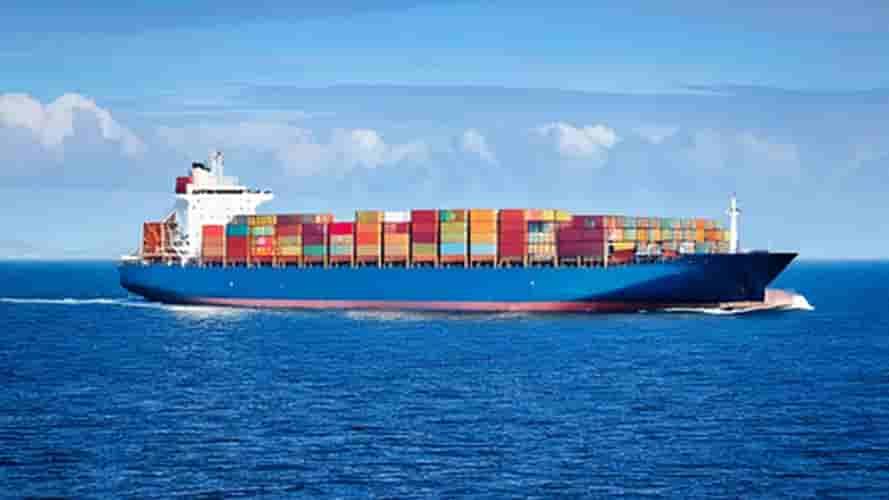
Seafood exports have more than doubled over the past decade, rising from ?30,213 crore in 2013-14 to ?62,408 crore in 2024-25. The growth was largely driven by shrimp exports, which alone were valued at ?43,334 crore.
India now exports over 350 varieties of seafood to nearly 130 countries. The United States accounted for 36.42 per cent of the total export value in 2024-25, followed by China, the European Union, Southeast Asia, Japan and the Middle East.
The share of value-added products in the export basket has also increased from 2.5 per cent to 11 per cent, amounting to $742 million.
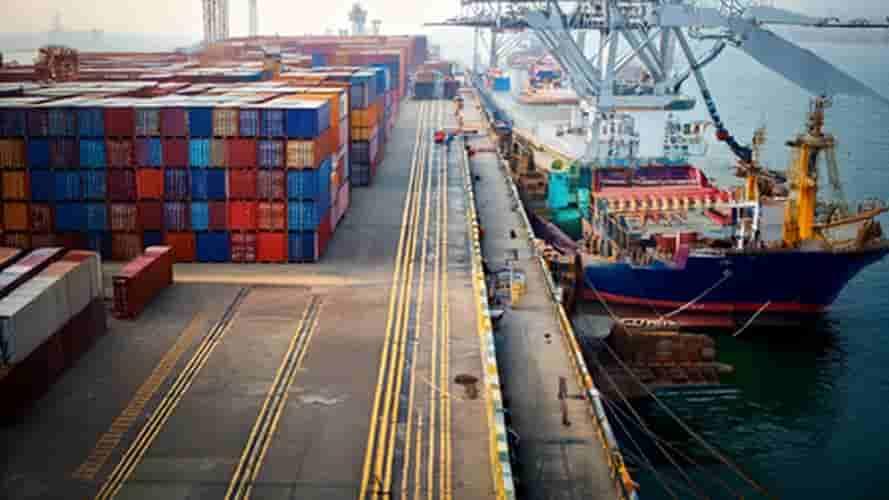
To diversify exports and reduce reliance on a few commodities, the government is promoting high-value species such as tuna, seabass, cobia, mud crab, tiger shrimp and seaweed under the Pradhan Mantri Matsya Sampada Yojana. Investments are also being made in cold-chain networks, modern fishing harbours and digital traceability systems.
India secured a comparability finding from US authorities in 2025 under the Marine Mammal Protection Act, ensuring uninterrupted seafood exports to its largest market. Deployment of Turtle Excluder Devices on shrimp trawlers is also being expanded across coastal states.
On the regulatory front, the Sanitary Import Permit system has been fully digitised and integrated with the National Single Window System, reducing approval time from 30 days to 72 hours.
Over the next five years, the government aims to expand value-added exports, develop inland export hubs and strengthen India’s presence in markets such as the UK, EU, ASEAN and West Asia.
With inputs from IANS




© Copyright
Reporter Post.All Rights Reserved |
Powered by: Aptilogic Software |
 |
Page rendered in 0.0155 seconds.
|
Page rendered in 0.0155 seconds.