Thu, October 15, 2026

New Delhi — A sharp surge in industrial metal prices, driven by tight supply conditions and strong global demand, is beginning to impact household goods prices, increasing cost pressures for consumers. Key metals such as copper, aluminium, and nickel have registered significant gains in recent months.
Aluminium has crossed the $3,000-per-tonne threshold for the first time in more than three years, while copper is trading close to record highs, rising beyond the $12,000-per-tonne mark. The steep increase has made it increasingly difficult for household appliance manufacturers to absorb higher input costs, leading to upward pressure on prices of consumer products.
Copper-heavy items such as air conditioners, kitchen appliances, bath fittings, and cookware have become more expensive to produce, directly affecting household budgets. On the Multi Commodity Exchange (MCX), copper recently touched Rs 1,300 per kg, reflecting a rise of over 6 per cent. Industry reports indicate that manufacturers are planning price hikes in the range of 5–8 per cent to safeguard margins.
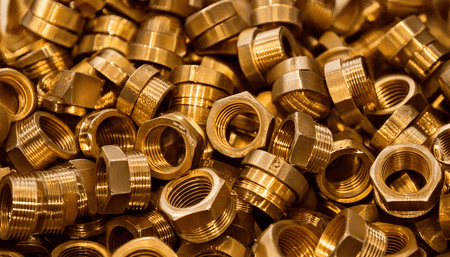
Bathware manufacturers are facing additional strain as brass, a copper-based alloy, has recorded double-digit price increases since the beginning of the current financial year.
The rally in aluminium prices is being attributed to structural supply constraints, including restrictions on smelting capacity in China and reduced production in Europe due to persistently high energy costs. At the same time, long-term demand from construction, renewable energy, and large-scale infrastructure projects continues to remain strong.
Copper has posted its biggest annual gain since 2009, supported by repeated supply disruptions. Mining accidents in Indonesia, Chile, and the Democratic Republic of the Congo, along with labour unrest at a major mine in Chile, have tightened global supplies. Trade-related uncertainties have also led to accelerated shipments to the United States, further straining availability.
Nickel prices have also moved higher after Indonesia, the world’s largest producer, signalled plans to curb output. In addition, a temporary shutdown at a PT Vale Indonesia mine has raised short-term supply concerns, according to reports.
The broader rally in industrial metals has been supported by falling interest rates, a weaker US dollar, and optimism around an economic recovery in China. Analysts note that investor interest is increasingly shifting toward industrial commodities from traditional safe havens such as gold and silver. Heavy spending on artificial intelligence infrastructure and energy transition projects is also providing strong tailwinds to metal prices.
Meanwhile, the Ministry of Mines has implemented a series of policy reforms aimed at modernising India’s mining sector and strengthening the country’s mineral security, the government informed earlier this week.
With inputs from IANS



© Copyright
Reporter Post.All Rights Reserved |
Powered by: Aptilogic Software |
 |
Page rendered in 0.0123 seconds.
|
Page rendered in 0.0123 seconds.