Wed, October 14, 2026

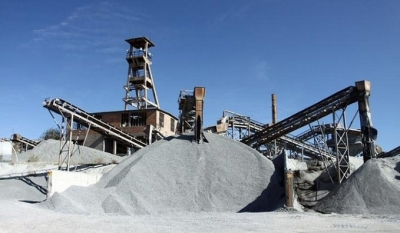
New Delhi - Cement manufacturers are likely to see their profitability increase by 2.5–3.5 per cent this fiscal year, supported by stronger realisations due to rising volumes, premiumisation, and stable selling prices and input costs, according to a report released on Tuesday.
Even though the reduction in goods and services tax (GST) from 28 per cent to 18 per cent is expected to put downward pressure on retail prices, higher demand and increased sales of premium products will help offset the impact, the Crisil Intelligence report said.
Cement demand is projected to grow 6.5–7.5 per cent year-on-year, compared to 5 per cent growth last fiscal. While the first half of this fiscal saw moderate growth of 5 per cent, the second half is expected to deliver a stronger 8–9 per cent rise, driven by pent-up demand and improved liquidity in the market.
Crisil’s analysis of 14 major cement companies, which together account for nearly 85 per cent of the sector’s revenue, shows that average pan-India prices will remain stable in the range of ?354–?359 per 50-kg bag.
“The average pan-India cement prices recorded a modest 3 per cent year-on-year rise in the first half,” said Sehul Bhatt, Director, Crisil Intelligence.
“However, we expect the full impact of the GST reform to be felt in the third quarter, resulting in a 4–5 per cent drop in retail prices in the second half. Despite softer prices, the industry will see better realisations this fiscal due to strong volume growth,” Bhatt added.
Excluding GST, cement prices are expected to rise 3–4 per cent year-on-year in the upcoming quarter. However, the GST cut will pull down overall retail prices, the report noted.
Cement makers saw a 5 per cent rise in realisations in the first half of the fiscal. This pace is expected to moderate to 0–2 per cent in the second half.
Raw material costs are likely to remain high owing to increased limestone prices. Crisil forecasts operating margins to expand to 18–20 per cent, up from about 16 per cent last fiscal, as overall expenses are expected to stay stable.
—With inputs from IANS



© Copyright
Reporter Post.All Rights Reserved |
Powered by: Aptilogic Software |
 |
Page rendered in 0.0102 seconds.
|
Page rendered in 0.0102 seconds.