Wed, October 14, 2026


New Delhi: India’s economy grew by 8.2 per cent in the July–September quarter, marking the fastest expansion in six quarters, even as steep US tariffs posed challenges. According to a report by India Narrative, the strong performance signals that the era of economic pressure through tariffs is fading.
Despite tariff-driven setbacks in shipments to the US, India’s total merchandise and services exports increased by 5–6 per cent during the quarter. This resilience was attributed to export diversification and effective policy measures.
The report highlighted that production-linked incentive (PLI) schemes have transformed India’s industrial landscape. By attracting assembly lines for phones, pharmaceuticals, and solar panels, the incentives helped shift the country from being an importer to becoming an exporter. Factories traditionally dependent on American buyers redirected their output seamlessly to new global markets.
Major infrastructure upgrades also played a significant role. With road networks doubling and airports tripling, logistics costs have fallen sharply, enabling Indian companies to stay competitive despite tariff disadvantages. Fiscal discipline—controlling deficits while maintaining capital expenditure—stabilised interest rates and attracted foreign investments amid global uncertainty.
While exports to the United States, which accounts for about one-fifth of India’s outbound shipments, fell by double digits following tariff hikes, overall exports still rose. This was supported by strong demand from the Gulf, Europe, Africa, and East Asia.
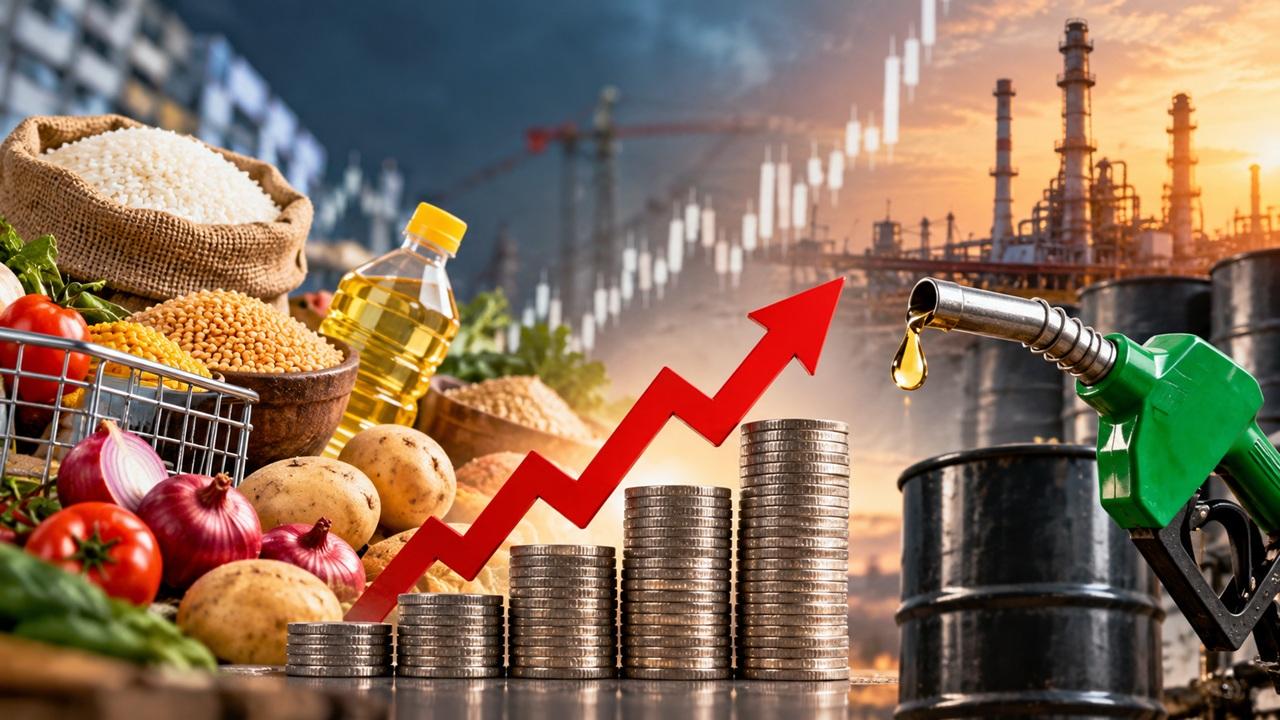
India’s GDP growth surpassed economists’ expectations of 7.9 per cent and marked a strong rebound from the 5.6 per cent growth recorded in the same quarter last year. Nominal GDP grew nearly 9 per cent, thanks to easing inflation.
Sector-wise performance included:
Manufacturing: up over 9%
Construction: up over 7%
Financial and real estate services: double-digit growth
Agriculture: modest mid-single-digit expansion
According to the report, the current boom is driven primarily by manufacturing and urban demand rather than agriculture or monsoon-related factors.
The analysis concluded that India’s earlier dependence on the US has significantly reduced, allowing the country to withstand external economic pressures. With robust consumption and a strengthening manufacturing sector, India is now better positioned to negotiate on issues such as digital taxes, trade agreements, and defence cooperation.
With inputs from IANS



© Copyright
Reporter Post.All Rights Reserved |
Powered by: Aptilogic Software |
 |
Page rendered in 0.0116 seconds.
|
Page rendered in 0.0116 seconds.