Mon, October 19, 2026

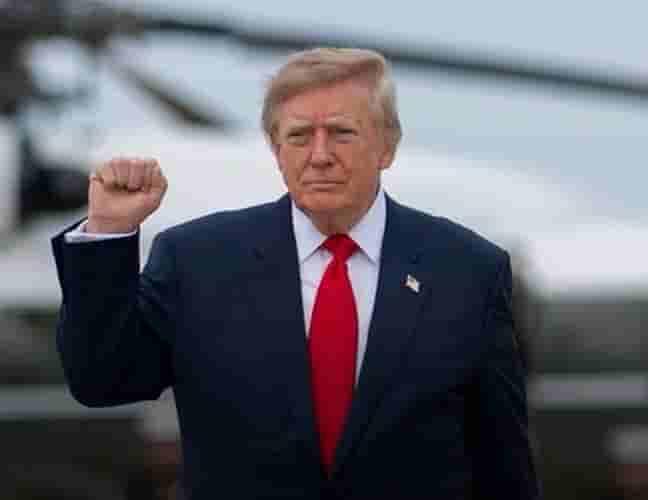
Photo: IANS
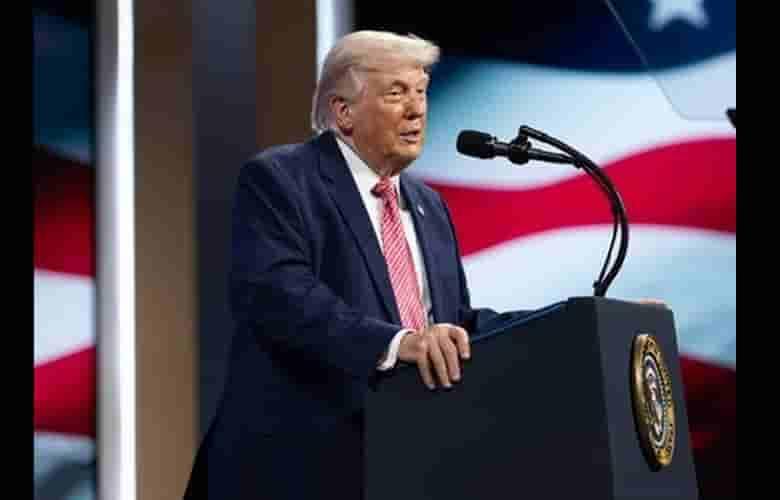
US President Donald Trump has defended his decision to suspend the implementation of sweeping new sanctions and tariffs targeting Russia and major buyers of Russian energy, saying he does not want to jeopardise negotiations aimed at ending the war in Ukraine.
Trump’s explanation came two days after he signed an executive order waiving key provisions of the Lindsey O. Graham Sanctioning Russia and Iran Act of 2026, including additional tariffs that could have affected India because of its purchases of Russian oil.
In a post on Truth Social, Trump said his administration was making progress towards a negotiated settlement and warned that imposing fresh economic penalties could drive Moscow away from the negotiating table.
“I am in the process of negotiating Peace in the war between Russia and Ukraine, and don’t want to do anything that will drive, foolishly, Russia away from the bargaining table,” he wrote.
Trump also cited developments involving Iran and international energy markets in defending his decision. He argued that Russia was providing less assistance to Iran than it potentially could and said he wanted to preserve that situation.
The President also criticised Ukrainian attacks on Russian diesel refineries, arguing that disruptions to fuel supplies were affecting consumers and businesses beyond the immediate conflict zone.
Under the executive order signed on Friday, the administration formally provided for tariffs of up to 500 per cent on certain Russian goods and 100 per cent on goods from the five largest importers of Russian crude oil and natural gas, subject to statutory conditions.
However, the order waived the application of those additional duties and most of the new sanctions provisions. The decision does not lift existing US sanctions against Russia imposed under earlier executive orders.
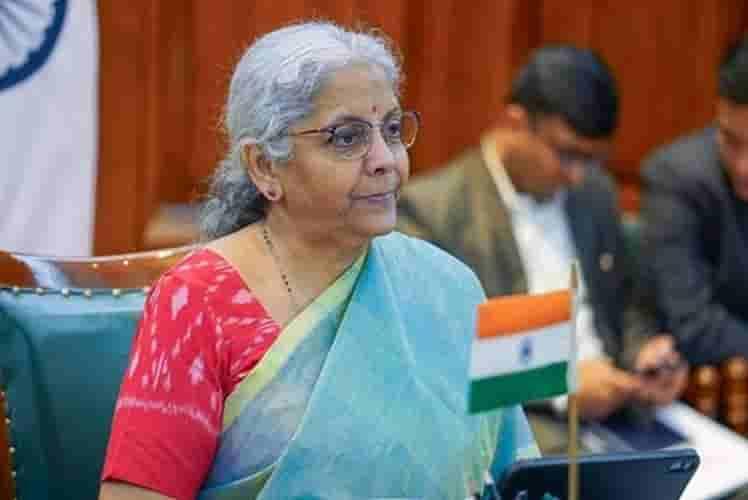
For India, the waiver is significant because its purchases of Russian energy could have exposed it to additional US tariffs under the legislation. With the new duties suspended, those additional penalties are not being applied under the order at present.
US Secretary of State Marco Rubio said on Saturday that the administration needed time to assess the broader economic implications of the proposed measures. He specifically identified India among the countries that could be affected.
Rubio indicated that Trump wanted to use a period of up to 60 days to evaluate the potential consequences for the global economy and the United States before deciding on further action.
The order provides for the waivers to remain in effect until the President or the Secretary of State, following the required consultations, determines that further action is appropriate.
The decision has drawn criticism from lawmakers who favour tougher economic pressure on Moscow. Members of both the Republican and Democratic parties have questioned whether suspending the measures could weaken Washington’s leverage over Russia while the conflict in Ukraine continues.
The White House, however, has defended the move as part of the administration’s efforts to secure a negotiated settlement.
Trump’s latest remarks also reflect continuing differences between Washington and Ukrainian President Volodymyr Zelensky over the conduct of the war and its economic consequences.
Signed into law on September 18, the Graham Act was designed to increase economic pressure on Russia through sanctions, restrictions and tariffs, including measures targeting countries that purchase Russian energy. It also authorises the President to waive specified provisions after certifying to Congress that doing so serves US national interests.
The suspension leaves the administration with room to pursue diplomatic efforts while retaining the option of imposing additional economic penalties if negotiations fail to produce the desired outcome.



© Copyright
Reporter Post.All Rights Reserved |
Powered by: Aptilogic Software |
 |
Page rendered in 0.1412 seconds.