Sat, October 17, 2026

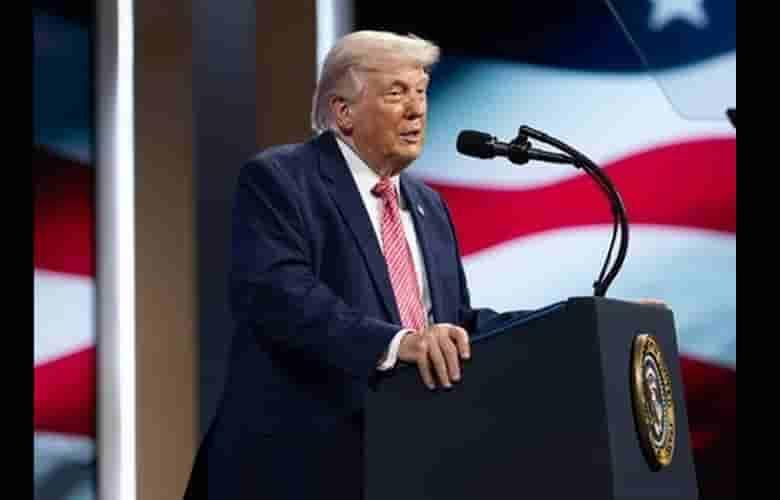
Photo: IANS
US President Donald Trump has suspended the implementation of sweeping tariff penalties against countries buying Russian oil, offering potential relief to major importers such as India and China just a day before the statutory deadline for the measures to take effect.
An executive order signed by Trump on Friday and published by the White House later that evening implements the Lindsey O. Graham Sanctioning Russia and Iran Act of 2026, which he signed on September 18. The legislation provides for additional duties of up to 100 per cent on goods from major buyers of Russian oil and gas, with the deadline falling on October 18.
Under the order, goods from the five largest importers of Russian-origin crude oil and natural gas would face an additional 100 per cent duty if those countries knowingly make new purchases of Russian oil or gas on or after October 18. The same increase applies to goods from the five leading facilitators of sanctions evasion involving Russian oil, while duties on Russian goods would rise by 500 per cent.
However, a separate provision in the order immediately waives the application of these duties, along with most of the law's sanctions against foreign individuals and entities.
The waivers will remain in force until Trump or the Secretary of State, in consultation with the Treasury Secretary and the US Trade Representative where appropriate, determines that further action is necessary.
The order does not identify any country by name. Trump said he had submitted the certification required by law to Congress, stating that the waivers were in the national interest of the United States, along with a report explaining the basis for the decision. Neither document has been made public.
Despite the suspension, Washington has retained the option of imposing penalties later. The US Trade Representative, working with the Secretaries of State, Treasury and Energy, has been directed to monitor countries' purchases of Russian-origin oil and gas and alert the President to developments that could warrant further action. The office must also identify the leading facilitators of sanctions evasion involving Russian oil.
The order makes clear that existing US sanctions against Russia remain unaffected. It also delegates much of the authority under the new law, including the power to grant waivers, to senior administration officials, with the Secretary of State assuming a central role.
The decision is significant for India, one of the largest buyers of Russian crude oil. New Delhi's purchases have been a point of contention in its trade negotiations with Washington.
In February, the US removed an additional 25 per cent duty on Indian goods linked to India's Russian oil purchases as part of a trade framework that reduced the reciprocal tariff on Indian goods from 25 per cent to 18 per cent. The two countries are also nearing the finalisation of the first tranche of a bilateral trade agreement.
The latest waiver comes amid continuing debate in Washington over how strongly the United States should pressure countries purchasing Russian energy. In a bipartisan letter dated Thursday, Republican Congressman Michael McCaul and Democratic Congressman Jim Costa urged Trump to implement the law fully by the deadline. They argued that any waiver should be narrow, time-limited and linked to measurable reductions in support for Russia's war.
The open-ended nature of the waivers in Friday's order leaves the administration with considerable discretion over whether and when to reinstate the penalties.
Meanwhile, US Secretary of State Marco Rubio is scheduled to visit Samarkand, Mumbai and Jamnagar from October 17 to 22. He is due to meet External Affairs Minister S. Jaishankar in Mumbai on October 20 and visit the Jamnagar refinery complex, one of the world's largest refining hubs.
Rubio's visit comes at a crucial stage in India-US trade discussions, with energy purchases and tariff arrangements remaining important issues in the broader bilateral relationship.




© Copyright
Reporter Post.All Rights Reserved |
Powered by: Aptilogic Software |
 |
Page rendered in 0.0112 seconds.
|
Page rendered in 0.0112 seconds.