Fri, May 01, 2026

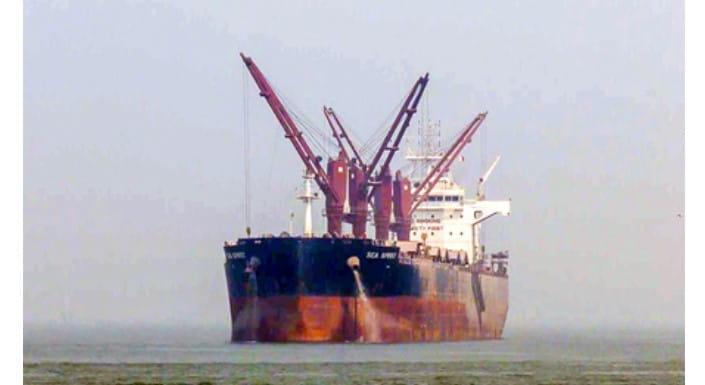
A fresh US push to choke Iran’s oil revenues is beginning to ripple beyond Tehran, with China’s access to discounted Iranian crude also taking a hit, according to a recent media report.
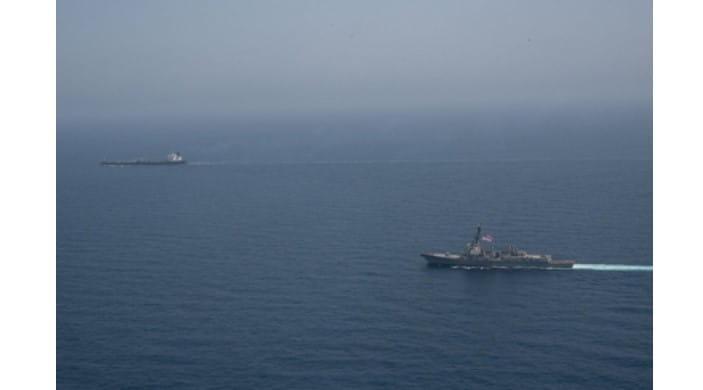
The developments centre on actions by the United States Navy and expanded sanctions targeting Iran’s covert oil trade infrastructure. While a ceasefire has temporarily eased direct conflict, economic pressure on Iran continues to intensify.
An article by Sky News Australia highlights how Iran, particularly through the Islamic Revolutionary Guard Corps (IRGC), has long relied on an elaborate system of shell companies, disguised oil tankers, and informal financial channels to bypass Western sanctions.
Until recently, US efforts focused on disrupting individual components of this network. The latest strategy, however, aims to dismantle the entire ecosystem—targeting not just shipments, but also the financial and logistical backbone supporting the trade.
China has been a key player in this arrangement. Its smaller independent refineries—often referred to as “teapot refineries”—have been major buyers of Iranian oil, purchasing it at significant discounts. These transactions were reportedly routed through complex payment structures involving third countries and shadow banking systems, allowing funds to flow despite sanctions.
The report also suggests that these mechanisms served a dual purpose for China—not only securing cheaper energy supplies but also testing financial workarounds that could be deployed more broadly if needed to counter future sanctions.
Additionally, a fleet of so-called “ghost tankers,” operating under false identities, has been used to transport Iranian crude to Chinese buyers. One such recipient mentioned is Hengli Petrochemical, which reportedly received large volumes of oil through these channels.
However, the latest US action has dealt a significant blow to this system. Washington has imposed sanctions on 35 entities and individuals linked to Iran’s shadow banking network, alongside targeting 19 vessels associated with the covert oil trade. Companies involved in facilitating these shipments, including those paying transit-related fees linked to strategic routes like the Strait of Hormuz, have also come under scrutiny.
The crackdown signals a broader attempt by the US to tighten enforcement and disrupt not just Iran’s oil exports, but also the global networks enabling them—potentially reshaping energy trade dynamics in the process.
With inputs from IANS




| 14-09-2018 | ||||||
| Sl No. | Parameters | Actual Data(µg/m3) | Standard Limit(µg/m3) |
|---|---|---|---|
| 1 | PM 10 | 64 | 100 |
| 2 | PM 2.5 | 33 | 60 |
| 3 | SO2 | 55.3 | 80 |
| 4 | NO2 | 58.2 | 80 |
| 14-09-2018 | ||||||
| Station | Temperature(degree centigrade) | Rainfall(mm) | Relative humidity(%) | |||
|---|---|---|---|---|---|---|
| Max | Min | Past 24 hrs. | Since 1st March, 2018 | Max | Min | |
| Ranchi | 31.0 | 22.5 | 000.0 | 1010.1 | 95 | 66 |
| Jamshedpur | 34.1 | 26.2 | 000.0 | 1252.8 | 87 | 58 |
| Bokaro | 33.5 | 24.6 | 015.2 | 824.0 | 92 | 79 |
| Daltonganj | 32.6 | 24.9 | 004.2 | 960.9 | 95 | 67 |
© Copyright
Reporter Post.All Rights Reserved |
Powered by: Aptilogic Software |
 |
Page rendered in 0.0988 seconds.
|
Page rendered in 0.0988 seconds.