Sat, October 10, 2026

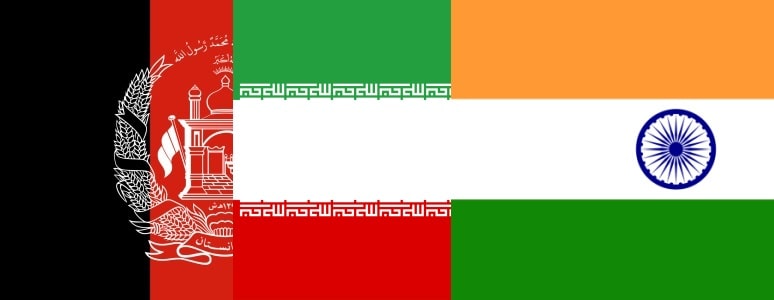
Representational Pic
India, Iran and Afghanistan on Tuesday agreed to strengthen economic and security cooperation, including work on the strategic Chabahar port, despite growing tensions between Washington and Tehran over fresh US sanctions against Iran.
The agreement came during the first trilateral meeting between the three countries, held in Kabul. The discussions covered economic cooperation, counter-terrorism, counter-narcotics and continued support for Afghanistan's peace and reconciliation efforts.
"The meeting focused on consolidating economic cooperation, including Chabahar, as well as enhancing cooperation on counter-terrorism, counter-narcotics, and continuing support to the peace and reconciliation process that is led and owned by Afghanistan," the three countries said in a joint statement.
The sides also agreed to hold their next round of consultations in India in 2019, with the date to be decided later.
The meeting was chaired by Afghan Deputy Foreign Minister Hekmat Khalil Karzai. India was represented by Foreign Secretary Vijay Gokhale, while Iranian Deputy Foreign Minister Abbas Araghchi led the Iranian delegation.
The trilateral dialogue assumes significance as India faces a difficult balancing act between its strategic ties with the US and its longstanding economic and connectivity interests involving Iran.
Washington has been pushing countries to reduce imports of Iranian crude to zero as part of its sanctions policy against Tehran. India, however, has traditionally been one of Iran's major oil customers and has important strategic investments in the country.
US and Indian officials had already begun expert-level discussions on the possible impact of the sanctions on India's Iranian oil imports. During a media briefing following the India-US 2+2 Ministerial Dialogue, US Principal Deputy Assistant Secretary of State for South and Central Asian Affairs Alice Wells said Washington was working with its partners to avoid disruptions in global energy supplies.
The US sanctions have also raised concerns over the future of the Chabahar port project, which is being developed with the participation of India, Iran and Afghanistan.
For India, Chabahar is strategically important because it provides an alternative route to Afghanistan that bypasses Pakistan. The port is also expected to strengthen India's connectivity with Afghanistan and Central Asia and play a role in the International North-South Transport Corridor.
The project therefore has significance beyond trade, offering India a strategic gateway into Afghanistan and onward access to Central Asian markets.
Wells said the US had heard India's explanation of Chabahar's importance during the India-US 2+2 talks, particularly its role in providing Afghanistan with an alternative trade route and improving regional connectivity.
The Kabul meeting highlighted the three countries' effort to keep their regional connectivity and security cooperation moving forward despite wider geopolitical pressures. For India, maintaining the Chabahar project while managing its relationship with Washington remains a key foreign policy challenge.



© Copyright
Reporter Post.All Rights Reserved |
Powered by: Aptilogic Software |
 |
Page rendered in 0.0102 seconds.
|
Page rendered in 0.0102 seconds.