Sat, October 10, 2026

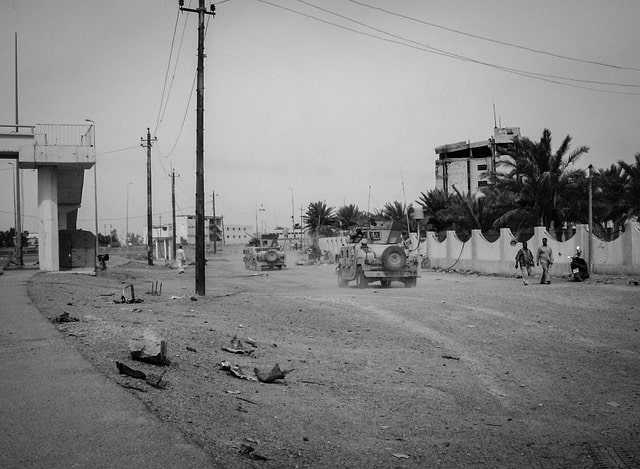
Representational Pic
At least 15 people have been killed and 190 others injured during violent protests in Iraq's southern Basra province, with demonstrators demanding better living conditions and action against corruption, unemployment and failing public services.
Iraqi Health Ministry spokesperson Sayf Bader said on Saturday that the casualties included both protesters and security personnel. Most of those injured have received medical treatment and were subsequently discharged from hospitals across Basra province, Xinhua news agency reported.
The protests, which intensified over the past week, have seen hundreds of people take to the streets. Demonstrators reportedly set fire to provincial government buildings, offices of major political parties and headquarters linked to some Shiite militias.
The unrest has been fuelled by a combination of economic and public-service problems. Residents have complained about widespread corruption, high unemployment, frequent power cuts and deteriorating infrastructure.
One of the most serious concerns is the quality of drinking water. Water supplies in Basra are affected by high levels of salinity, with thousands of people reportedly requiring hospital treatment after falling ill.
The deteriorating security situation has also raised concern among humanitarian organisations. The International Committee of the Red Cross (ICRC) called for restraint and expressed particular concern over civilian deaths and the reported use of firearms during attempts to control the demonstrations.
Basra, a major oil-producing region and home to more than two million people, has long faced demands for improved public services despite its importance to Iraq's economy.
Protesters have blamed powerful political parties for the continuing problems, alleging that corruption and political disputes have prevented meaningful investment in electricity, water supply and other essential infrastructure.
The latest violence highlights the growing frustration among residents over the gap between Basra's economic importance and the basic services available to its population.



© Copyright
Reporter Post.All Rights Reserved |
Powered by: Aptilogic Software |
 |
Page rendered in 0.012 seconds.
|
Page rendered in 0.012 seconds.