Tue, November 10, 2026

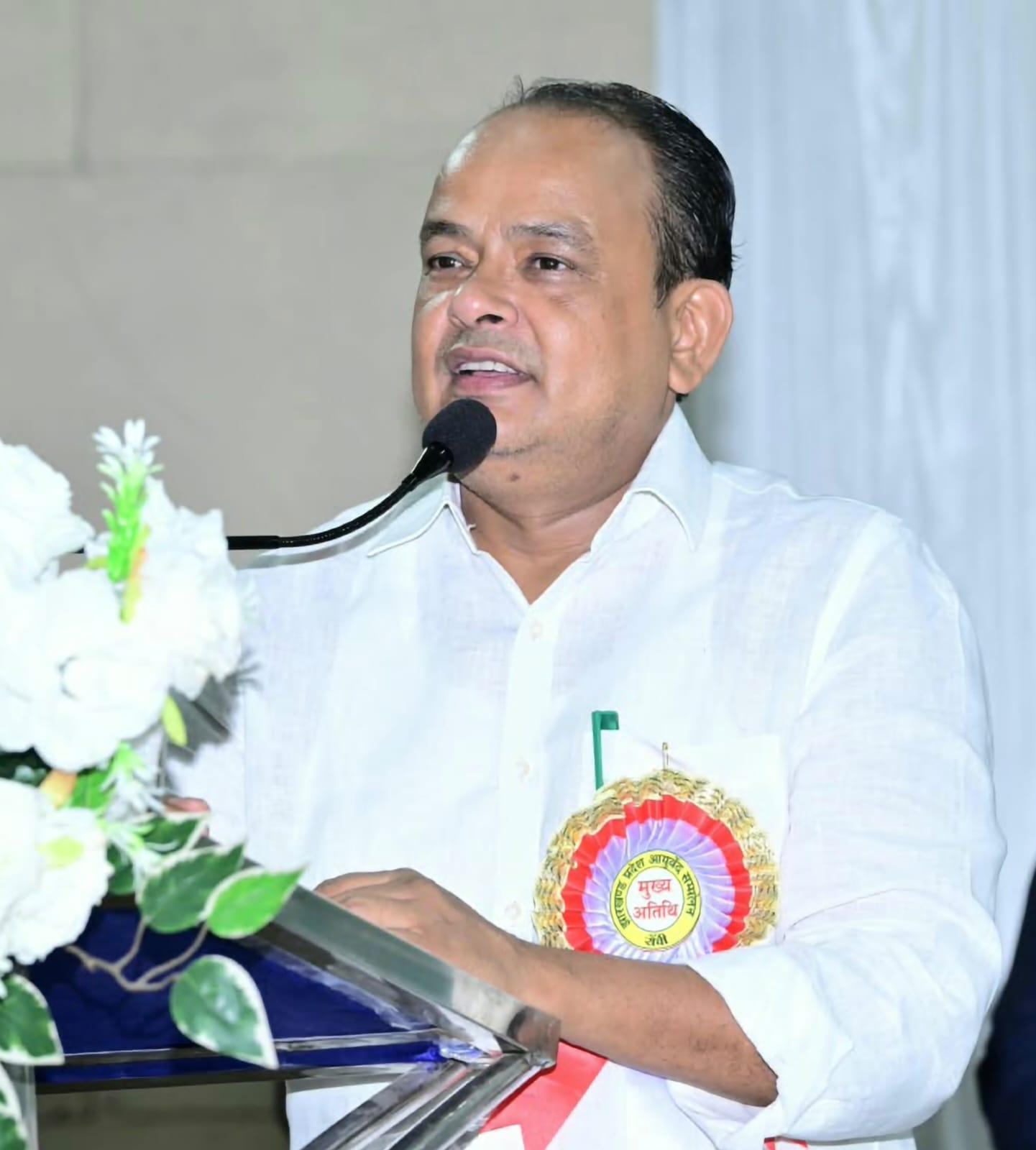
Jharkhand Health Minister Dr Irfan Ansari has announced initiatives aimed at reducing the financial burden on cancer patients and improving cancer screening and treatment facilities across the state.
The initiatives focus on two major areas: ensuring that patients benefit from reduced prices of cancer medicines and strengthening diagnostic facilities at district-level hospitals.
The Health Minister said that financial difficulties should not prevent anyone from receiving treatment for a serious illness like cancer. He pointed out that many poor and middle-income families struggle to afford expensive medicines, with some even forced to sell their savings, land and other assets to meet treatment costs.
The National Pharmaceutical Pricing Authority (NPPA), under the Government of India's Department of Pharmaceuticals, decided on October 17, 2026, to cap trade margins at a maximum of 30 per cent on 137 non-scheduled cancer medicines. The new arrangement came into effect on November 9, 2026.
Under this decision, the maximum retail prices (MRPs) of several cancer medicines are expected to decline substantially. Depending on the medicine, the price reduction could range from 50 to 75 per cent, with some medicines witnessing even higher reductions.
Dr Irfan Ansari welcomed the decision and said steps were being taken to ensure its effective implementation in Jharkhand. The state is working towards preparing a Standard Operating Procedure (SOP) and issuing necessary instructions to officials, hospitals, pharmaceutical companies and medicine retailers so that the benefits reach patients directly.
Two medicines highlighted in the announcement include:
PALBACE PRO (Palbociclib): The previously quoted price was around ?41,000, while the revised quoted price is ?2,700. It is used in the treatment of certain types of breast cancer.
ABIROW (Abiraterone): Its previously quoted price was around ?45,000, while the revised quoted price is ?4,000. It is used in prostate cancer treatment.
The actual prices will depend on the medicine's strength, pack size and revised MRP. These reductions are expected to provide significant financial relief to patients and their families.
Dr Irfan Ansari said he had previously taken up the issue of expensive cancer medicines with the Central Government. During a video conference with the Union Health Minister, he highlighted Jharkhand's economic challenges and the difficulties faced by patients who cannot afford costly medicines.
He pointed out that high medicine prices place an additional financial burden on poor families and stressed the need for effective price regulation.
Welcoming the Centre's latest decision, he said the priority now is to ensure proper implementation across Jharkhand so that no patient is charged more than the prescribed MRP.
Alongside reducing medicine costs, the state is also working towards improving cancer diagnosis facilities. The Health Minister has proposed making CT Scan and PET Scan machines available at Sadar Hospitals in all districts.
The plan also focuses on strengthening cancer screening at the district level so that the disease can be detected at an early stage and treatment can begin without unnecessary delays.
Dr Ansari said that poor patients should not have to travel to Ranchi or other major cities for advanced cancer investigations. His objective is to make modern diagnostic facilities accessible within their respective districts.
He emphasised that early detection and timely treatment are essential in improving cancer care outcomes.
The Health Department is also focusing on expanding cancer screening programmes, particularly for breast and cervical cancer among women.
Efforts are being made to identify suspected cases at the district level and connect patients with specialised hospitals. The aim is to ensure that necessary investigations are completed and treatment begins as early as possible.
Dr Irfan Ansari said that Chief Minister Hemant Soren has emphasised providing accessible, affordable and quality healthcare to every citizen of Jharkhand.
The Health Minister reiterated that his priority is to ensure that no patient is deprived of treatment due to financial difficulties.
He added that efforts are being made not only to reduce the cost of cancer medicines but also to improve diagnostic infrastructure and healthcare services across the state.
The government aims to strengthen the healthcare system through better facilities, early diagnosis and affordable treatment, with a particular focus on economically weaker families.



© Copyright
Reporter Post.All Rights Reserved |
Powered by: Aptilogic Software |
 |
Page rendered in 0.0099 seconds.