Sun, September 27, 2026

Iran has announced a major breakthrough in its relations with the United States, with senior officials confirming an agreement to halt military operations and move towards a formal peace framework that could reshape regional dynamics.
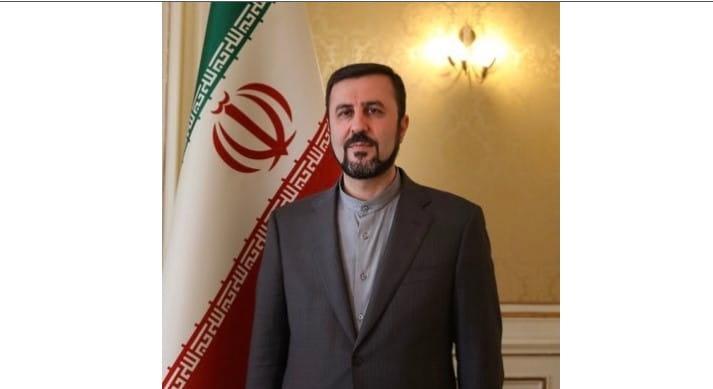
Iranian Deputy Foreign Minister for Legal and International Affairs Kazem Gharibabadi said the US naval blockade imposed on Iran would be lifted from Monday night, while military operations on all fronts, including Lebanon, would come to an immediate and permanent end.
According to Gharibabadi, Iran and the United States are scheduled to sign a final peace Memorandum of Understanding (MoU) in Switzerland on June 19, marking the culmination of intensive diplomatic efforts between the two countries.
Iran's semi-official Tasnim News Agency, citing informed sources, reported that the strategically crucial Strait of Hormuz would also be reopened following the signing ceremony. The waterway is one of the world's most important oil transit routes, carrying a significant share of global crude exports.
Iran's state broadcaster IRIB reported that Tehran's participation in a proposed 60-day negotiation process with Washington over its nuclear programme and sanctions relief would depend on the United States honouring a series of preliminary commitments. Iranian authorities are expected to verify those commitments before formally entering the next phase of talks.
Earlier, Pakistani Prime Minister Shehbaz Sharif announced through social media that Washington and Tehran had reached a peace agreement after extensive negotiations. He stated that both countries had agreed to an immediate and permanent cessation of military operations across all fronts and that mediators would facilitate follow-up meetings aimed at implementing the agreement.
Shortly afterwards, US President Donald Trump declared that the US-Iran peace agreement had been completed. He also announced the reopening of the Strait of Hormuz and the immediate removal of the naval blockade on Iranian ports.
Despite the apparent breakthrough, questions remain regarding the agreement's regional implications. Israeli media reports suggested that Israeli Prime Minister Benjamin Netanyahu informed President Trump during a phone conversation that Israel does not consider itself bound by provisions of the agreement related to Lebanon.
The development comes against the backdrop of heightened tensions in the region. Just hours before news of the agreement emerged, Iran's Supreme National Security Council had warned of a potential response to an earlier Israeli strike on Beirut.
Mohammad Bagher Zolghadr, secretary of the council, had stressed that Lebanon remained a critical strategic concern for Iran and warned against any actions crossing Tehran's declared red lines.
If implemented successfully, the agreement could mark one of the most significant diplomatic breakthroughs in the Middle East in recent years, potentially easing tensions, restoring key trade routes, and opening the door to broader negotiations on Iran's nuclear programme and international sanctions.
With inputs from IANS



© Copyright
Reporter Post.All Rights Reserved |
Powered by: Aptilogic Software |
 |
Page rendered in 0.0081 seconds.
|
Page rendered in 0.0081 seconds.