Sun, September 27, 2026

New Delhi: The Finance Ministry has cautioned that the possible emergence of El Nino conditions during the 2026 monsoon season could intensify inflationary pressures and impact agricultural output, even as the country enters the kharif season with robust food grain stocks and healthy reservoir levels.
In its Monthly Economic Review for May, the ministry noted that deficient rainfall linked to El Nino could quickly affect food prices, rural demand and overall economic growth, adding to inflation concerns already driven by elevated global energy prices.
The report, however, highlighted several positive indicators that could help cushion the economy against weather-related disruptions. Food grain inventories remain comfortable, with rice and wheat stocks held by the Food Corporation of India and state agencies standing at 817.53 lakh tonnes at the end of April 2026.
Reservoir levels are also significantly higher than normal, reaching 123.86 per cent of the decadal average, providing a strong starting position ahead of the monsoon season.
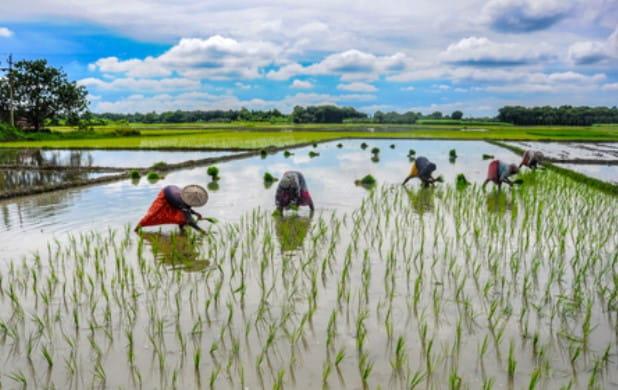
Summer crop sowing has shown encouraging growth as well, covering 83.08 lakh hectares compared to 80.01 lakh hectares during the same period last year.
The review pointed to forecasts by the India Meteorological Department (IMD), which indicate a likely shift from ENSO-neutral conditions to El Nino during the 2026 southwest monsoon. Rainfall is projected at around 92 per cent of the Long Period Average, with a considerable possibility of below-normal precipitation depending on interactions with other climatic factors.
Historically, rice production in India has remained relatively stable during strong El Nino years due to extensive irrigation facilities in major producing states. However, pulses and oilseeds have proven more vulnerable because they are largely cultivated in rain-fed regions and are highly dependent on favourable monsoon conditions.
The ministry warned that reduced rainfall could lead to lower acreage, weaker yields and a decline in production of these crops, potentially driving up prices.
The livestock and dairy sectors may also face challenges, including fodder shortages, higher feed costs and lower milk production.
On the demand side, the report observed that economic activity remains resilient. Automobile sales continue to register healthy growth across categories, including two-wheelers, three-wheelers, passenger vehicles, commercial vehicles and tractors.
However, domestic air passenger traffic declined by 1.3 per cent year-on-year, suggesting some moderation in consumer demand.
The review noted that if monsoon conditions weaken and economic activity slows, consumption demand could face additional pressure in the months ahead.
Overall, while strong food stocks and water reserves offer a degree of protection against weather-related shocks, the Finance Ministry has flagged El Nino as a key risk factor that could influence inflation, agricultural performance and economic momentum during the current financial year.
With inputs from IANS



© Copyright
Reporter Post.All Rights Reserved |
Powered by: Aptilogic Software |
 |
Page rendered in 0.0088 seconds.
|
Page rendered in 0.0088 seconds.