Mon, September 28, 2026

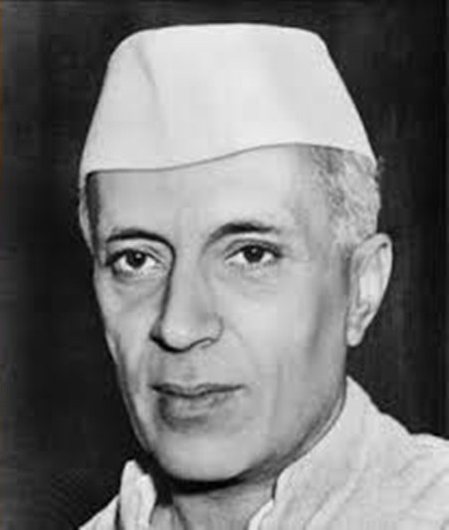
New Delhi: Prime Minister Narendra Modi on Tuesday paid tribute to India’s first Prime Minister, Pandit Jawaharlal Nehru, on his death anniversary.
Taking to social media platform X, PM Modi wrote, “Tributes to our former PM, Pandit Jawaharlal Nehru on his death anniversary.”
Born on November 14, 1889, in Allahabad to Swarup Rani and Motilal Nehru—a prominent lawyer and Congress leader—Pandit Nehru played a pivotal role in India’s independence movement and in shaping the nation after freedom was achieved.
During the 1920s, Nehru emerged as a key figure in Indian politics, leading the progressive movement within the Indian National Congress. With strong support from Mahatma Gandhi, who named him his political heir, Nehru became one of the central architects of modern India.
West Bengal Chief Minister Mamata Banerjee also paid her respects, posting on X: “My deepest respect to Late Jawaharlal Nehru, former Prime Minister of India, on his death anniversary. A great statesman and humanist, Pandit Nehru was the visionary architect of modern India. His ideas will continue to inspire all who cherish democracy.”
Maharashtra Deputy Chief Minister Ajit Pawar echoed similar sentiments, stating, “Remembering the visionary leader and the first Prime Minister of independent India, Pt. Jawaharlal Nehru, on his death anniversary. His contribution to nation-building remains unparalleled, laying the foundation of modern India.”
Sharad Pawar, chief of the Nationalist Congress Party (Sharad Pawar faction), also paid tribute, writing: “Pandit Jawaharlal Nehru, who laid the foundation for a scientific mindset, secular values, and democratic institutions, gave India a modern direction. His leadership remains a guiding light for the country.”
He further highlighted Nehru’s foreign policy achievements and commitment to inclusive development: “The balanced, independent, and self-respecting foreign policy he adopted post-Independence still commands study. He believed that development should uplift every section of society—not just increase numbers. At a time when fundamental values are under scrutiny, Nehru’s vision of democracy and modernity is more relevant than ever.”
Nehru became the interim Prime Minister in September 1946 and formally took office as the first Prime Minister of independent India on August 15, 1947. On that historic day, he delivered his iconic "Tryst with Destiny" speech and hoisted the national flag at the Red Fort.
As Congress President in 1929, Nehru famously called for complete independence from British rule, setting the course for India’s eventual freedom. In the years following Independence, he laid the foundations for India’s democratic institutions and helped define its global identity.
Nehru’s health began to deteriorate in the early 1960s. After a viral illness in 1962, his condition worsened, and on May 27, 1964, he passed away from a suspected heart attack. His body, draped in the national flag, was placed for public viewing, and the official announcement was made in the Lok Sabha at 2 p.m.
In recognition of his deep affection for children, Nehru’s birthday—November 14—is celebrated as Children’s Day in India, a lasting tribute to his enduring legacy.
With inputs from IANS



© Copyright
Reporter Post.All Rights Reserved |
Powered by: Aptilogic Software |
 |
Page rendered in 0.0076 seconds.
|
Page rendered in 0.0076 seconds.