Sun, October 25, 2026

Representational Pic
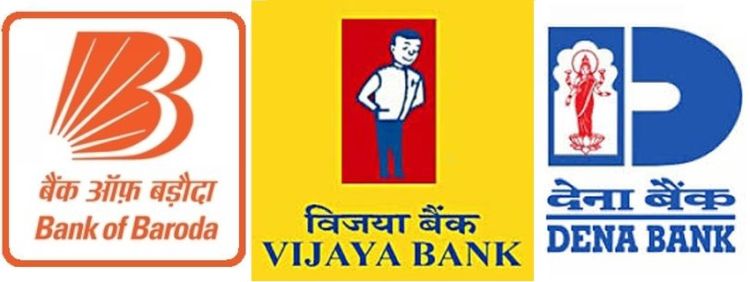
The government on Monday announced a three-way merger of state-run Bank of Baroda, Vijaya Bank and Dena Bank, in a move aimed at creating a stronger public sector lender with a combined business of Rs 14.82 lakh crore.
Finance Minister Arun Jaitley said the merger would create India's third-largest bank and give the combined entity greater capacity to compete, expand operations and participate in further consolidation of the banking sector.
The boards of the three banks have been asked to consider the merger proposal at the earliest. Until the respective boards approve the proposal and the amalgamation process is completed, the three lenders will continue to function independently.
Jaitley said the name of the merged entity would be decided by the banks as part of the formal scheme of amalgamation.
The decision was taken by the government's "alternative mechanism", which met on Monday under Jaitley's chairmanship. Ministers Piyush Goyal and Nirmala Sitharaman also attended the meeting.
The proposed merger comes amid the government's broader efforts to consolidate the public sector banking system and address the problem of mounting bad loans. It would be the second major consolidation exercise involving state-run banks in a little over a year.
In April 2017, five associate banks of State Bank of India and Bharatiya Mahila Bank were merged with SBI, creating a significantly larger lender.
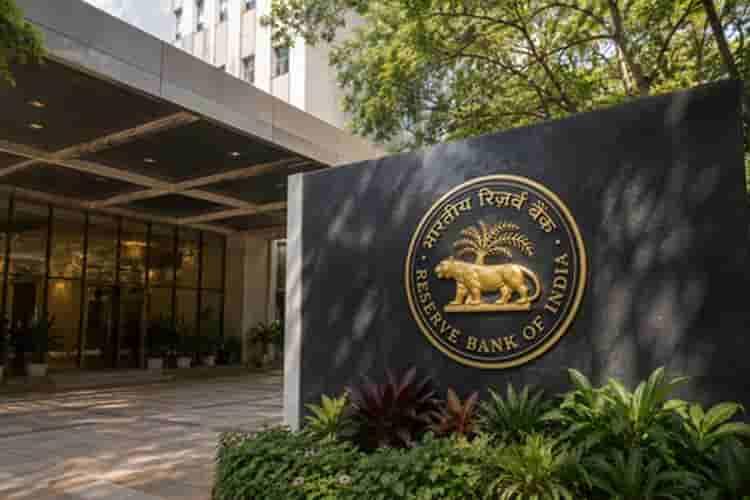
Explaining the rationale behind the latest proposal, Jaitley pointed out that Dena Bank was under the Reserve Bank of India's Prompt Corrective Action (PCA) framework because of its high level of non-performing assets (NPAs). He said the stronger financial position of the other banks would provide the combined entity with greater capacity to absorb the weaker lender.
The Finance Minister also said employees would not face adverse service conditions as a result of the merger.
The government had been considering consolidation of public sector banks for some time, but Jaitley said it had waited for the banking sector's bad-loan situation to begin improving before moving ahead.
Defending the government's handling of the NPA crisis, Jaitley disputed the Congress' claim that gross NPAs stood at Rs 2.5 lakh crore when the previous UPA government left office. He said an RBI-led asset quality review in 2015 revealed that the actual figure was around Rs 8.5 lakh crore.
According to Jaitley, banks had extended loans worth about Rs 18 lakh crore before 2008, while lending between 2008 and 2014 rose sharply to nearly Rs 55 lakh crore. He alleged that aggressive lending during that period was followed by practices such as evergreening of loans, which delayed recognition of bad assets.
The government subsequently introduced several measures to deal with stressed assets, including the Insolvency and Bankruptcy Code, which Jaitley described as a major change in the relationship between creditors and borrowers.
The proposed merger is expected to provide economies of scale, reduce duplication and allow the combined lender to make more effective use of its capital, technology and branch network. The government also sees the consolidation as a step towards creating public sector banks that can compete more effectively in the global banking system.
According to the government's assessment, the combined bank would have a net NPA ratio of 5.71 per cent, significantly below the public sector bank average of 12.13 per cent. Gross NPAs of the three banks had also begun to decline, falling by Rs 1,048 crore during the first quarter of the year.
The combined entity would have a capital adequacy ratio of 12.25 per cent, above the regulatory requirement of 10.875 per cent. The government said this stronger capital position would also improve the bank's ability to raise funds from the capital markets.
The proposed three-way merger therefore represents a significant step in the government's public sector banking reform programme, combining the balance sheets and operations of three lenders while attempting to strengthen their ability to manage bad loans, raise capital and support economic growth.



© Copyright
Reporter Post.All Rights Reserved |
Powered by: Aptilogic Software |
 |
Page rendered in 0.0098 seconds.
|
Page rendered in 0.0098 seconds.