Sat, October 24, 2026
Photo: IANS
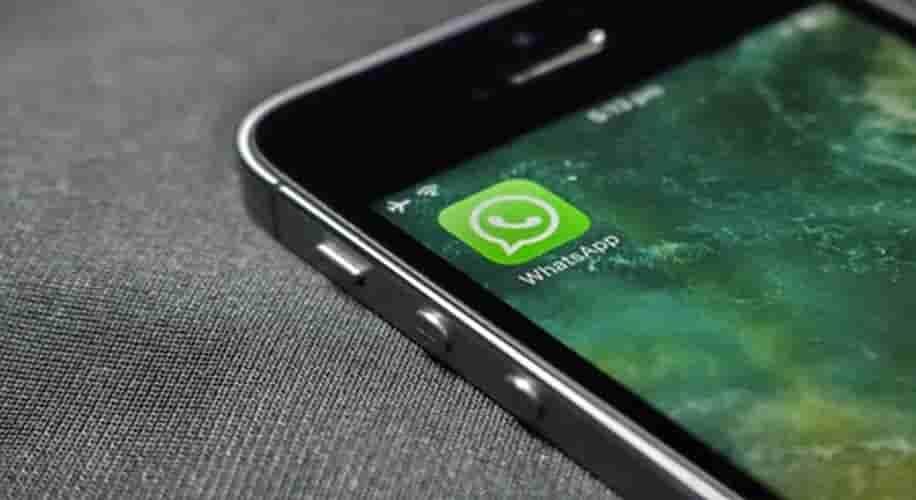
Users of WhatsApp, Telegram and other messaging platforms may need to change how they use their accounts from January 1, 2027, as the Department of Telecommunications (DoT) moves to enforce SIM-binding requirements aimed at curbing cybercrime and the misuse of Indian mobile numbers.
The DoT has set December 31, 2026, as the compliance deadline for messaging platforms to implement the requirements. The proposed framework is intended to ensure that accounts registered using Indian mobile numbers remain linked to an active SIM card or eSIM associated with the registered number.
The changes could affect users who remove their registered SIM cards after setting up their messaging accounts, keep them in secondary phones or primarily access messaging services over Wi-Fi.
Under the SIM-binding framework, messaging apps will be required to verify the association between a registered mobile number and an active SIM or eSIM on the device. Users could face restrictions on their accounts if the linked SIM is removed, deactivated or replaced, depending on how the requirements are implemented by individual platforms.
The move forms part of the government's broader efforts to tackle cyber fraud, phishing and digital arrest scams, in which criminals impersonate law enforcement officials or other authorities to extort money from victims.
According to the DoT, fraud networks have exploited Indian mobile numbers to register messaging accounts that are subsequently operated from outside the country. Tighter SIM verification is intended to make it more difficult for such networks to misuse Indian numbers for cross-border criminal activities.
The government has also pointed to the substantial financial losses suffered by consumers because of cyber fraud as a reason for strengthening digital security measures.
WhatsApp and Telegram are among the major platforms likely to be affected because they use mobile numbers for account registration and identification. Reports have suggested that Snapchat may not fall within the mandate, while Signal's position has remained unclear. The final scope and implementation details will depend on the applicable requirements and the platforms' compliance arrangements.
Importantly, the proposed changes do not mean that WhatsApp will stop working on specific iPhone or Android models from January 1, 2027. The issue concerns SIM verification and account authentication rather than the age, brand or operating system of a smartphone.
Users who keep their registered SIM in a secondary phone while accessing WhatsApp on another device may need to pay particular attention to the final implementation rules. Those who rely on Wi-Fi or use a messaging account without keeping the registered SIM in their primary handset could also be affected.
Dual-SIM users should ensure that the number associated with their messaging account remains active and that their setup meets the requirements eventually specified by the relevant platform.
The framework is expected to cover both physical SIM cards and eSIMs. An eSIM can serve the same purpose as a physical SIM, provided the registered number and device configuration satisfy the applicable verification requirements.
For now, users should avoid assuming that every account will automatically stop working if a SIM is removed. The precise consequences will depend on the final rules and how individual messaging services implement them. Users should watch for official announcements from the DoT and their messaging platforms before making changes to their devices or accounts.



© Copyright
Reporter Post.All Rights Reserved |
Powered by: Aptilogic Software |
 |
Page rendered in 0.012 seconds.