
Wed, October 14, 2026

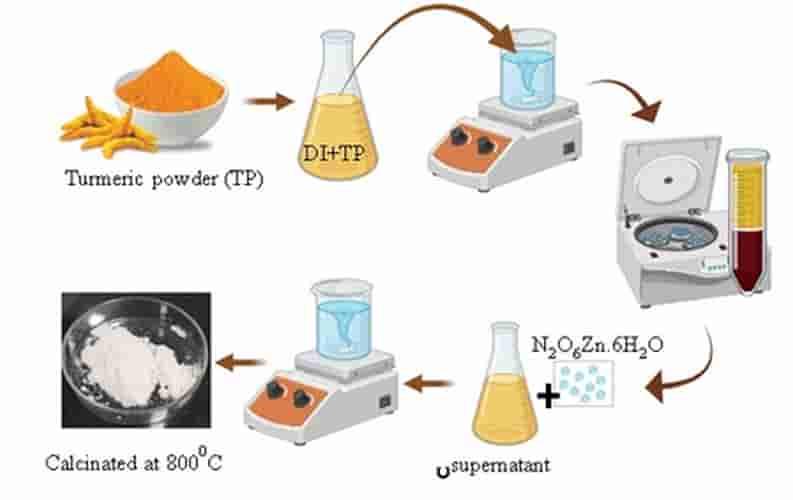
Photo: IANS
Indian scientists have developed an eco-friendly filter combining zinc oxide nanoparticles and biodegradable polylactic acid (PLA) nanofibers to break down harmful dyes in wastewater, offering a potential sustainable solution to industrial water pollution, an official statement said on Tuesday.
The technology was developed by the Institute of Nano Science and Technology (INST), Mohali, an autonomous institute under the Department of Science and Technology, and the findings were published in the journal Advanced Functional Materials (Wiley).
According to the Ministry of Science and Technology, the researchers incorporated zinc oxide nanoparticles into porous PLA nanofibers and combined photocatalysis with piezocatalysis, using light and mechanical vibrations to enhance pollutant degradation.
The team, working in Dr. Aviru Kumar Basu's laboratory, synthesised the zinc oxide nanoparticles using turmeric extract. Naturally occurring compounds, including curcumin, flavonoids and phenolic compounds, acted as reducing and stabilising agents, eliminating the need for conventional synthesis methods involving harmful chemical reagents.
Mechanical vibrations generated piezoelectric polarisation, helping suppress the recombination of light-generated electrons and holes and promoting the formation of reactive species that break down pollutants.
The technology aims to address key limitations of conventional photocatalytic systems, including catalyst recovery, separation from treated water and reduced efficiency due to electron-hole recombination.
Persistent organic dyes, particularly those discharged by the textile industry, pose environmental risks because they can be toxic and resistant to natural degradation. Conventional treatment methods may remove pollutants without destroying them, while biological processes can be slow in treating highly stable dyes.
The researchers also incorporated machine learning into their approach. Further testing under real industrial conditions would be needed to establish the filter's long-term performance and suitability for large-scale wastewater treatment.



© Copyright
Reporter Post.All Rights Reserved |
Powered by: Aptilogic Software |
 |
Page rendered in 0.014 seconds.
|
Page rendered in 0.014 seconds.