Mon, October 12, 2026


Photo: IANS
Prime Minister Narendra Modi on Saturday announced an additional financial assistance of Rs 500 crore for flood-ravaged Kerala, where torrential rains, overflowing rivers and landslides had caused widespread destruction and claimed at least 180 lives.
Modi, who arrived in Kerala from Delhi on Friday night, conducted an aerial assessment of the flood situation, although bad weather prevented the survey from covering all the affected areas.
The Prime Minister had initially been scheduled to undertake a wider aerial survey of the devastation. However, deteriorating weather conditions forced changes to the programme. Modi subsequently chaired a high-level meeting with Kerala Governor P. Sathasivam, Chief Minister Pinarayi Vijayan and senior officials, where he was shown a video presentation detailing the scale of destruction across the state.
The Centre’s fresh assistance of Rs 500 crore was in addition to the Rs 100 crore already announced on August 12. The Prime Minister also assured the state government that additional relief supplies, including foodgrains and medicines, would be provided according to Kerala’s requirements.
According to an official statement, Modi announced an ex-gratia payment of Rs 2 lakh from the Prime Minister’s National Relief Fund (PMNRF) for the families of those who died in the disaster. Those who suffered serious injuries were to receive Rs 50,000 each.
The Centre also directed insurance companies to organise special camps in the affected areas so that damage assessments and compensation payments could be processed quickly. Authorities were also asked to expedite insurance claims under the Pradhan Mantri Fasal Bima Yojana for farmers whose crops had been damaged.
Families whose houses had been completely destroyed were to be given priority under the Pradhan Mantri Awas Yojana-Gramin, providing a pathway for them to rebuild their homes after the disaster.
Modi praised the Kerala government and relief agencies for their efforts in dealing with the unprecedented situation, but stressed that rescuing people still trapped or stranded by floodwaters remained the immediate priority.
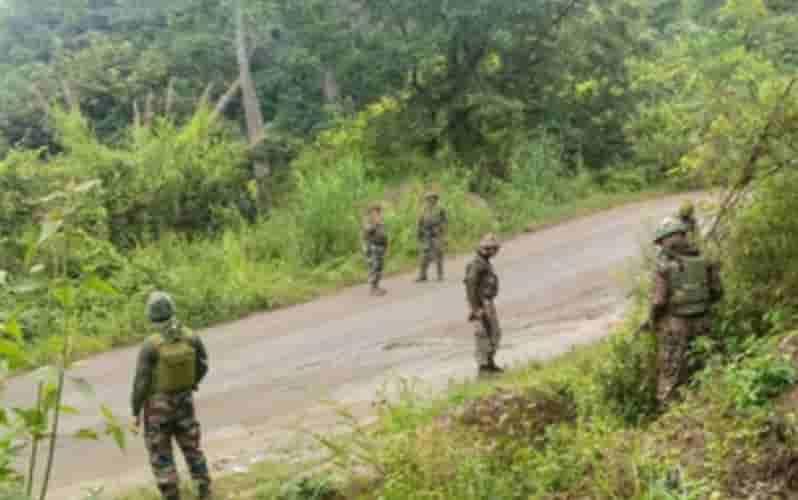
The scale of the disaster had triggered one of the largest coordinated rescue operations in the state’s recent history. The Army, Navy and Air Force were working alongside National Disaster Response Force teams, involving around 1,300 personnel and hundreds of boats.
Around 38 helicopters had been deployed for rescue and relief operations, while 20 aircraft were being used to transport personnel, equipment and essential supplies.
The Army had deployed 10 columns and 10 Engineering Task Force teams, involving around 790 personnel. The Navy had mobilised 82 rescue teams, while the Coast Guard had deployed 42 teams along with two helicopters and two ships.
Five companies of paramilitary personnel were also involved in rescue and relief operations.
Since August 9, nearly 7,000 people had been rescued and around 900 had received medical assistance.
The unprecedented flooding had left more than three lakh people seeking shelter in around 2,000 relief camps across Kerala. With rivers overflowing and landslides cutting off communities, the immediate challenge was to reach people stranded in isolated areas while simultaneously supplying food, medicine and other essentials.
The disaster also underscored the enormous reconstruction challenge ahead, with homes, roads, agricultural land and other infrastructure suffering extensive damage. The Centre’s financial package and coordinated rescue effort were aimed at providing immediate relief while laying the groundwork for the state’s longer-term recovery.



© Copyright
Reporter Post.All Rights Reserved |
Powered by: Aptilogic Software |
 |
Page rendered in 0.0095 seconds.
|
Page rendered in 0.0095 seconds.