Mon, October 12, 2026

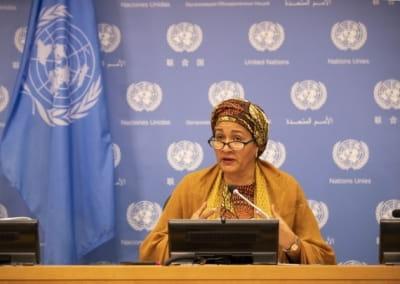
Representational Pic
India made significant progress in reducing multidimensional poverty over the decade from 2005-06 to 2015-16, with Muslims, Scheduled Tribes (STs) and Dalits recording some of the fastest improvements, according to data presented at the United Nations.
The findings are part of the 2018 Multidimensional Poverty Index (MPI), prepared by the UN Development Programme (UNDP) and the Oxford Poverty and Human Development Initiative (OPHI). Unlike conventional poverty measures that focus primarily on income, the MPI examines several aspects of deprivation, including health, education and living standards.
Sabina Alkire, Director of OPHI, described India's progress during the period as a “very positive trend”, particularly because the poorest sections of society were beginning to catch up with other groups.
“The poorest are catching up,” Alkire said while presenting the findings.
Scheduled Tribes remained the poorest social group in India, but they recorded the fastest decline in the intensity of multidimensional poverty. The MPI for ST communities fell from 0.447 in 2006 to 0.229 in 2016. During the same period, the proportion of ST people classified as poor declined from 79.8 per cent to 50 per cent.
Dalits also recorded substantial improvement. Their MPI dropped from 0.338 to 0.145, while the proportion of people living in multidimensional poverty fell from 65 per cent to 32.9 per cent.
Among religious communities, Muslims remained the poorest group but also registered the fastest reduction in MPI. The index for Muslims declined from 0.331 in 2006 to 0.144 in 2016, while their poverty rate fell from 60.3 per cent to 31.1 per cent.
Diego Zavaleta Reyles of OPHI explained that the decline in MPI reflects not only a reduction in the number of people classified as poor but also a fall in the average number of deprivations experienced by those who remained poor.
At the national level, the proportion of Indians living in multidimensional poverty dropped from 54.7 per cent in 2006 to 27.5 per cent in 2016. The national MPI also fell sharply, from 0.279 to 0.121.
In absolute terms, around 271 million people moved out of multidimensional poverty during the decade. The number of people classified as poor under the MPI methodology fell from about 635 million in 2005-06 to 364 million in 2015-16.
Alkire said the scale of the change was particularly encouraging and described it as a shift of “global proportions” taking place in India over a 10-year period.
However, the progress was uneven across the country. Bihar remained India's poorest state, although it was among the states that recorded the fastest reduction in multidimensional poverty. Other high-poverty states, including Jharkhand, Madhya Pradesh, Uttar Pradesh and Chhattisgarh, also registered rapid improvements but continued to have some of the highest poverty levels.
Children remained the poorest age group but also experienced the fastest reduction in MPI, according to the findings.
The improvement is notable because a previous study covering 1998-99 to 2005-06 had not recorded reductions of a similar scale among these disadvantaged groups, Alkire said.
UNDP Administrator Achim Steiner said identifying exactly who the poor are and where they live can help governments design more targeted programmes. Such an approach can reveal deprivation linked to factors including geography, social background and religion and help direct resources towards people facing the greatest disadvantages.
The MPI differs significantly from traditional income-based poverty measurements. While income-based measures can indicate how much money people earn, they do not necessarily capture other hardships that affect everyday life.
The multidimensional approach considers indicators such as nutrition, child mortality, years of schooling, school attendance, access to clean drinking water, sanitation, electricity, housing and other living-standard factors. A person is classified as multidimensionally poor when they experience deprivation in at least one-third of the weighted indicators.
The contrast between the two approaches is significant for India. While an income-based measure estimated that around 270 million Indians were poor, the MPI classified about 364 million people as multidimensionally poor in 2016.
The findings therefore suggest that India's progress in reducing poverty was substantial, but also highlight the importance of looking beyond income to understand the different forms of deprivation that households continue to face.



© Copyright
Reporter Post.All Rights Reserved |
Powered by: Aptilogic Software |
 |
Page rendered in 0.011 seconds.
|
Page rendered in 0.011 seconds.