Sun, October 11, 2026

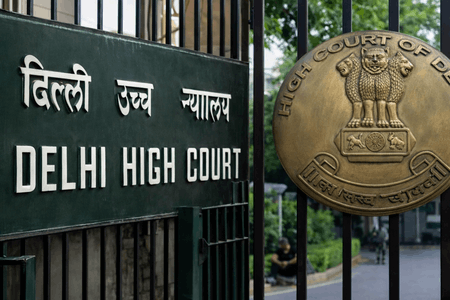
image credit ians
The Delhi High Court on Wednesday declined to intervene in a public interest litigation (PIL) seeking government intervention to ensure that petrol and diesel are sold at what the petitioner described as "reasonable" or "fair" prices.
A bench comprising Chief Justice Rajendra Menon and Justice V. Kameswar Rao said the court could not direct the Central government to determine a fixed "fair price" for fuel, as pricing involved broader economic and policy considerations that fell within the government's domain.
However, the court directed the government to consider an earlier representation submitted on the issue of rising petrol and diesel prices. The matter was listed for further hearing on November 16.
The PIL was filed by Delhi-based designer Pooja Mahajan through her advocate A. Maitri. She had approached the High Court with a similar petition in July, following which the court had directed the Centre to treat it as a representation.
The petitioner has sought directions to the Central government to establish a "fair price" for petrol and diesel under the Essential Commodities Act.
The plea argued that instead of determining fuel prices itself, the government had effectively delegated the responsibility to oil marketing companies. It claimed that such a mechanism was unconstitutional and contrary to the provisions of Section 3(1) of the Essential Commodities Act.
The petitioner further alleged that oil companies had been given excessive freedom to raise fuel prices, allowing consumers to bear the impact of fluctuations in international crude oil prices.
Another issue raised in the petition was the alleged change in fuel pricing during the Karnataka Assembly election campaign. The petitioner claimed that petrol and diesel prices remained unchanged for around 22 days during the election period.
"There is no explanation on the part of government/OMCs why the fuel prices remained static for approximately 22 days during the Karnataka elections," the plea stated, arguing that the episode suggested the government had an indirect influence over fuel prices.
The court's decision leaves fuel pricing primarily within the policy-making domain of the government and oil companies, while requiring the Centre to examine the petitioner's earlier representation on rising prices.
The case also highlights the broader debate over India's fuel-pricing mechanism, particularly the balance between market-linked pricing, international crude oil fluctuations, taxation and consumer affordability.



© Copyright
Reporter Post.All Rights Reserved |
Powered by: Aptilogic Software |
 |
Page rendered in 0.047 seconds.
|
Page rendered in 0.047 seconds.