Sun, October 11, 2026
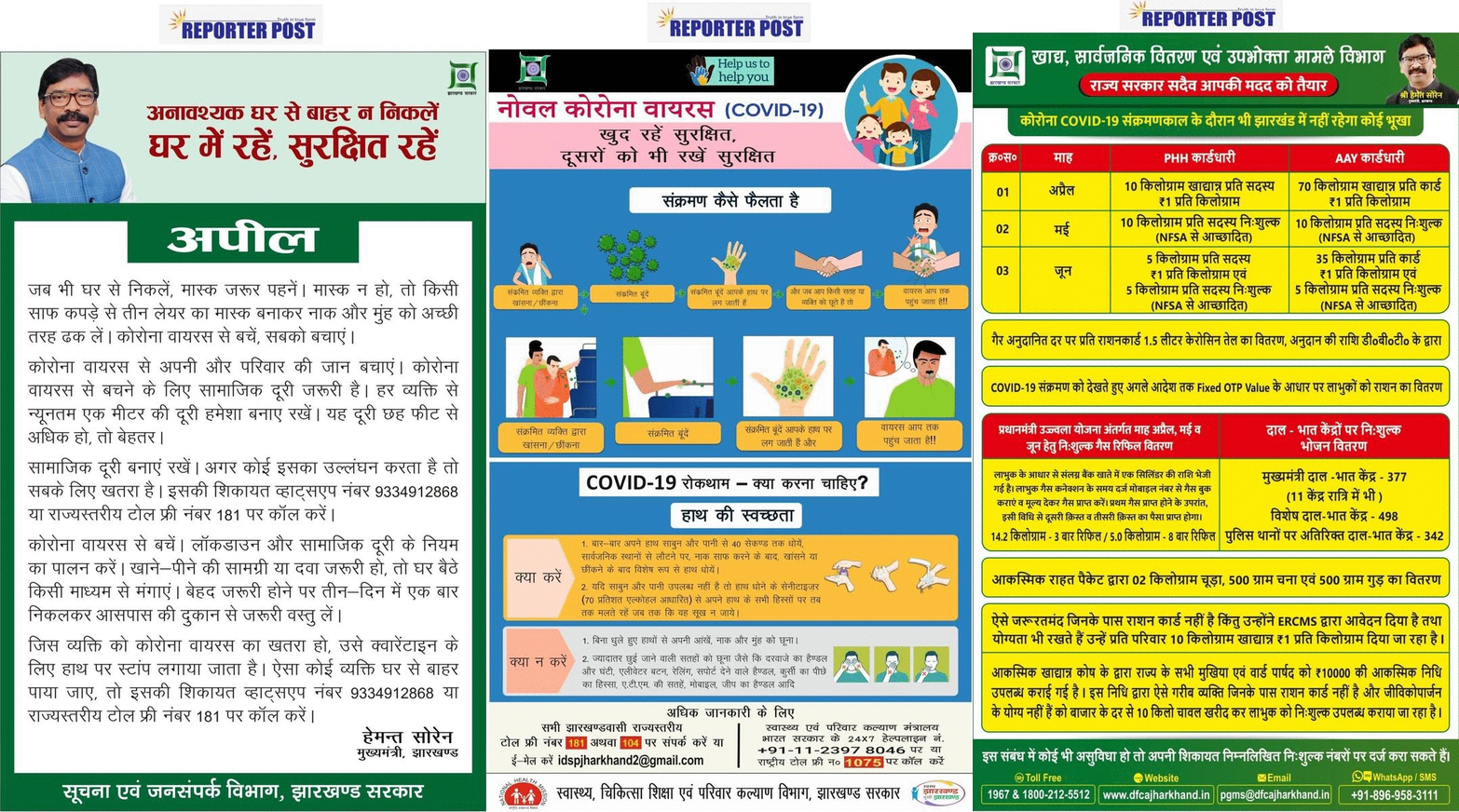
Representational Pic
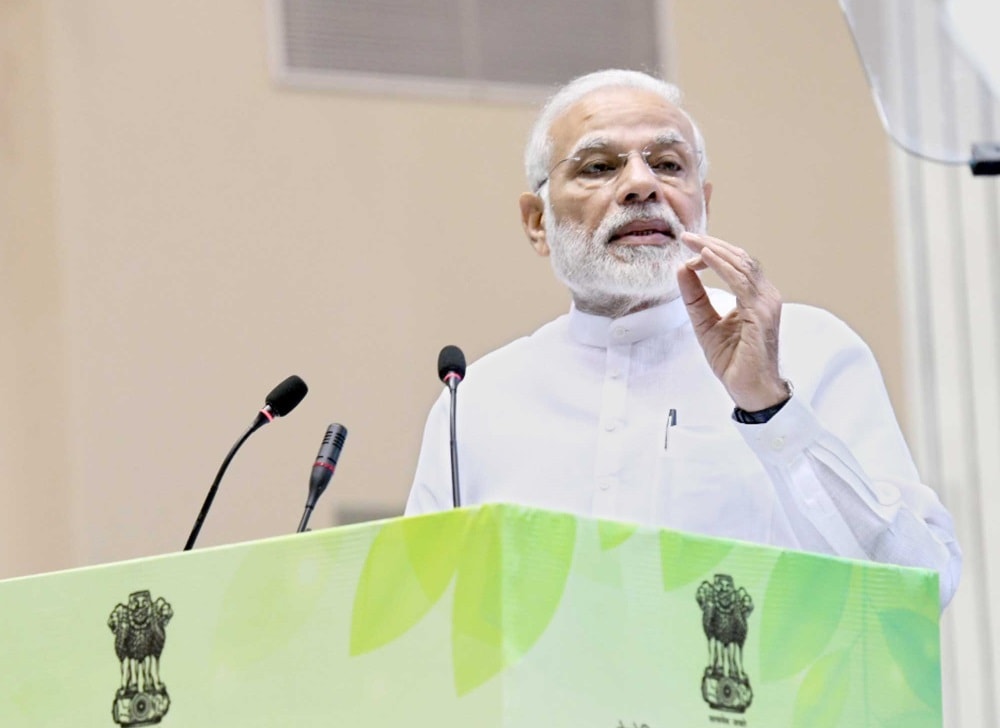
Prime Minister Narendra Modi on Friday said the government would soon introduce a stable policy framework to promote electric vehicles and other automated mobility solutions in India as part of efforts to tackle climate change and improve the quality of urban life.
Addressing the Global Mobility Summit in New Delhi, Modi said India aimed to become a global leader in electric mobility and create an ecosystem covering electric vehicle manufacturing, battery technology and smart charging infrastructure.
“We want to build India as a driver in electric vehicles. We will soon put in place a stable policy regime around electric and other automated vehicles,” he said.
The Prime Minister described clean mobility powered by clean energy as a powerful tool in the fight against climate change, saying a shift towards cleaner transportation could help reduce pollution and improve air quality and living standards.
Modi outlined his vision for India's future mobility around what he called the “7 Cs” — common, connected, convenient, congestion-free, charged, clean and cutting-edge.
He stressed that “charged mobility” would be central to the country's transportation future and said the government wanted to encourage investment across the entire electric vehicle ecosystem, from batteries and charging infrastructure to vehicle manufacturing.
Indian entrepreneurs and manufacturers, he said, were increasingly capable of developing and deploying breakthrough battery technologies, which could become an important part of the country's transition to electric mobility.
The Prime Minister also linked India's mobility transformation with its broader economic growth and infrastructure expansion. He pointed to the development of smart cities, roads, airports, railways and ports, while highlighting the impact of GST on supply chains and warehouse networks.
He said reforms had made India a more business-friendly destination and noted the expansion of access to housing, sanitation, LPG connections, banking and credit. India, he added, was also emerging as a major global hub for start-ups.
According to Modi, mobility is not merely about transportation but is an important driver of economic growth. Efficient mobility can reduce the time and cost involved in moving people and goods while improving productivity.
He called for greater emphasis on common and shared public transport, along with mobility options extending beyond private cars to scooters, auto-rickshaws and vehicle-pooling services. Such alternatives, he said, could help reduce both the economic and environmental costs associated with traffic congestion.
Digital technology is also creating new business models and changing how people access transportation. Modi said convenient mobility should be safe, affordable and accessible to everyone, including women, senior citizens and persons with disabilities.
He urged policymakers to ensure that public transport becomes the preferred alternative to private vehicles and called for the removal of bottlenecks in transportation networks.
“This would result in fewer traffic jams and lower levels of stress for commuters,” he said.
The government's proposed electric vehicle policy, together with investments in batteries, charging infrastructure and cleaner fuels, was expected to play a key role in shaping India's transition towards a more sustainable transportation system.



© Copyright
Reporter Post.All Rights Reserved |
Powered by: Aptilogic Software |
 |
Page rendered in 0.0149 seconds.
|
Page rendered in 0.0149 seconds.