Wed, August 19, 2026

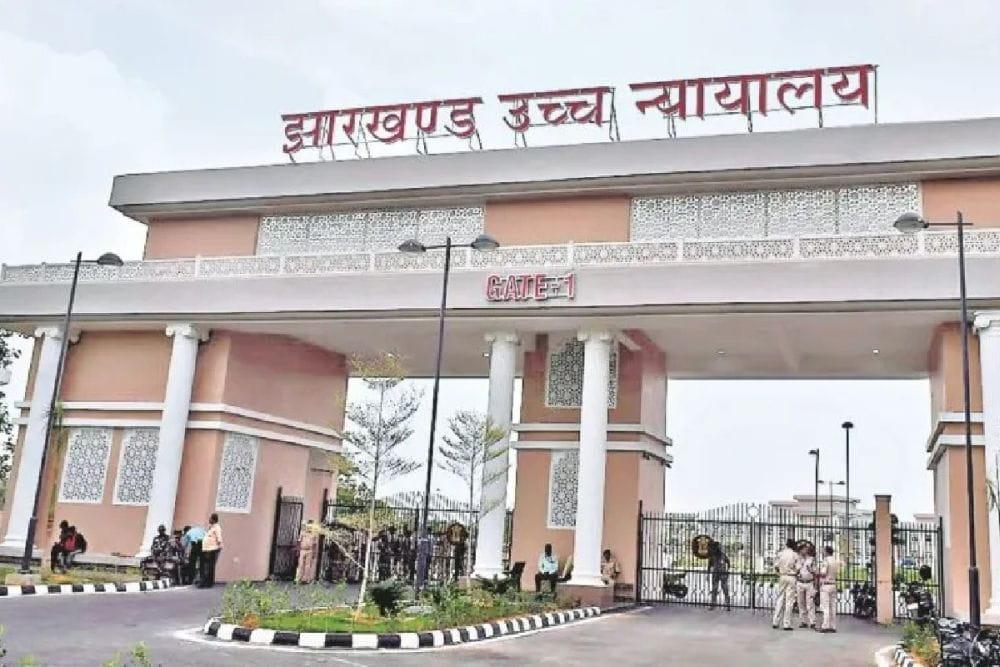
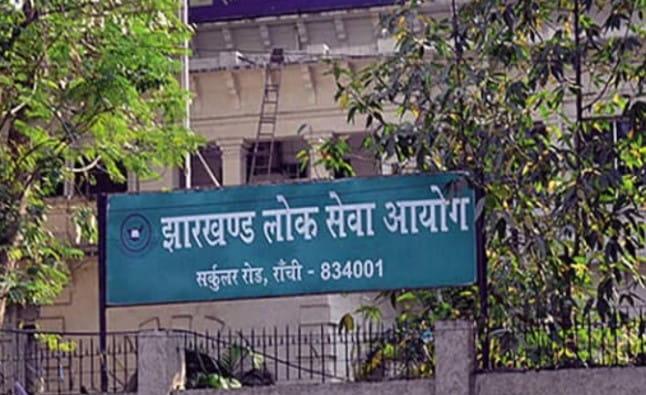
Several officers selected through the 11th to 13th Jharkhand Public Service Commission (JPSC) Combined Civil Services Examination are preparing to approach the Jharkhand High Court against the state government's decision to cancel the examination.
The state Personnel Department announced a major action late Tuesday night based on findings from the CID investigation into alleged irregularities in examinations conducted by the JPSC and the Jharkhand Staff Selection Commission (JSSC). According to the government order, 22 examinations have been cancelled, the process of six examinations has been stayed, and possible irregularities in 17 other examinations will be investigated.
The cancellation order also covers the 11th to 13th JPSC Combined Civil Services Examination, through which a number of candidates were appointed to various government posts.
Following the government's decision, some of the selected officers have started arriving in Ranchi to explore legal options. Sources said some of them had been deployed for duty during the Shravani Mela but left their assignments and travelled to the state capital after learning about the cancellation order.
The selected officers are expected to challenge the notification and seek protection for their appointments. Their primary concern is that cancellation of the entire examination could directly affect both their existing appointments and future service prospects.
## Selected officers question blanket cancellation
The officers' central argument is that the role of the examination agency TDPL was not identical at every stage of the recruitment process. They maintain that any alleged irregularity should be examined separately for each stage instead of automatically invalidating the entire examination.
According to their argument, TDPL had no role in conducting the preliminary examination (PT). The main examination carried 950 marks and, they claim, TDPL had no role in that stage either. TDPL's alleged involvement was limited to the 100-mark interview.
The final merit list was prepared on the basis of a total of 1,050 marks, comprising 950 marks from the main examination and 100 marks from the interview.
The selected officers argue that this distinction is important because many candidates may have secured their position primarily through strong performance in the 950-mark written examination. Even if irregularities are subsequently established at the interview stage, they contend that it would not automatically follow that every candidate who cleared the written stages had benefited from any malpractice.
## Candidates seek assessment of actual impact
The officers are expected to tell the High Court that any alleged irregularity should first be assessed in terms of its actual impact before the government takes a decision affecting thousands of candidates.
They argue that if wrongdoing is established at the interview stage, investigators should determine how many candidates were actually affected and whether the alleged irregularities materially changed the final merit list.
According to them, where TDPL had no role in either the preliminary examination or the 950-mark main examination, cancelling the entire recruitment process solely on the basis of alleged irregularities in the 100-mark interview could be disproportionate.
They are likely to seek an interim order preventing the cancellation notification from adversely affecting their appointments until the court examines the matter.
## A legal battle over examination integrity and individual rights
The issue now puts two competing concerns at the centre of the controversy. On one side is the government's responsibility to ensure that recruitment examinations are free from malpractice and that any compromised process is dealt with firmly. On the other is the question of whether candidates who may have secured their positions through legitimate performance should lose their appointments without an assessment of their individual circumstances.
The selected officers' proposed legal challenge could therefore become significant beyond the 11th to 13th JPSC examination. The High Court may have to examine whether alleged irregularities at one stage of a multi-stage recruitment process are sufficient to invalidate the entire examination or whether the authorities must first establish the extent to which the alleged wrongdoing affected the final results.
For the affected officers, the immediate priority is to prevent the cancellation order from disrupting their careers. For the government, the challenge will test whether its decision to cancel the examination can withstand judicial scrutiny while addressing allegations that have already raised serious questions about the credibility of the state's recruitment system.



© Copyright
Reporter Post.All Rights Reserved |
Powered by: Aptilogic Software |
 |
Page rendered in 0.0783 seconds.
|
Page rendered in 0.0783 seconds.