Thu, October 15, 2026


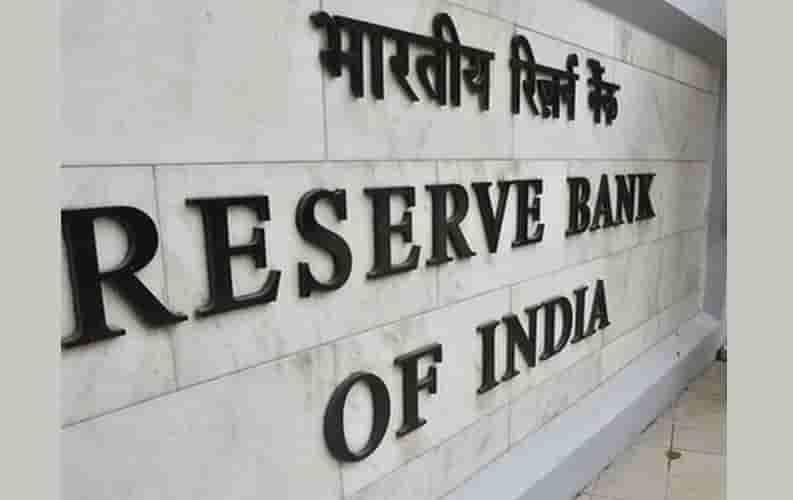
Photo: IANS
India’s strong economic fundamentals, fiscal prudence and substantial reserves have helped it withstand the energy shock triggered by the Iran war, prompting the International Monetary Fund (IMF) to raise its growth forecast for the country to 7 per cent, a senior official said on Thursday.
Krishna Srinivasan, Director of the IMF’s Asia and Pacific Department, said the upward revision from the 6.5 per cent projection made in April reflected stronger-than-expected economic performance in the first quarter of the current fiscal year.
“We've revised up growth because Q1 (first quarter) of this fiscal year came out much stronger than we had anticipated,” Srinivasan said at a news conference in Bangkok, where the IMF is holding its annual meeting.
He said India entered the period of energy market volatility from a position of strength, supported by robust growth, prudent fiscal management and substantial reserves.
“In that context, you know, they have responded well to the shock,” he added.
Srinivasan was also asked about the apparent contrast between India’s strong growth outlook and pressure on the rupee, weakening investment inflows and risks arising from higher crude oil prices.
He said the currency’s performance needed to be viewed in the context of broader global and domestic factors, including international interest rates, investor risk appetite and oil prices.
As a major oil importer, India remains vulnerable to energy price shocks, which can increase import costs and put pressure on its external balances.
However, Srinivasan cautioned against treating the exchange rate as a definitive measure of economic performance, particularly when economies are dealing with multiple external shocks.
“The exchange rate should not be viewed as a barometer of economic success or failure, given the multiplicity of shocks we have seen,” he said.
He also emphasised the importance of allowing the exchange rate to act as a buffer against external pressures, helping the economy adjust to changing global conditions.
Separately, Srinivasan welcomed the changes made this year by the Ministry of Statistics and Programme Implementation (MoSPI) to India’s gross domestic product (GDP) estimation methodology.
He said the revisions were consistent with recommendations made by the IMF, including its statistics department, and represented improvements in the compilation of national accounts.
According to Srinivasan, the changes include rebasing GDP estimates and using the Producer Price Index (PPI) and Index of Industrial Production (IIP) to improve estimates of output on the production side.
“These are welcome developments,” he said, adding that there was always scope for further improvement in statistical methods.
The IMF’s revised growth outlook underscores the resilience of the Indian economy despite uncertainties in global energy markets. At the same time, elevated oil prices and currency pressures remain important risks, given their potential impact on inflation, import costs and investment sentiment.



© Copyright
Reporter Post.All Rights Reserved |
Powered by: Aptilogic Software |
 |
Page rendered in 0.0122 seconds.
|
Page rendered in 0.0122 seconds.