Sun, July 26, 2026

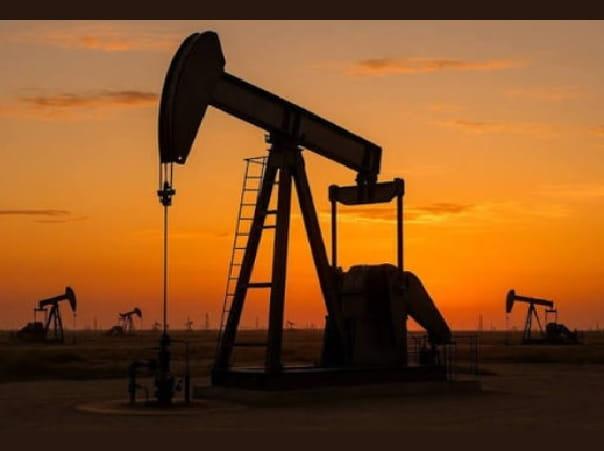
New Delhi: India needs to complement its expanding liquefied natural gas (LNG) import capacity with faster investment in gas transmission and distribution networks, along with key market reforms, to unlock long-term growth in natural gas consumption, according to a report by the International Gas Union (IGU).
The report says that while the country has significantly increased its LNG regasification capacity, inadequate investment in midstream infrastructure has limited the wider use of natural gas. It stresses that reforms in gas pricing, market access and commercial regulations will be essential to drive sustained demand, particularly from gas-intensive industries.
The IGU also warned that the recent Strait of Hormuz crisis underscored India's vulnerability to disruptions in global energy supply chains because of its heavy dependence on LNG and liquefied petroleum gas (LPG) imports from the Gulf region.
Qatar remains India's largest LNG supplier, while a major share of the country's LPG imports also comes from Gulf nations.
According to the report, domestic production currently meets only 50–52 per cent of India's natural gas demand, with the remaining requirement fulfilled through LNG imports from countries such as Qatar, Australia, the United States and Russia.
India's dependence on imported LPG is even greater, with 60–65 per cent of domestic demand being met through overseas supplies despite the country being one of the world's largest LPG consumers.
The report notes that much of these energy imports pass through the Strait of Hormuz, making India vulnerable to geopolitical tensions. The recent conflict involving Iran highlighted the risks associated with relying heavily on this strategically important shipping route.
However, the IGU sees a more positive outlook over the medium to long term if tensions in the Gulf ease. A significant increase in global LNG export capacity expected over the rest of the decade is likely to keep supplies abundant, reduce global LNG prices and make natural gas more affordable for Indian consumers.
The report also says that weaker demand from other Asian markets following the recent price spike could further push down regional LNG benchmark prices, improving the prospects for greater gas consumption in India.
With inputs from IANS




| 14-09-2018 | ||||||
| Sl No. | Parameters | Actual Data(µg/m3) | Standard Limit(µg/m3) |
|---|---|---|---|
| 1 | PM 10 | 64 | 100 |
| 2 | PM 2.5 | 33 | 60 |
| 3 | SO2 | 55.3 | 80 |
| 4 | NO2 | 58.2 | 80 |
| 14-09-2018 | ||||||
| Station | Temperature(degree centigrade) | Rainfall(mm) | Relative humidity(%) | |||
|---|---|---|---|---|---|---|
| Max | Min | Past 24 hrs. | Since 1st March, 2018 | Max | Min | |
| Ranchi | 31.0 | 22.5 | 000.0 | 1010.1 | 95 | 66 |
| Jamshedpur | 34.1 | 26.2 | 000.0 | 1252.8 | 87 | 58 |
| Bokaro | 33.5 | 24.6 | 015.2 | 824.0 | 92 | 79 |
| Daltonganj | 32.6 | 24.9 | 004.2 | 960.9 | 95 | 67 |
© Copyright
Reporter Post.All Rights Reserved |
Powered by: Aptilogic Software |
 |
Page rendered in 0.1153 seconds.
|
Page rendered in 0.1153 seconds.