Tue, October 20, 2026



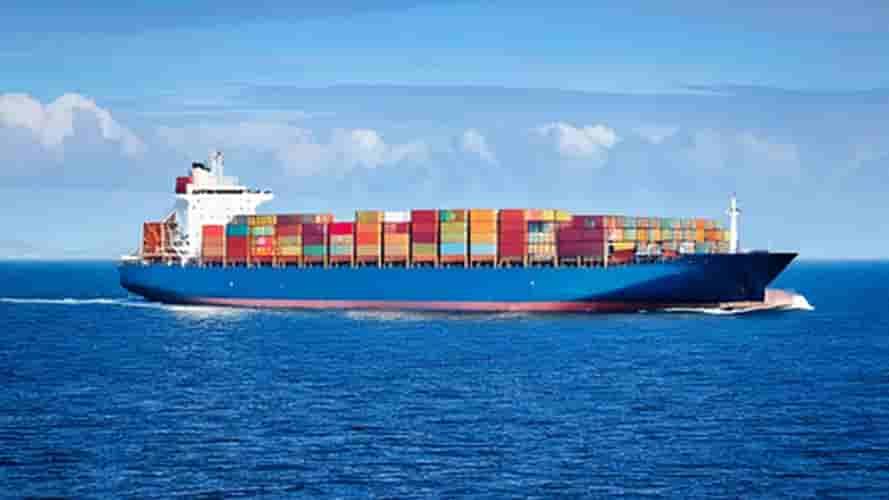
Representational Pic
Union Petroleum Minister Dharmendra Pradhan on Saturday attributed the sharp rise in domestic petrol and diesel prices to the weakening Indian rupee against the US dollar and constraints in global crude oil supplies.
His remarks came as petrol prices in Delhi crossed the Rs 80-per-litre mark, reaching a record high and adding to concerns among consumers and the transport sector.
Speaking on the sidelines of the Global Mobility Summit, Pradhan said India's currency had remained relatively strong against several other major currencies, but the country's dependence on the US dollar for purchasing crude oil was creating pressure on domestic fuel prices.
“Today Indian currency is stronger as ever in comparison to other currencies, but oil… How do we purchase our oil? Through dollars,” the minister said, explaining that the strength of the US dollar was an important factor affecting India's oil import bill.
The rupee was trading at around Rs 71.73 against the US dollar on Friday, weakening by 73 paise from the previous week's close of Rs 71. The dollar's strength had also put pressure on several currencies globally amid concerns over international trade and financial instability in emerging markets.
Pradhan also pointed to supply-side difficulties in the international crude oil market. He said the Organisation of Petroleum Exporting Countries (OPEC) had committed to increasing oil production from July 1, 2018, but supply had not risen as expected because of internal problems in some member countries.
India imports a large share of its crude oil requirements, making domestic fuel prices particularly sensitive to movements in international crude prices and the exchange rate. A weaker rupee means Indian refiners need to spend more in rupee terms to purchase the same quantity of crude.
The minister said the government was also working to reduce India's dependence on conventional petroleum fuels by encouraging alternative sources of energy.
He highlighted efforts to increase ethanol and biogas production and promote cleaner fuels such as compressed natural gas (CNG), liquefied natural gas (LNG) and bio-CNG for transportation.
The government is aiming to significantly expand the country's CNG network, with plans for around 10,000 CNG stations over the next decade, potentially covering more than half of the country.
Pradhan also said public sector oil companies and private firms were working to develop LNG distribution infrastructure for long-distance transportation, particularly for heavy commercial vehicles.
The government is increasingly looking at alternative fuels not only to address pollution concerns but also to reduce India's exposure to fluctuations in global crude oil prices and currency movements.




© Copyright
Reporter Post.All Rights Reserved |
Powered by: Aptilogic Software |
 |
Page rendered in 0.008 seconds.
|
Page rendered in 0.008 seconds.