Mon, October 26, 2026

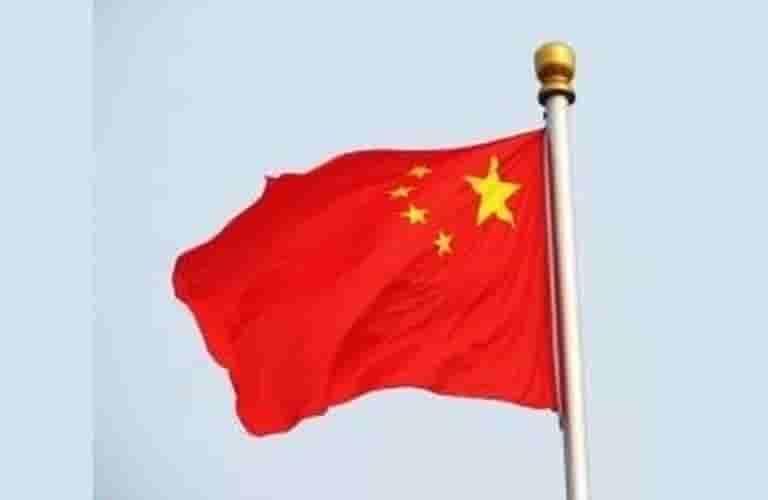
Photo: IANS
China is facing growing challenges from uncertainty over political succession, a structural economic slowdown and weakening government revenue, according to a report published by London-based publication *Tomorrow’s Affairs*.
The report argues that President Xi Jinping’s consolidation of power and the removal of potential rivals from positions of influence could create risks for China’s political stability when the time comes for a leadership transition.
It claims that changes across the country’s state, Communist Party, provincial and military leadership have generated resentment among some former officials, who could become a source of instability during a future succession. The publication also draws parallels with periods in Chinese history when apparent stability was followed by political turmoil.
Ageing Population and Property Slump Add to Economic Challenges
China’s economic outlook faces additional pressure from an ageing population, a prolonged property market downturn and potential trade barriers in major export markets, particularly the United States and Europe.
The report also highlights a decline in tax revenue relative to the size of the economy. Excluding social insurance contributions, tax revenue fell from 18.4 per cent of gross domestic product in 2012 to 12.6 per cent in 2025, according to the publication.
It argues that China’s historical reliance on non-tax revenue has left the government vulnerable when alternative sources of income weaken.
The publication compares this pattern with developments during the Ming and Qing dynasties, arguing that difficulties in raising sufficient revenue through direct taxation contributed to fiscal constraints in earlier periods of Chinese history.
“China has never managed to raise sufficient sums of money via personal income taxation, even during a period of extraordinary economic vibrancy,” the report said.
Fiscal Constraints Could Test China’s Development Model
According to the report, a continued decline in non-tax revenue could limit the government’s financial flexibility and constrain its ability to exercise authority domestically and project influence abroad.
It further argues that the combination of economic pressures and fiscal weaknesses could test China’s existing development model and the relationship between the state and its citizens.
That relationship has been shaped, in part, by an implicit bargain in which political restrictions have been accompanied by expectations of stability and material prosperity, the publication noted.
The report warns that if economic growth slows and the government struggles to maintain public revenue, that arrangement could come under increasing pressure.
However, the publication’s assessment represents a warning about potential risks rather than confirmation of an imminent political or economic collapse. The scale of these challenges and their long-term consequences will depend on how China responds to its fiscal, demographic and economic pressures.



© Copyright
Reporter Post.All Rights Reserved |
Powered by: Aptilogic Software |
 |
Page rendered in 0.0109 seconds.