Wed, October 21, 2026

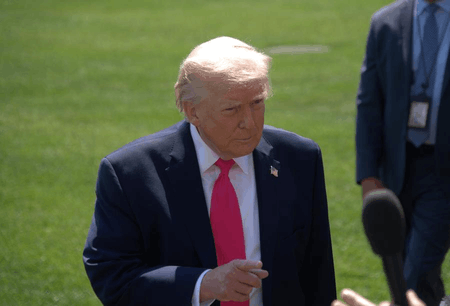
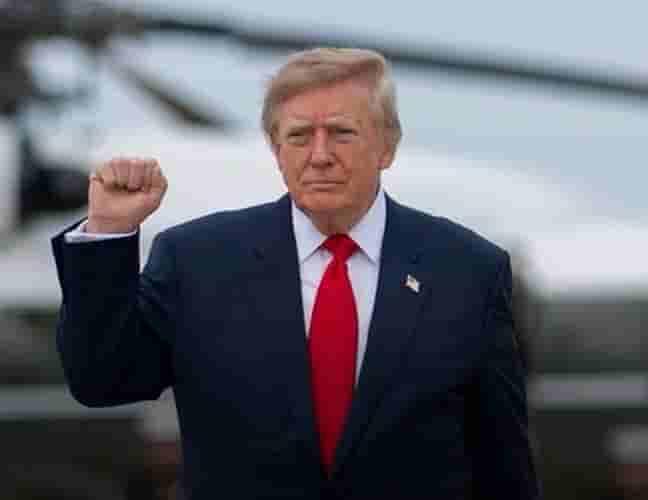
New York — Donald Trump has announced an indefinite extension of the ceasefire with Iran, just hours before it was set to expire, despite Tehran refusing to participate in a second round of negotiations.
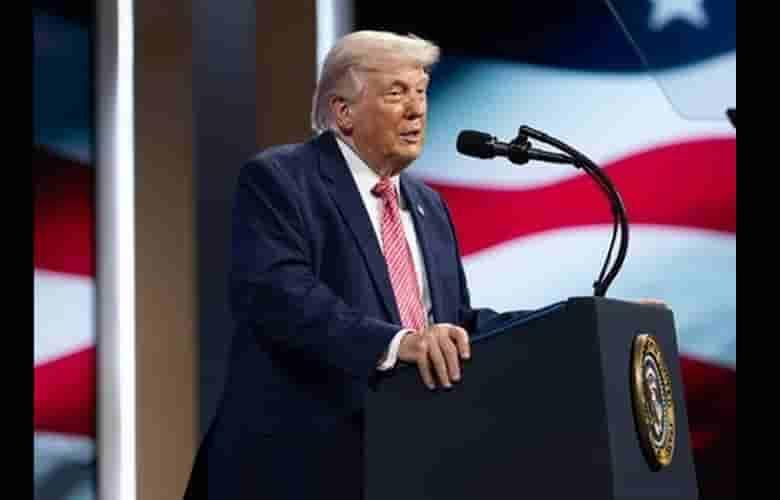
In a post on Truth Social, Trump said the decision was taken because Iran’s leadership is “seriously fractured,” giving it more time to present a unified stance. The move came shortly after he had warned in an interview that failure to reach a deal could lead to renewed military action.
While extending the ceasefire, Trump confirmed that the US would continue its naval blockade of Iranian ports—one of the key reasons cited for Iran’s refusal to attend talks that were expected to take place in Islamabad.
The ongoing standoff continues to impact global energy flows, particularly through the Strait of Hormuz, a critical route that carries around 20 per cent of the world’s oil and gas supplies. Although the ceasefire offers some temporary relief, there is no immediate sign of restrictions being lifted.
Iranian state media reiterated that Tehran would not return to negotiations under pressure, insisting on the removal of the naval blockade as a precondition. Reports also indicated that Iran had conveyed through Pakistani intermediaries that it would not attend the scheduled talks.
Attaullah Tarar confirmed Iran’s absence, while US Vice President J.D. Vance reportedly delayed his planned visit to Pakistan amid uncertainty over the talks.
Trump also referenced appeals from Pakistan’s leadership, including Prime Minister Shehbaz Sharif and Army Chief Asim Munir, as a factor behind his decision to hold off on military escalation.
The US has been pushing for a sweeping deal that would require Iran to abandon its nuclear ambitions, surrender enriched uranium stockpiles, and halt its missile programme—terms widely seen as unacceptable by Tehran, especially after recent military confrontations with Israel and the US.
Control over the Strait of Hormuz remains central to Iran’s strategic calculations. Iranian authorities have warned that the waterway will remain restricted as long as the blockade continues, even threatening to break it by force if necessary.
Internally, Iran appears divided, with hardline elements, including the Islamic Revolutionary Guard Corps, exerting significant influence. Senior leaders have issued counter-threats, signalling readiness for further escalation.
The situation remains fluid, with both sides testing each other’s resolve. In the US, Trump faces growing domestic pressure amid declining public support for the conflict and an approaching midterm election, while Iran’s leadership appears prepared to endure prolonged tensions.
With inputs from IANS




© Copyright
Reporter Post.All Rights Reserved |
Powered by: Aptilogic Software |
 |
Page rendered in 0.0203 seconds.
|
Page rendered in 0.0203 seconds.