Wed, October 14, 2026
New Delhi: Relations between India and Bangladesh appear set for recalibration following the sweeping electoral victory of the Bangladesh Nationalist Party (BNP). Prime Minister Narendra Modi was among the first global leaders to congratulate BNP leader Tarique Rahman on his win.
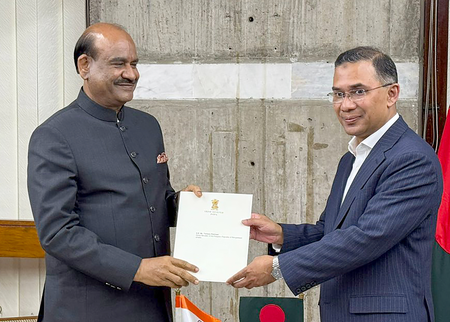
In a diplomatic gesture underscoring India’s intent to rebuild ties, PM Modi sent a letter to Rahman through Om Birla, who attended the swearing-in ceremony. India also reached out to the country’s second-largest political force, Bangladesh Jamaat-e-Islami. Foreign Secretary Vikram Misri conveyed India’s greetings to Jamaat chief Shafiqur Rahman and reiterated New Delhi’s continued support for Bangladesh.
According to officials, bilateral ties had deteriorated following the ouster of former Prime Minister Sheikh Hasina. Relations reportedly worsened further during the interim administration led by Muhammad Yunus. Against this backdrop, India is now seeking a fresh start, recognising Bangladesh’s strategic importance in trade and regional security.
India views the BNP as a relatively moderate political actor and is optimistic about working closely with the new leadership in Dhaka. Bilateral trade between the two countries stands at approximately $10 billion annually, making stable relations economically significant for both sides.
Officials also indicated that the protection of minority communities, particularly Hindus in Bangladesh, will remain a priority in diplomatic engagements. Concerns have been raised about instances of violence and detentions in recent months. New Delhi is expected to seek assurances regarding the safety of minorities and the restoration of damaged temples.
From a security standpoint, Indian agencies are maintaining heightened vigilance over potential destabilising efforts by Pakistan’s Inter-Services Intelligence (ISI). Intelligence inputs suggest increased financial support from the ISI to groups such as the Rohingya Solidarity Organisation (RSO) and the Arakan Rohingya Salvation Army (ARSA). There are also concerns about attempts to link these outfits with extremist organisations including Al-Qaeda in the Indian Subcontinent (AQIS) and Jamaat-ul-Mujahideen Bangladesh (JMB).
Intelligence officials warn that radicalisation camps near border areas, reportedly housing Rohingya refugees, could become recruitment grounds if not carefully monitored. Both India and Bangladesh share an interest in preventing their territories from being used for cross-border terrorism.
Analysts note that Pakistan is closely observing India’s renewed outreach to Dhaka. There are apprehensions that Islamabad may attempt to undermine improving bilateral ties. Should the BNP leadership resist external pressures, destabilising tactics could be employed to strain the new government, particularly as it grapples with domestic economic and internal security challenges.
Observers suggest that while the BNP’s victory offers a constructive opening for India-Bangladesh relations, progress will require calibrated diplomacy. Given the regional security dynamics and the potential for external interference, New Delhi is expected to proceed cautiously to ensure a durable and comprehensive restoration of ties with Dhaka.
With inputs from IANS



© Copyright
Reporter Post.All Rights Reserved |
Powered by: Aptilogic Software |
 |
Page rendered in 0.0135 seconds.
|
Page rendered in 0.0135 seconds.