Sun, November 15, 2026


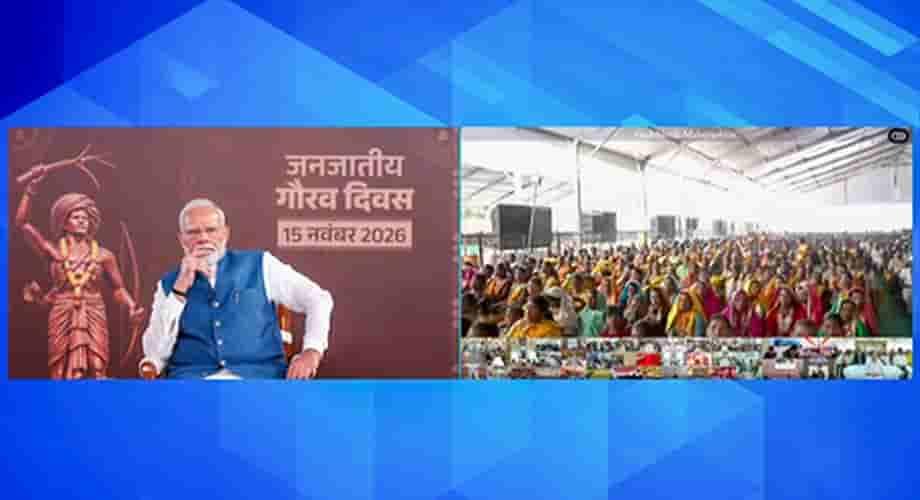
Photo: IANS
New Delhi: Prime Minister Narendra Modi on Sunday accused previous governments of neglecting tribal communities affected by Maoist violence, alleging that they remained silent as extremists deprived people of their basic rights and targeted innocent villagers.
Virtually addressing the Janjatiya Gaurav Diwas programme organised in Gadchiroli, Maharashtra, Modi highlighted the country's progress in tackling Maoism and said tribal communities, particularly women, were now expressing their gratitude for the improved security situation.
The Prime Minister said the occasion coincided with two significant national achievements: nearly 50 crore people coming out of extreme poverty and the country's progress towards ending Naxalism and Maoist violence.
"Both these achievements are deeply connected to the lives of our tribal brothers and sisters," he said.
Recalling the situation in 2014, Modi said nearly 125 districts across the country were affected by Maoism, with hundreds of violent incidents reported every year. Thousands of innocent people, many of them from tribal communities, lost their lives during this period.
He alleged that successive governments had failed to protect those affected by Maoist violence, allowing extremists to deprive tribal people of their rights while the authorities remained silent.
"Their rights were snatched away, and everybody remained silent," he said, adding that tribal residents were even prevented from exercising their voting rights in some areas.
Contrasting the situation with the present, Modi said Maoist groups had subjected tribal families to severe hardships, including taking children away from their mothers and targeting young women.
"However, today, when Naxalism-Maoism has been eliminated, mothers and sisters in the tribal community are giving us their blessings," he said.
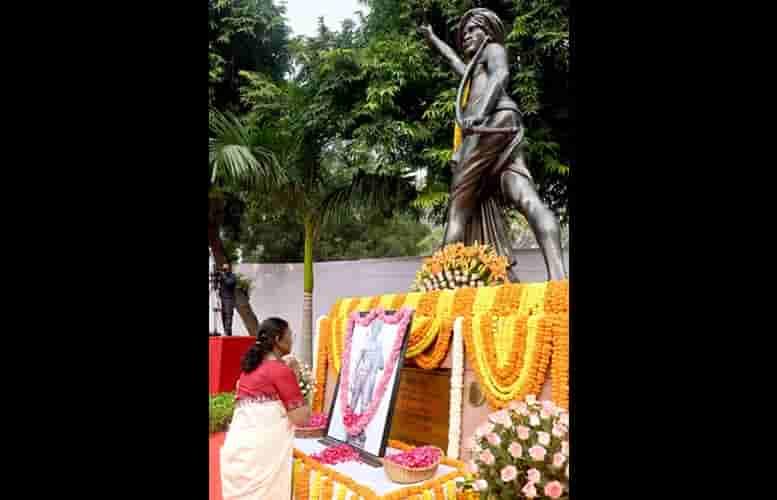
The Prime Minister also highlighted the growing role of tribal communities in India's development and pointed to President Droupadi Murmu as an example of their increasing representation in national leadership.
"The country is also being led by a daughter of the tribal community. We are all proud of President Droupadi Murmu," he said.
Referring to a recent World Bank report, Modi said nearly 50 crore people in India had moved out of extreme poverty over the past 12-13 years, describing it as one of the country's major achievements since Independence.
He credited various Central government welfare schemes with contributing to this transformation and said the large-scale reduction in extreme poverty reflected a significant change in people's lives.
Modi said the government had also prioritised regions that had remained underdeveloped for decades. A focused development campaign covering more than 100 Aspirational Districts and over 500 Aspirational Blocks was launched to improve infrastructure, access to essential services and protection of citizens' rights.
He noted that several of these regions have substantial tribal populations and said the PM-JANMAN scheme was playing an important role in improving their living conditions.
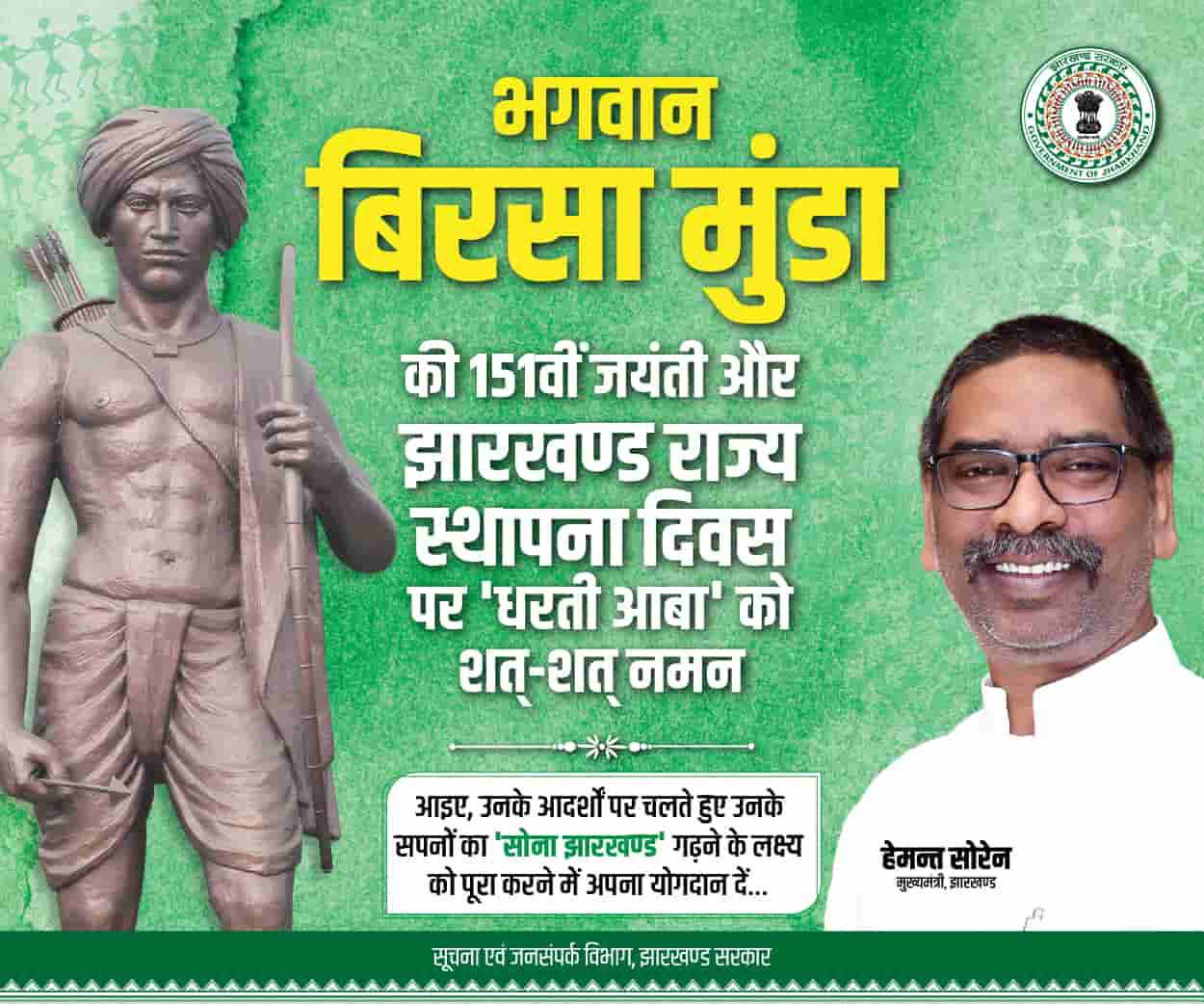
Concluding his address, the Prime Minister urged people to draw inspiration from Bhagwan Birsa Munda and work towards building a developed India.
He also extended his greetings on Janjatiya Gaurav Diwas, observed in honour of the tribal freedom fighter Birsa Munda, whose birth anniversary falls on November 15.


© Copyright
Reporter Post.All Rights Reserved |
Powered by: Aptilogic Software |
 |
Page rendered in 0.0082 seconds.