Fri, October 23, 2026
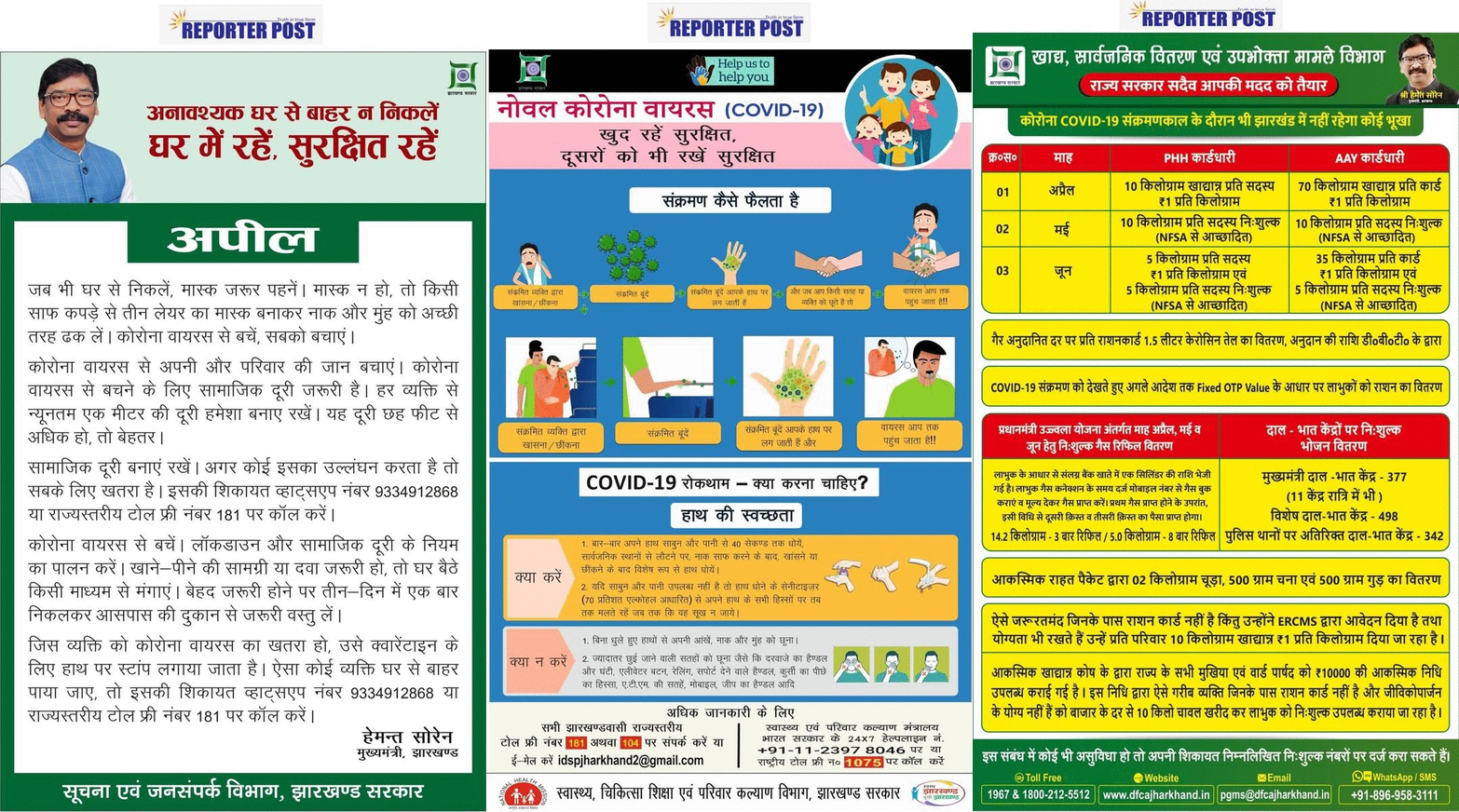
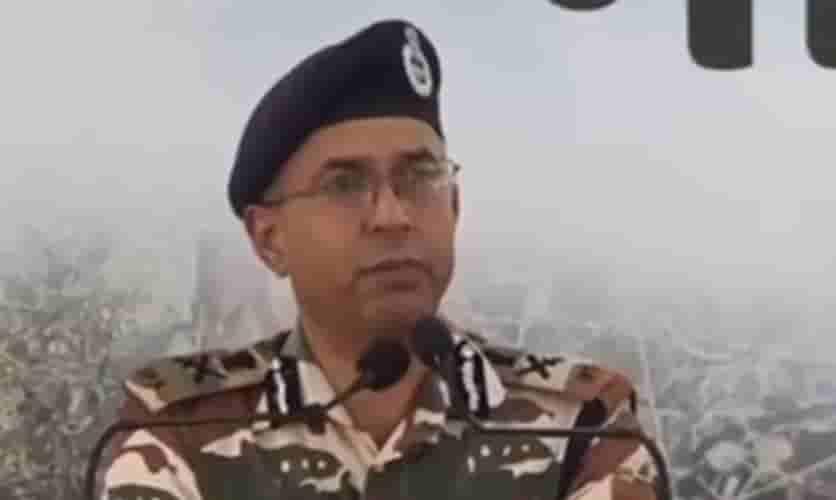
Photo: IANS
Amid the stir caused by ITBP Director General Shatrujeet Kapur’s recent comments on the China border, sources clarified on Friday that the remarks were made in the context of routine operational preparedness and force deployment, and were not linked to any specific incident.
According to the sources, the Indo-Tibetan Border Police, which guards India’s frontier with China, functions in accordance with government policies, instructions issued under different circumstances, and established standard operating procedures. The force may issue an official statement on the matter soon.
On Thursday, Kapur had told ITBP personnel at a base in Rajasthan’s Alwar that face-offs with Chinese troops had taken place at several locations along the border in Arunachal Pradesh in recent days and that the situation was continuing.
“In the past few days, a situation arose where face-offs happened at several locations in Arunachal Pradesh, and it still continues,” he said.
The ITBP chief, who is due to retire at the end of this month, also spoke about the newly formed combat unit, the Shaurya Commandos. He said the personnel had demonstrated their capabilities during the ongoing face-offs with Chinese PLA troops at multiple locations in Arunachal Pradesh, and that the commandos would be deployed in every border battalion to give the force enhanced operational capability and a distinct identity.
The ITBP, raised in 1962, is responsible for securing the 3,488-km-long Line of Actual Control between India and China. It plays a key role in maintaining security along the Himalayan frontier, where difficult terrain and extreme weather conditions pose major operational challenges.
Kapur’s comments come at a time when India and China continue efforts to stabilise bilateral relations after years of military tensions along the LAC. Last month, Chief of Defence Staff General N.S. Raja Subramani said at the NDTV Defence Summit that the situation along the border was stable and there was no cause for concern.
External Affairs Minister S. Jaishankar also stressed last week that maintaining peace and tranquillity in the border areas remains essential for normalising relations between the two countries, cautioning that any disruption along the frontier would have consequences for bilateral ties.
India and China have been working to rebuild ties after reaching an understanding in October 2024 to resolve the military standoff in eastern Ladakh, which had lasted more than four years. Chinese President Xi Jinping visited India on September 12-13 to attend the BRICS Summit — his first visit to the country in seven years — and held bilateral talks with Prime Minister Narendra Modi.




© Copyright
Reporter Post.All Rights Reserved |
Powered by: Aptilogic Software |
 |
Page rendered in 0.0072 seconds.