Fri, October 23, 2026
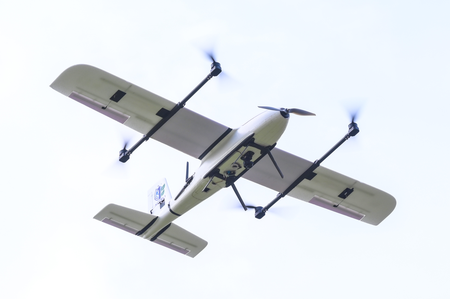
New Delhi: India’s drone ecosystem is expanding rapidly, with the number of registered drones in the country surpassing 38,500. Additionally, the country now has 39,890 certified remote pilots as of February 2026, according to official data released on Tuesday.
More than 240 approved training organisations have been established to develop skilled professionals for drone operation and maintenance. Certification of remote pilots is regulated by the Directorate General of Civil Aviation, ensuring standardised training and operational safety.
Officials stated that the increasing adoption of drones indicates the growth of a robust ecosystem that includes manufacturers, software and component developers, service providers, training institutes, certified pilots, start-ups, research bodies, and digital regulatory platforms operating within a unified framework.
Drones are now being widely used in key sectors such as agriculture, land and property surveys, infrastructure monitoring, disaster management, and public service delivery. Their deployment is helping improve efficiency, transparency, and accuracy in governance.
Under the SVAMITVA scheme, drones have been used to survey 3.28 lakh villages. As a result, 2.76 crore property cards have been prepared across 1.82 lakh villages spanning 31 states, significantly strengthening rural property ownership records.
India’s drone sector has evolved from experimental pilot projects into a mainstream innovation-driven industry, supported by progressive policies, regulatory reforms, and targeted financial incentives. Government initiatives promoting women-led entrepreneurship, rural accessibility, and domestic manufacturing have further accelerated the sector’s growth.
According to official data, 1,094 drones have been distributed to women self-help groups, including more than 500 provided under the Namo Drone Didi initiative. This has helped boost agricultural productivity and improve livelihood opportunities for women.
Looking ahead, the expansion of indigenous manufacturing, skill development for drone pilots, and integration with state and central government programmes are expected to strengthen the country’s use of drones for socio-economic development, infrastructure monitoring, and national security. Drones are also being deployed for monitoring railway and highway networks across the country.
With continued government support through budget allocations, innovation grants, and strategic deployment plans, India is positioning itself as a global leader in unmanned aerial systems while balancing commercial growth, technological self-reliance, and inclusive development.
With inputs from IANS



© Copyright
Reporter Post.All Rights Reserved |
Powered by: Aptilogic Software |
 |
Page rendered in 0.0104 seconds.
|
Page rendered in 0.0104 seconds.