Thu, October 22, 2026

New Delhi - The surge in Nipah virus cases in West Bengal, which has risen to five within a week, underscores the dangers of human intrusion into animal habitats, health experts warned on Friday.
The first two patients—a male nurse from Purba Medinipur and a female nurse from Mongolkot in Purba Bardhaman, both employed at a private hospital in Barasat, North 24 Parganas—remain in intensive care. The three newly identified cases, including a doctor, a nurse, and a healthcare staff member, have been admitted to the Infectious Diseases Hospital in Beleghata.
Following confirmation of the outbreak earlier this week, the West Bengal government has placed around 100 people under home quarantine, with nearly 30 individuals under close medical surveillance.
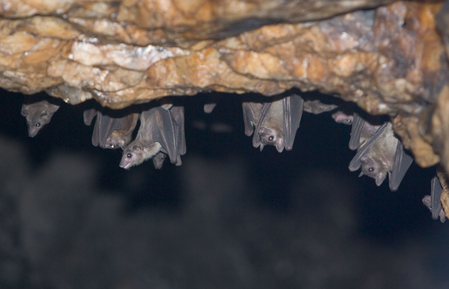
Experts attribute the emergence of Nipah virus (NiV) largely to human encroachment into animal habitats through deforestation and intensive agricultural practices. Such disruptions force fruit bats—the natural reservoir of the virus—into closer proximity with human settlements and domestic animals, increasing the risk of viral spillover.
While the precise route of transmission to humans is not fully understood, experts suggest that consumption of fruits contaminated by bats or drinking raw date palm sap are likely pathways.
“Nipah virus circulates naturally in certain bat species. Human infection is rare and occurs due to accidental spillover at the human-bat interface, a classic zoonosis,” said Rajeev Jayadevan, former president of IMA Cochin and convener of the Research Cell, Kerala. “This is more likely in rural or forest-adjacent regions where farming practices increase contact between humans and fruit bats.”
Dr Ishwar Gilada, Secretary General of the People’s Health Organisation (PHO), added that intrusion into animal domains, consumption of bat-contaminated date palm sap (toddy or tadi), and eating partially eaten fruits discarded by bats could be contributing factors to the current outbreak.
Addressing concerns over whether Nipah could escalate into a pandemic, experts said the risk remains low. Although limited human-to-human transmission is possible, the virus does not currently exhibit pandemic potential.
“Nipah is primarily a zoonotic infection that can spread from animals to humans and, in some cases, between humans through close contact,” Gilada noted. The virus spreads via saliva, urine, and other bodily fluids, with droplet transmission possible among close contacts, particularly if the patient develops coughing or vomiting.
Universal precautions—such as the use of masks, gloves, and strict infection control practices—can significantly reduce transmission risks.
“Theoretically, any zoonotic disease capable of human-to-human transmission could cause an epidemic or pandemic. However, since its first outbreak in Malaysia in 1998, Nipah has not done so,” Gilada said.
With no proven antiviral treatment or human vaccine available, experts stressed that early detection and rapid containment are critical.
“Given Nipah’s high mortality rate, swift action is essential. Systematic contact tracing, close monitoring, and isolation of contacts are key to arresting the spread,” Jayadevan said, warning that delayed diagnosis could complicate containment efforts.
Public awareness is equally vital, particularly regarding avoidance of bat contact.
“Attempts to trap or drive away bats can be counterproductive and may actually increase spillover risk. Bats travel long distances daily, so such measures are ineffective,” Jayadevan cautioned.
Gilada urged the public to respect animal habitats and follow preventive measures.
“Avoid consuming bats, raw or half-eaten fruits, and toddy. Follow strict infection control measures—sanitisation, mask use, and distancing from infected individuals,” he advised.
Healthcare systems must also remain vigilant.
“Early symptoms can mimic other viral infections. Patients with signs of viral encephalitis or pneumonia in Nipah-prone areas, especially those with seizures, confusion, or coma, must be evaluated promptly,” Jayadevan added.
— IANS



© Copyright
Reporter Post.All Rights Reserved |
Powered by: Aptilogic Software |
 |
Page rendered in 0.0189 seconds.
|
Page rendered in 0.0189 seconds.